


For many travelers, the words “Spanish islands” bring to mind turquoise coves, whitewashed villages and winter-sun escapes. Yet the two main archipelagos off Spain’s coast, the Balearic and Canary Islands, feel like different worlds. Choosing the right island for a first visit can make the difference between a relaxed beach break and a trip that feels too crowded, too expensive or simply not your style. This guide compares the main islands, explains how to get there and around, outlines typical costs, and offers practical advice to help first-time visitors pick the Spanish island that fits them best.
Balearic Islands vs Canary Islands: What First-Timers Should Know
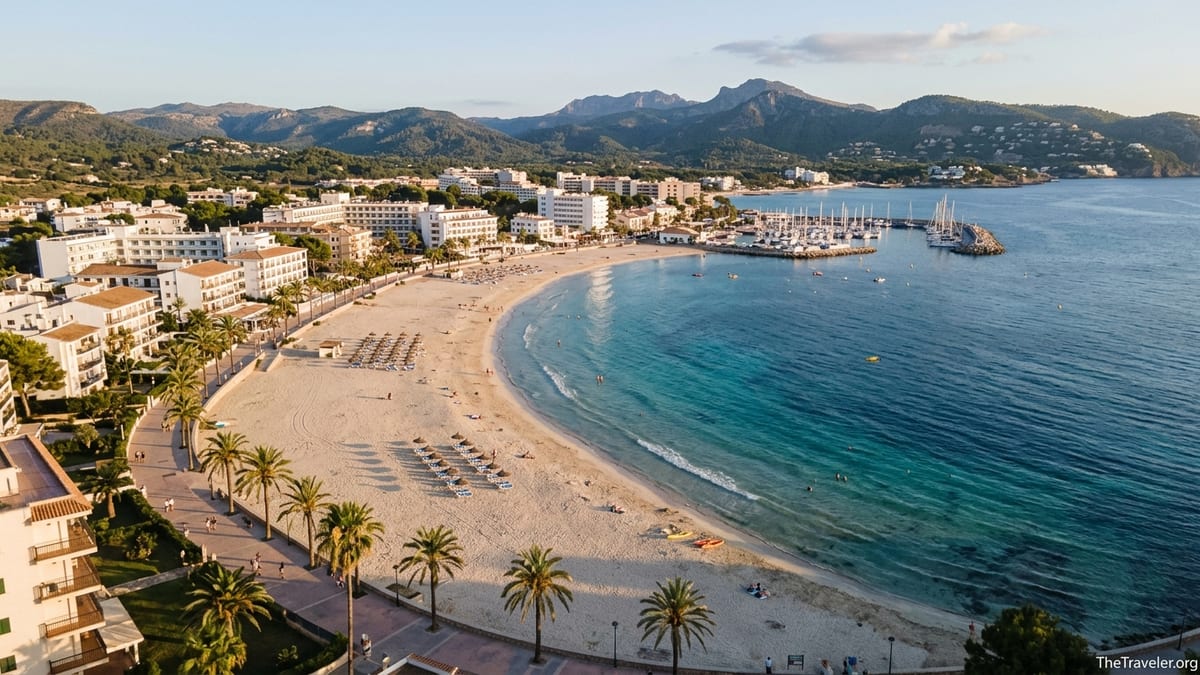
The Balearic Islands sit in the Mediterranean, a short flight from Barcelona or Madrid, and include Mallorca, Menorca, Ibiza and Formentera. In summer they are classic European beach-holiday territory, with warm seas, busy resort towns and a long history of package tourism. A first-timer might land at Palma de Mallorca, check into a seafront hotel in Palmanova or Alcúdia, and spend days between the pool, sandy beaches and tapas bars, perhaps taking a boat trip to hidden coves along the coast.
The Canary Islands lie far to the southwest, off the coast of northwestern Africa. Tenerife, Gran Canaria, Lanzarote and Fuerteventura are the best known, with smaller islands like La Palma and La Gomera drawing hikers and nature lovers. The climate is famously mild year-round, with average daytime temperatures often in the low 70s Fahrenheit in winter and high 70s to low 80s in summer, so first-time visitors commonly use the Canaries as a winter-sun escape when much of Europe is cold and gray.
In practical terms, the Balearics are better for a short break from mainland Europe between May and October, while the Canary Islands work almost any month of the year. A long weekend in Ibiza from London or Berlin is straightforward, but travelers from North America often find it simpler to pair a mainland Spain trip with a week in Tenerife or Gran Canaria during late fall or early spring, when flight prices to the Canaries are relatively stable and hotel rates are lower than midsummer peaks in the Balearics.
Budget also plays a role. In recent seasons, hotel industry reports have noted strong price growth in Balearic hotspots like Ibiza and parts of Mallorca, where average hotel rates have pushed well above the Spanish national average. By contrast, the Canary Islands still offer many midrange resorts and self-catering apartments at more moderate prices, especially outside Christmas, New Year and Easter school holidays, which makes them attractive to cost-conscious first-timers.
Major Islands and Who They Suit
Mallorca is the largest Balearic island and the most versatile choice for a first visit. Families favor the sweeping bay at Alcúdia and Port d’Alcúdia, with long, shallow sandy beaches and a cluster of family-oriented hotels. Couples and active travelers might stay in Port de Sóller for mountain scenery and coastal hikes into the Serra de Tramuntana, while nightlife seekers traditionally gravitate to Magaluf or the livelier corners of Palmanova. A first-time visitor who wants a bit of everything can base in Palma, combining city culture with day trips by rental car or bus to coves like Cala Mondragó or Es Trenc.
Ibiza has a split personality that first-timers should understand. The island’s southeast around Ibiza Town and Playa d’en Bossa is known for big-name clubs and beach clubs, where entrance fees and cocktails can quickly add up. But northern and western Ibiza around Port de Sant Miquel, Portinatx or Cala Tarida still feel relatively low-key, with pine-fringed coves and small hotels or agriturismo-style farm stays. New visitors who are curious about Ibiza’s atmosphere but not its all-night parties often choose a relaxed base in the north, then dip into Ibiza Town for a single evening to wander the fortified old town and marina.
Menorca is quieter and tends to appeal to travelers looking for calm beaches, family trips and low-rise resorts. Mahón and Ciutadella anchor either end of the island, with resort areas such as Cala Galdana or Son Bou offering sheltered bays. Formentera, reached by ferry from Ibiza, is a smaller, flatter island famous for Caribbean-like waters and long beaches like Platja de Ses Illetes. Many visitors treat Formentera as a day trip from Ibiza, renting a scooter or bicycle near the port to explore.
In the Canary Islands, Tenerife is the most populous and diverse, combining black- and golden-sand beaches with Spain’s highest peak, Mount Teide. The south coast around Costa Adeje and Playa de las Américas is lined with large resorts and apartment complexes, while the north around Puerto de la Cruz feels greener and more traditional. Gran Canaria shows a similar split, with resort zones in the south such as Maspalomas and Playa del Inglés, and a lusher interior criss-crossed by hiking trails. Lanzarote stands out for its volcanic landscapes and low-rise architecture, especially around Playa Blanca and Costa Teguise, and Fuerteventura is known for long, often windy beaches that are popular with surfers and kiteboarders. For a first-timer, Tenerife or Gran Canaria are the safest all-rounders, with the widest choice of flights, accommodations and activities.
Beaches, Nature and Typical Weather
The Balearic Islands offer classic Mediterranean scenery: pine-covered headlands, sheltered coves and mostly pale, fine sand. On Mallorca, Cala Agulla, Cala Mesquida and the coves along the southeast like Cala Llombards or Cala d’Or show off bright turquoise water in late spring and summer. In Menorca, Cala Macarella and Cala Mitjana are typical postcard beaches reached by a combination of driving and short walks. Sea temperatures tend to be comfortable for swimming from roughly June into early October, with the warmest water usually in August and early September.
In the Canary Islands, you are swimming in the Atlantic, so the water feels cooler, but the air temperature is steady enough that beach days are possible even in January. Lanzarote’s Papagayo beaches, Tenerife’s Playa del Duque and Gran Canaria’s long Playa de las Canteras illustrate the variety: some coves are golden and sheltered, others are broad and breezy, with darker volcanic sand. Wind is a key factor in the eastern Canaries, particularly Fuerteventura, where constant breezes are a selling point for windsurfing but can surprise first-timers expecting still Mediterranean-style days.
Weather patterns should strongly influence when first-time visitors travel. The Balearics have distinct seasons: May and June feel pleasantly warm with fewer crowds, July and August are busy and hot, and October often brings more changeable conditions and occasional storms. Very early spring and late autumn can be cooler than many expect, especially for beach-focused trips. The Canary Islands, by contrast, are marketed as “eternal spring” and climate data backs up that reputation, with average winter daytime highs often around the low 70s Fahrenheit and only a modest increase in summer. However, microclimates matter. The north of Tenerife or Gran Canaria can be cloudier and cooler than the sunnier south coasts on the same day.
Nature-oriented travelers will find more rugged mountains and established hiking infrastructure on Tenerife, Gran Canaria, La Palma and La Gomera than in the Balearics, where serious hiking is mainly concentrated in Mallorca’s Tramuntana range. First-time visitors who are not strong hikers can still enjoy easy coastal walks, such as the path from Puerto Pollensa to Formentor on Mallorca, or short viewpoints on Lanzarote overlooking Timanfaya National Park’s lava fields, without committing to long treks.
Airports, Ferries and Getting Around
Both archipelagos are efficiently connected by air to mainland Spain and much of Europe. Palma de Mallorca Airport handles heavy seasonal traffic, with frequent flights from cities like Barcelona, Madrid, London and Frankfurt in summer. Ibiza Airport and Menorca Airport see more pronounced seasonal peaks, with many low-cost carriers operating only from late spring to early autumn. In the Canary Islands, Tenerife has two airports, north and south, while Gran Canaria Airport functions as a major hub for the archipelago. Lanzarote and Fuerteventura have their own airports as well, which first-time visitors often reach via direct flights from European cities or short hops from Madrid or Barcelona.
Ferry connections give travelers flexibility, especially in the Balearics. Companies such as Baleària and Trasmediterránea operate routes from mainland ports like Barcelona, Valencia and Dénia to Mallorca, Ibiza and Menorca, with some fast ferries covering crossings such as Dénia to Ibiza in a few hours. Within the Balearics, ferries link Mallorca to Ibiza and Menorca, and Ibiza to Formentera, making multi-island itineraries practical. In practice, a first-time visitor might fly into Barcelona, spend two nights in the city, then board an overnight ferry to Palma, arriving in the Balearics without a separate flight.
In the Canary Islands, inter-island ferries and short domestic flights connect Tenerife, Gran Canaria, Lanzarote, Fuerteventura and smaller islands. Many travelers choose to fly directly into Tenerife South or Gran Canaria, then make a side trip by ferry to nearby islands. For example, visitors staying in Playa Blanca on Lanzarote can take a quick crossing to the smaller island of La Graciosa for a day of cycling and deserted beaches. Schedules are generally frequent in high season but can be reduced in low season, so first-time visitors should check timetables carefully and build some slack into travel days.
On the islands themselves, rental cars offer the most freedom. Booking ahead is strongly recommended for peak periods such as July and August in the Balearics or around Christmas and Easter in the Canaries. Public bus networks are better than many first-timers expect, with services radiating from capital cities to main resort areas. On Mallorca, for example, buses connect Palma with resorts like Alcúdia, Cala Millor and Cala d’Or, and on Tenerife and Gran Canaria modern bus fleets link airports, resort belts and inland towns at reasonable fares. Taxis are widely available in resort centers and can be cost-effective for short trips or airport transfers split between several people.
Accommodation, Costs and Practical Budgets
Accommodation on both archipelagos ranges from simple apartments to luxury resorts. Recent tourism reports and local media coverage point to rising room rates in the most popular Balearic areas, particularly Ibiza and central Palma, with average nightly prices for midrange hotels in high season often significantly above the Spanish national average. It is not unusual for a basic double room in a well-located three- or four-star hotel in July or August in Ibiza Town to cost a multiple of what the same category might cost in a smaller mainland city.
In contrast, the Canary Islands, though busy, still tend to offer more midrange and budget-friendly options, especially outside the most heavily marketed resorts. Self-catering apartments in areas like Costa Teguise in Lanzarote or Los Cristianos in Tenerife often undercut full-service hotels and allow visitors to save by cooking some meals at home. Package deals that bundle flights and accommodation remain common, particularly from European departure points, and can represent good value for first-timers who are flexible on exact hotel choice.
Daily spending will vary by island and travel style, but patterns are clear. Restaurant meals on both archipelagos are generally higher in seafront resort zones than in inland towns, where local bars might offer a set lunch at a modest price compared with waterfront venues. In Ibiza’s clubbing districts or upmarket marinas, cocktail and entry prices can match or exceed those in major European capitals, while in quieter parts of Menorca or inland Gran Canaria a casual dinner of grilled fish and a drink can be considerably cheaper.
Transport and activity costs also differ. Car rental rates spike in peak season and can be substantially lower outside school holidays. Organized excursions, such as boat trips to hidden coves in Mallorca or catamaran cruises in Fuerteventura, are popular but can quickly add to a first-timer’s budget. Travelers who want to keep costs under control often combine one or two paid excursions with several self-guided days using public buses or driving to free beaches and viewpoints.
How to Choose the Right Island as a First-Timer
When choosing between the Balearic and Canary Islands, first-time visitors should begin with season and flight options. If the trip will take place between November and March and beach weather is a priority, the Canary Islands are the safer choice, with their milder winter temperatures and stable sunshine. If travel is planned for late spring to early autumn and convenient short flights from elsewhere in Europe are available, the Balearics come into their own, especially for shorter breaks and city-plus-beach combinations.
Travel style is the second key factor. First-timers looking for nightlife, beach clubs and a social atmosphere may naturally gravitate to Ibiza or the busy south of Tenerife and Gran Canaria. Those seeking quiet beaches, family-friendly resorts and gentle activities are more likely to be happy baseing in northern or eastern Mallorca, Menorca or relaxed parts of Lanzarote and Fuerteventura. Urban travelers who enjoy local markets, architecture and dining might prefer staying in Palma, Las Palmas de Gran Canaria or Santa Cruz de Tenerife rather than in a purpose-built resort.
Budget and tolerance for crowds complete the picture. If a traveler wants to visit in August, has limited funds and dislikes very busy streets, they may be better off targeting a less famous island or a quieter resort area, such as Menorca instead of Ibiza, or the north of Tenerife rather than the busiest southern strips. If the goal is to experience the full energy of the Mediterranean summer or the nightlife for which Ibiza is known, it may be worth paying higher prices and accepting crowds in return for that particular atmosphere.
Finally, first-time visitors should think about whether they want a single base or to combine islands. A week based entirely in Mallorca or Tenerife allows for slow exploration and relaxation, ideal for families or those prone to travel fatigue. More restless travelers might pair Mallorca with a couple of nights in Ibiza, or Tenerife with a few days on La Gomera or La Palma. In either case, keeping the itinerary simple and avoiding too many inter-island transfers helps make a first trip feel like a holiday rather than a logistical exercise.
The Takeaway
Both the Balearic and Canary Islands offer reliable sunshine, varied beaches and a huge range of accommodations, but they deliver different experiences. The Balearics are close to mainland Europe, intensely seasonal and built around the rhythms of the Mediterranean summer. The Canaries feel more like a world of their own, with volcanic landscapes and a climate that supports year-round tourism, including in the depths of winter when much of Europe seeks a warm escape.
For first-time visitors, there is no single “best” island, only the best fit for a particular season, budget and travel style. Families leaning toward resort comforts and gently shelving beaches might start with Mallorca or Gran Canaria. Couples who want hiking and dramatic scenery could look to Tenerife, La Palma or Mallorca’s mountain villages. Nightlife fans will find what they are looking for in Ibiza or the livelier southern resorts of Tenerife and Gran Canaria, while those drawn to calmer seas and intimate coves may prefer Menorca or Formentera in shoulder season.
By considering when you plan to travel, how much you want to spend, and whether you prefer bustle or quiet, you can narrow the choices quickly. With realistic expectations and a bit of planning around flights, ferries and car hire, a first trip to the Spanish islands can set the tone for many return visits, each time exploring a different corner of these two distinct but equally compelling archipelagos.
FAQ
Q1. Which Spanish island is best for a first-time visitor?
For an all-round first trip, Mallorca in the Balearics and Tenerife or Gran Canaria in the Canaries are strong choices, offering good airports, varied beaches and a wide range of accommodations.
Q2. Are the Balearic Islands or Canary Islands cheaper?
Overall, the Canary Islands often work out slightly cheaper for accommodation and day-to-day spending, while peak-season hotspots in the Balearics, especially Ibiza and central Palma, tend to be more expensive.
Q3. When is the best time to visit the Balearic Islands?
Late May, June and September usually offer warm weather with fewer crowds and slightly lower prices than the peak months of July and August, when beaches and resorts are busiest.
Q4. Are the Canary Islands warm enough for swimming in winter?
The air temperature is typically mild enough for beach days in winter, and many people swim year-round, although the Atlantic can feel cool compared with summer conditions in the Mediterranean.
Q5. Do I need to rent a car on the Spanish islands?
You can rely on buses and taxis in main resort areas, but renting a car for at least a few days makes it much easier to reach quieter coves, inland villages and hiking starting points.
Q6. Which island is best for nightlife?
Ibiza is the most famous for nightlife, with major clubs and beach parties, while the southern resort areas of Tenerife and Gran Canaria also offer busy bar and club scenes in high season.
Q7. Which Spanish island is most family-friendly?
Mallorca, Menorca, Gran Canaria and parts of Lanzarote are particularly family-friendly, with many hotels geared to children, gentle beaches and plenty of low-key activities.
Q8. Can I visit more than one island in a week?
It is possible but works best if you limit yourself to two nearby islands, such as Mallorca and Ibiza or Tenerife and La Gomera, and avoid packing the itinerary with frequent transfers.
Q9. How far in advance should I book accommodation?
For peak summer in the Balearics or Christmas and Easter in the Canaries, booking several months ahead gives more choice and better value; outside those times, bookings can be made closer to travel dates.
Q10. Is it better to stay in a resort or a city on the islands?
Resorts offer convenience and easy beach access, while cities like Palma, Las Palmas de Gran Canaria and Santa Cruz de Tenerife provide more local culture; many first-timers choose a resort base with at least one city day trip.