


Choosing between Spain’s islands can feel like picking a favorite star. The Balearics in the Mediterranean and the Canaries in the Atlantic all promise sun, sea and easy flights, but each island has a very different personality. This guide compares the big hitters Mallorca, Menorca, Ibiza, Formentera, Tenerife, Gran Canaria, Lanzarote, Fuerteventura, La Palma and La Gomera to help you match the right island to your style, whether you care most about beaches, couples’ escapes, family comfort, nightlife, hiking, luxury or overall value.
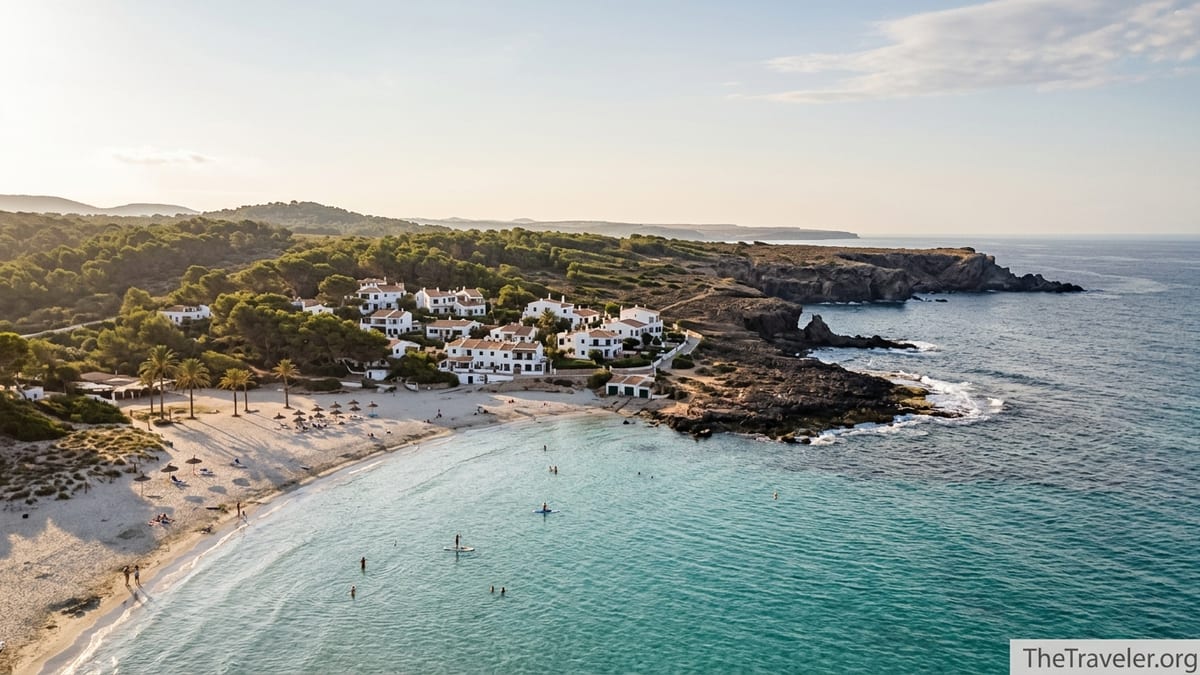
How the Spanish islands compare at a glance
Think of Spain’s islands as two families. In the Mediterranean, the Balearics offer classic summer beach holidays from roughly May to October, with warm but not extreme temperatures and short flights from most of Europe. In the Atlantic, the Canary Islands sit off the coast of Africa and have spring-like weather much of the year, which is why you see package deals from November to February when much of Europe is cold and gray.
Mallorca and Tenerife are the all-rounders that try to do everything at scale: family resorts, nightlife, hiking, culture and luxury hotels. Menorca and Formentera are quieter and more nature focused, better for low-key beaches and couples or young families. Ibiza and Gran Canaria lean more into nightlife, while still having calm corners if you choose your base carefully. Lanzarote and Fuerteventura are about wide beaches, water sports and otherworldly volcanic scenery. La Palma and La Gomera are for travelers who care more about hiking trails, starry skies and authenticity than about hotel water slides.
Prices vary by island and season, but as a rough idea a midrange hotel or apartment near a good beach in peak summer in the Balearics often ranges from around 180 to 300 euros per night, depending on how close you are to the sea and how upscale the property is. In the Canaries in winter, you can often find similar standard rooms around 120 to 220 euros per night, particularly in larger resorts in Tenerife, Gran Canaria or Fuerteventura. Smaller and quieter islands like Formentera and La Palma can be more limited in availability, so prices rise faster around school holidays.
Direct flights from major European cities connect to all the islands in this guide, but frequency and price differ. Palma de Mallorca and Tenerife South are among the busiest airports, with multiple daily flights from hubs like London, Madrid and Barcelona in high season, often making them the most practical choices for short trips or for combining islands by ferry once you arrive.
Best islands for beaches and clear water
If your main filter is beaches, start with the Balearics, then look to Fuerteventura and parts of Lanzarote in the Canaries. For picture-book turquoise water and white sand, Formentera is hard to beat. Beaches like Platja de ses Illetes have shallow, clear water that feels almost Caribbean in good weather, and most visitors get around the island by scooter or bicycle, stopping at simple chiringuito beach bars for grilled fish and salads. Formentera has relatively few large hotels, so many travelers book small guesthouses or apartments months ahead, especially in July and August.
Mallorca offers the widest range of beaches in the Balearics. In the northeast, Alcúdia and Playa de Muro have long, soft sand and shallow entry that suits families. On the southeast coast, smaller coves such as Cala Mondragó or Cala Llombards are surrounded by pine trees and cliffs, so you combine swimming with short walks or simple hikes. Getting to these coves often involves parking a short distance away and walking 10 to 20 minutes, which keeps them from feeling as built up as the big resort bays.
Menorca specializes in unspoiled coves and calm, shallow water. The south coast in particular has a string of family-friendly beaches like Son Bou, Cala Galdana and Santo Tomás where you can rent sunbeds and pedal boats or simply roll out a towel on the sand. Inland development has been limited compared to Mallorca or Ibiza, so even busy beaches often feel more nature focused, which is why many European families with younger children return year after year.
In the Canaries, Fuerteventura is the classic choice for pure beach time. The dunes and beaches around Corralejo in the north and the long golden sands at Jandía in the south are among the longest and widest in Spain. The Atlantic can bring more wind and waves than the Balearics, which surfers and kitesurfers appreciate, but lifeguard stations and flag systems on main beaches make it practical for families too. Lanzarote offers smaller but still impressive shores, such as Playa de Papagayo near Playa Blanca, where green-blue water is backed by low volcanic hills.
Best islands for couples and romantic escapes
For couples, the choice often comes down to how quiet you want your island to be and what kind of evenings you imagine. Formentera is a strong candidate if you like lazy days on beaches followed by simple, candlelit dinners. The island has a mix of chic beach restaurants and rustic countryside restaurants where you might share seafood paella and local wine on shaded terraces. There are only a few upmarket hotels, so many couples rent scooters, choose small design guesthouses and spend the day exploring different coves together.
Menorca is a good option for couples who enjoy scenery, small towns and light activity. The whitewashed old town of Ciutadella has narrow lanes, small wine bars and waterfront restaurants looking onto a narrow harbor, while the capital Mahón combines Georgian-era architecture with a deep natural harbor. Many couples base themselves in rural hotels set in old farmhouses, then drive to different beaches during the day and return for quiet evenings around a pool or garden.
Mallorca works particularly well for couples who want variety. Scenic mountain villages in the Serra de Tramuntana, such as Deià, Valldemossa and Sóller, appeal to travelers who enjoy boutique hotels in stone houses, long lunches and sunset views. At the same time, you can spend a day at a city beach near Palma, or book a spa afternoon in a luxury hotel on the southwest coast. This flexibility makes Mallorca ideal for trips where one partner likes to be active while the other wants more pool or spa time.
In the Canaries, La Palma and La Gomera are the quieter romantic choices. La Palma, often called La Isla Bonita, offers dramatic green slopes, banana plantations and dark sand beaches with far fewer resorts than Tenerife or Gran Canaria. Many rural houses for rent have rooftop terraces where you can see clear night skies, and the island has a reputation among European stargazers. La Gomera, reached by ferry from Tenerife, combines terraced hillsides, laurel forests and tiny coastal villages. Couples often choose small guesthouses in Valle Gran Rey or around the island’s north, where evenings tend to be about simple restaurants and walks rather than nightlife.
Best islands for families and easy logistics
Families often need a mix of short transfers, calm water, self-catering options and things to do on less-than-perfect beach days. Mallorca is a practical all-rounder. Palma airport has extensive connections, and resort areas like Alcúdia, Playa de Muro, Santa Ponsa and Cala d’Or offer apartments and hotels with kids’ pools, playgrounds and family-friendly restaurants. A typical self-catering apartment within walking distance of the beach in July might cost roughly 200 to 300 euros per night, depending on facilities and exact location, with package deals sometimes undercutting that when flights and transfers are included.
Menorca is widely regarded as one of the best islands in Spain for young families, thanks to calm, shallow beaches and a slower pace. Resorts such as Cala Galdana or Son Bou are purpose-built for families, with a mix of hotels, apartment complexes and camping bungalows. The island is relatively compact, so day trips are short. You might spend one day on the beach, another visiting old-town Ciutadella, and another walking a short section of the Camí de Cavalls coastal path with older children.
In the Canaries, Tenerife and Lanzarote stand out for families who need reliable winter sun. Southern Tenerife around Costa Adeje and Los Cristianos has a large concentration of family resorts with heated pools, kids’ clubs and easy-access sandy beaches. The climate is mild even in December and January, so you can often swim in hotel pools while northern Europe is in winter. Lanzarote’s main resort areas of Playa Blanca and Puerto del Carmen offer a similar mix of apartments and hotels, along with attractions such as volcanic landscapes in Timanfaya National Park, where families can take guided coach tours through lava fields.
Gran Canaria also works well for families, especially along the sunny south coast around Maspalomas, Meloneras and Puerto Rico. Maspalomas has a long sandy beach backed by rolling dunes, along with a promenade lined with restaurants and ice cream stands. Many of the larger hotels in this area are geared toward all-inclusive family stays, which can provide value for those who prefer to pay upfront and not worry about daily restaurant bills.
Best islands for nightlife and social energy
Ibiza remains the most famous nightlife island in Spain. From late May to early October, big-name clubs near Ibiza Town and San Antonio host international DJs several nights a week, and beach clubs line the coasts with daybeds and sunset sessions. People who come mainly for nightlife often stay near these hubs to avoid long taxi rides, though prices for hotels and drinks are definitely at the higher end of the Spanish island scale. To balance late nights with quiet days, many travelers choose accommodations in the island’s interior and rent a car, driving to clubs when they want that scene and then retreating to the countryside.
Ibiza also has a more low-key side, with coves like Cala Vadella, Cala Gració and Cala Llonga attracting families and couples who mainly want a beautiful beach and a few good restaurants. This means mixed groups of friends can split their time between nightlife hotspots and peaceful beach days without having to change islands. Expect higher nightly rates in July and August even in the quieter areas, as capacity is limited and demand high.
In the Canaries, Gran Canaria and Tenerife offer the most nightlife, particularly in the larger resort areas. Playa del Inglés and Maspalomas in Gran Canaria combine bars, clubs and a strong LGBTQ+ scene, while the south of Tenerife around Playa de las Américas and Costa Adeje has a long strip of pubs, cocktail bars and live music venues. Nightlife here tends to be more casual and bar focused than the super-club scene in Ibiza, which suits travelers who want busy evenings without high entry fees or strict dress codes.
Lanzarote and Fuerteventura have smaller nightlife scenes concentrated in resort towns like Puerto del Carmen, Corralejo and Caleta de Fuste. These are more about Irish pubs, live bands and late-opening bars than about large dance clubs. The smaller islands Formentera, La Palma and La Gomera are mostly quiet after midnight, so they suit visitors who want starry skies and early mornings more than 3 a.m. finishes.
Best islands for hiking, nature and active escapes
If you prioritize hiking and wild scenery, focus on Tenerife, La Palma, La Gomera and parts of Mallorca and Lanzarote. Tenerife’s Teide National Park, centered on Spain’s highest peak, offers marked trails through lava fields and pine forests at altitude, with cable car access partway up the mountain. Around the island’s north, areas like Anaga Rural Park deliver steep, forested trail networks with views of cliffs and the Atlantic. Many travelers base themselves in coastal towns such as Puerto de la Cruz and drive inland for day hikes.
La Palma is a standout for hiking, with routes that cross volcanic ridges, pine forests and craters. The island’s dark skies also make it popular for astronomy-themed trips, and simple rural accommodations often highlight stargazing terraces as a selling point. La Palma has fewer large beach resorts than Tenerife or Gran Canaria, so it suits independent travelers comfortable with renting a car and planning their own routes.
La Gomera is compact but laced with walking trails, particularly in Garajonay National Park, a UNESCO-listed laurel forest in the misty interior. Many visitors base themselves in Valle Gran Rey or San Sebastián de La Gomera, then take local buses or taxis up to the highlands for circular walks. Afternoons often end with swims at small pebble or dark-sand beaches and simple dinners in village restaurants.
In the Balearics, Mallorca’s Serra de Tramuntana mountain range provides a network of hiking paths and cycling routes, from coastal walks near Port de Sóller to more demanding summit hikes. Some long-distance routes link traditional stone villages where you can stay in small inns or country hotels. On Lanzarote, walking in Timanfaya and nearby protected areas lets you experience the island’s black and red volcanic landscapes, with guided tours keeping access controlled to protect the environment.
Best islands for luxury stays and special occasions
If you are planning a honeymoon, milestone birthday or once-in-a-decade escape, Spain’s islands offer a range of luxury-focused areas. In the Balearics, Ibiza and Mallorca have the broadest selection of upscale hotels, beach clubs and fine-dining restaurants. On Ibiza, the southwest and parts of the north coast feature cliffside and countryside retreats where suites with private pools, spa treatments and tasting menus are common. Prices for luxury properties in high summer can easily run into several hundred euros per night and rise higher for suites with private pools and sea views.
Mallorca offers a more varied high-end scene, from renovated palaces in Palma’s old town to minimalist glass-and-stone hotels on the southwest coast and traditional fincas in the Tramuntana mountains. Couples often spend a few nights in Palma to enjoy restaurants and galleries, then move to a coastal or rural hotel for the rest of the trip. In high season, expect to pay premium rates for sea-view rooms and adults-only properties, though early June and late September often offer better value with similar weather.
In the Canaries, Tenerife and Gran Canaria lead for luxury. Costa Adeje and the neighboring areas on Tenerife’s south coast have several five-star resorts with multi-pool complexes, extensive spa facilities and direct or near-direct beach access. Many offer half-board or full-board options, which can make budgeting easier for longer stays. On Gran Canaria, the Meloneras area near Maspalomas focuses on upscale beachfront hotels, palm-lined promenades and golf courses.
Luxury also exists in subtler forms on the quieter islands. On Menorca, you can find boutique hotels inside old farmhouses with a handful of rooms and farm-to-table restaurants that showcase local cheese, seafood and wine. On La Palma and La Gomera, the luxury is more about space, views and silence than about marble lobbies. Well-designed rural houses with private pools and wide terraces can feel very high-end even if services are simple.
Best islands for value and budget-conscious travelers
Value is not only about the headline room rate but also what you get in return. In the Balearics, Menorca and Formentera tend to be more expensive per night than mass-market parts of Mallorca, simply because they have fewer beds. However, you may spend less once there if you cook some meals, use buses where available and focus on free activities such as beach time and walking coastal paths. Shoulder seasons in May, early June and late September often bring noticeably better prices on accommodation and flights while still offering warm weather for swimming.
For budget travelers, larger and more year-round destinations in the Canaries often deliver stronger value. Tenerife, Gran Canaria, Lanzarote and Fuerteventura all have a wide spread of accommodation, from simple apartments in older complexes to modern hotels. This competition tends to keep prices more moderate outside peak holiday weeks. In winter, basic self-catering apartments in resort areas can sometimes be found for under 80 to 100 euros per night if booked well in advance or as part of a package.
The cost of food and drink also influences value. Across most of the islands, you can still find local bars where a morning coffee and pastry cost a few euros and simple set lunches offer two or three courses at reasonable prices, especially away from beachfront promenades. Tourist-focused beach clubs and hotel restaurants charge more, but picnics and casual tapas remain options for keeping daily spending down. Using local supermarkets and markets for fruit, snacks and drinks can significantly reduce the cost of a family holiday.
Transport is another factor. On islands like Mallorca, Tenerife and Gran Canaria, public buses connect main towns and many resort areas, which can allow some visitors to skip car rental, especially for short stays based in a single resort. On smaller or more rural islands such as Menorca, La Palma and La Gomera, renting a car for at least part of the stay usually makes sense and should be factored into budgets. Booking flights and ferries early, particularly for popular weekends and school holidays, remains one of the most reliable ways to save.
The Takeaway
There is no single “best” Spanish island, only the one that fits your priorities right now. For classic summer beach holidays, family convenience and good flight networks, Mallorca, Menorca and the main Canary Islands are strong first choices. For pure turquoise-water escapism, Formentera, parts of Menorca and Fuerteventura’s long sands stand out. If nightlife and social energy matter, Ibiza and the resort hubs of Gran Canaria and Tenerife deliver, while hikers and nature lovers will likely gravitate toward Tenerife’s interior, La Palma, La Gomera and Mallorca’s Tramuntana mountains.
Couples looking for romance can choose between the chic rustic feel of Menorca and Formentera, the cultural and coastal mix of Mallorca or the quiet green slopes of La Palma and La Gomera. Luxury seekers will find the biggest concentration of five-star hotels and beach clubs on Ibiza, Mallorca, Tenerife and Gran Canaria, while value-focused travelers might lean toward the larger Canary Islands outside the busiest weeks or toward shoulder seasons in the Balearics.
Whichever island you choose, it helps to decide first what you want to look at when you wake up in the morning: a dramatic volcanic ridge, a calm turquoise bay, a lively promenade or a sleepy village square. Once you are honest about that picture, the decision between Mallorca, Menorca, Ibiza, Formentera, Tenerife, Gran Canaria, Lanzarote, Fuerteventura, La Palma and La Gomera becomes less overwhelming and far more exciting.
FAQ
Q1. Which Spanish island is best if I want both beaches and hiking on one trip?
Tenerife and Mallorca are the strongest all-rounders, with good beaches and extensive marked hiking routes. In Tenerife you can combine days on the south coast with trips to Teide National Park and the Anaga region, while in Mallorca you can split time between sandy bays and the Serra de Tramuntana mountains.
Q2. Where should families with young children go for calm, shallow water?
Menorca’s south-coast beaches, such as Cala Galdana and Son Bou, and Mallorca’s Alcúdia and Playa de Muro areas are popular because of their shallow entry and fine sand. In the Canaries, sheltered sections of southern Tenerife and Lanzarote’s Playa Blanca can also work well outside days of strong wind or swell.
Q3. Which island is best for nightlife beyond Ibiza?
Ibiza is still the top choice for large clubs and international DJs, but Gran Canaria and Tenerife have the liveliest scenes in the Canaries, especially around Playa del Inglés and Maspalomas in Gran Canaria and Playa de las Américas in Tenerife. These focus more on bars, smaller clubs and late-night promenades than on huge super-clubs.
Q4. What is the best Spanish island for couples seeking a quiet, romantic break?
Formentera and Menorca appeal to couples who want calm beaches, small guesthouses and simple seaside dinners. In the Canaries, La Palma and La Gomera are good options for couples who enjoy green landscapes, walking and low-key evenings in small villages rather than busy resort nightlife.
Q5. Which islands are best for a winter-sun beach holiday?
The Canary Islands are the clear choice for winter sun, with Tenerife, Gran Canaria, Lanzarote and Fuerteventura offering mild temperatures and open resorts from roughly November through March. Southern Tenerife and the south coasts of Gran Canaria and Fuerteventura are among the most reliable for warm, settled conditions.
Q6. If I am on a tighter budget, which island should I choose?
Larger Canary Islands such as Tenerife, Gran Canaria, Lanzarote and Fuerteventura typically offer more budget-friendly options because of their wider accommodation stock and year-round tourism. In the Balearics, choosing less fashionable resort areas on Mallorca outside peak weeks, or traveling in May, early June or late September, can keep costs down.
Q7. Do I need to rent a car on the Spanish islands?
On bigger islands like Mallorca, Tenerife and Gran Canaria, you can rely on buses if you stay in a main resort or town, but renting a car gives far more flexibility for visiting coves, viewpoints and small villages. On Menorca, La Palma and La Gomera, public transport is more limited, so a rental car for at least a few days is usually recommended if you want to explore beyond your immediate area.
Q8. Which island has the clearest, most turquoise water?
Formentera is widely known for its exceptionally clear, turquoise water over white sand, particularly on beaches like Platja de ses Illetes. Parts of Menorca’s south coast and some sheltered coves in Mallorca also offer very clear water in calm conditions. In the Canaries, Fuerteventura’s east coast often has clear, bright water, though the Atlantic brings more wave action.
Q9. What Spanish island would you recommend for first-time visitors to Spain?
Mallorca is often the easiest introduction, because it combines an attractive capital city, good public transport, varied beaches and mountain scenery. Tenerife is another strong first-timer option if you prefer to travel outside the summer months, since you can mix beach days, volcanic landscapes and simple day trips without complex logistics.
Q10. How far in advance should I book accommodation on these islands?
For July and August in the Balearics, and for popular winter weeks in the Canaries, booking several months in advance usually gives more choice and better prices, especially for family apartments and small boutique hotels. On quieter islands like Formentera, La Palma and La Gomera, early booking is wise at any time of year because the number of rooms is relatively limited compared with larger islands.