


Few parts of Europe pack in as much beach variety as Spain’s islands. Between the Balearics and the Canaries you can move from Caribbean style turquoise coves to Atlantic surf beaches in under three hours’ flight from many European hubs. This guide compares key islands and specific beaches for three things most travelers ask about today: luminous turquoise water, safe family friendly sands and reliable surf. It focuses on Formentera, Menorca, Mallorca, Fuerteventura, Lanzarote, Tenerife and Gran Canaria, with additional examples where they genuinely add something different.
How the Spanish Islands Compare: Turquoise Water, Surf and Families
Spain’s island beaches split into two broad groups. The Balearics in the Mediterranean, led by Mallorca, Menorca, Ibiza and tiny Formentera, are the classic choice for turquoise water, sheltered coves and easy family swimming. The Canaries, sitting in the Atlantic off the coast of Africa, trade glassy lagoons for bigger swell, wind and wide sandy surf beaches, while still offering calm corners and resort areas for children.
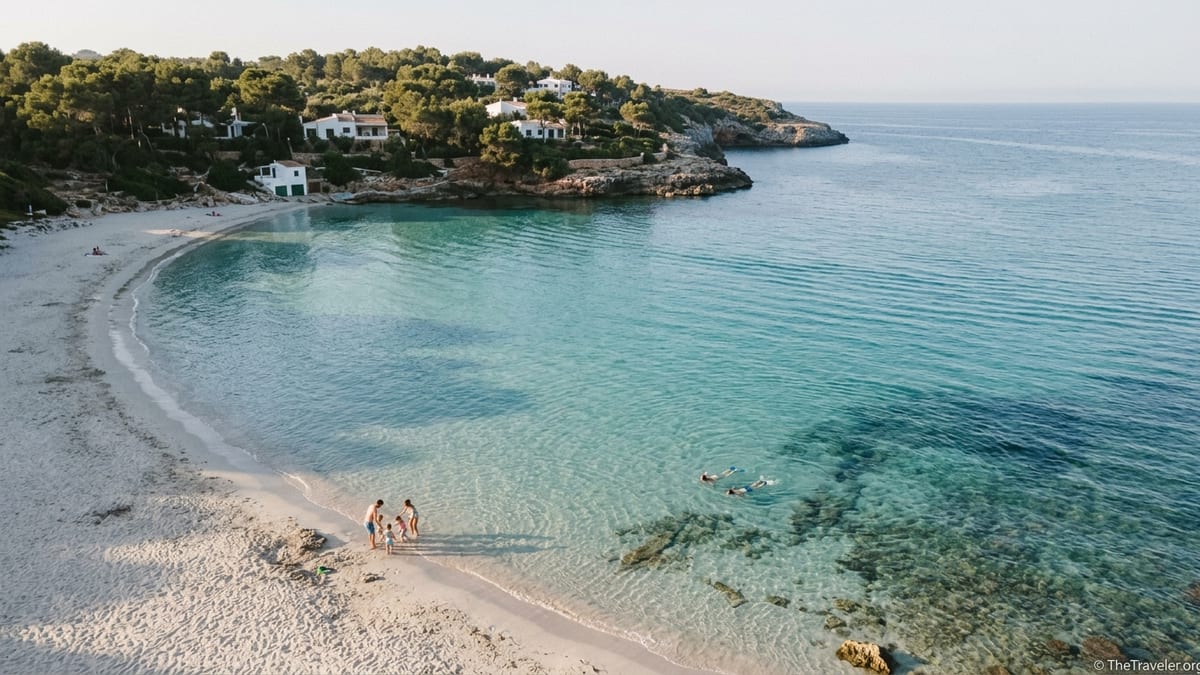
For pure color of the water, Formentera and southern Menorca are often compared to the Caribbean, with very shallow sand shelves that create bright turquoise and emerald tones on sunny days. Families tend to like these islands because many beaches stay shallow for tens of meters, and summer waves are usually minimal. Snorkeling is better here than outright surfing, with rocky headlands and posidonia seagrass meadows attracting fish close to shore.
Surf focused travelers usually look first to Fuerteventura, Lanzarote and parts of Tenerife and Gran Canaria. These islands combine consistent Atlantic swell with beginner friendly beach breaks, especially around Corralejo and El Cotillo in Fuerteventura or Famara in Lanzarote. They cannot match the Balearics for lagoon like turquoise, but on clear days many Canary beaches still offer clean pale blue water, especially over light sand on the east coasts.
Pricing is fairly similar across the islands for mid range travel. In summer 2026, families report paying around 180 to 260 euros per night for a modern two bedroom apartment with pool near the beach in Menorca or Mallorca, and 140 to 220 euros for comparable accommodation in Fuerteventura or Gran Canaria outside peak Christmas and Easter weeks. Car hire in high season typically runs between 35 and 60 euros per day depending on vehicle size and booking lead time.
Formentera: Shallow Turquoise Lagoons and Low Key Resorts
Formentera is the smallest of the main islands in this comparison and is often singled out as having some of the clearest, brightest turquoise water in the western Mediterranean. Ses Illetes in the north and Platja de Llevant on the opposite side of the same sand spit are the postcard examples. The sand here is fine and white, and the seabed stays shallow far from shore, which makes the color unusually intense on sunny days and creates long, waist deep stretches ideal for children who like to wade and splash.
Families with younger children often base themselves around Es Pujols or near Migjorn beach on the south coast. Es Pujols offers small hotels and apartment style properties within a few minutes’ walk of the beach, beachside playgrounds and casual restaurants where kids can eat simple dishes like grilled fish, pasta or tortilla for under 12 euros. Migjorn is quieter, with more scattered, design focused hotels and villas, but its long sandy stretch gives plenty of space to spread out, and sections have almost lagoon like water on calm days.
For snorkeling, rocky sections at the ends of beaches such as Cala Saona or the headlands near Ses Illetes offer straightforward entry points. Visitors frequently rent basic snorkel sets in Es Pujols for about 10 to 15 euros per day or 30 to 40 euros per week, which is often better value for a family than buying low quality sets at small supermarkets. Formentera is not a surf destination, but stand up paddleboarding and kayaking are popular, with guided family tours in high season starting around 45 to 60 euros per adult for a half day, including equipment and basic instruction.
Accommodation capacity on the island is limited by design, which helps keep beaches from feeling as built up as parts of Mallorca or Ibiza. It also means prices in July and August can be high relative to the simplicity of some properties. Travelers who come for the water color and relaxed, barefoot atmosphere tend to see this as a worthwhile trade off, but families on tighter budgets may find better value on Menorca or in quieter corners of Mallorca.
Menorca: Turquoise Coves and Some of Spain’s Best Family Beaches
Menorca has built a reputation in recent years as the Balearic island that balances turquoise coves with a calmer, family oriented atmosphere. The island’s south coast hosts a string of sheltered bays where limestone cliffs and pine forests frame shallow water over pale sand. Names that come up repeatedly in recent 2026 beach guides include Cala Galdana, Cala en Turqueta, Cala Macarella and Cala Mitjana for their bright color and protected conditions. Many visitors combine a stay in a family resort area with day trips by car or boat to these postcard coves.
For families who prefer to be directly on a sandy beach with full services, Arenal d’en Castell, Son Bou and Cala Galdana are among the most practical bases. Arenal d’en Castell has a wide, horseshoe shaped bay with fine sand and shallow entry, plus hotels and self catering apartments directly at the waterfront. Son Bou, the island’s longest beach at about 2.5 kilometers, offers plenty of room to walk and play, sunbed rental and a handful of beach bars. Cala Galdana combines a dramatic setting with hotels, supermarkets and kayak and pedal boat rentals, making it an easy all in one area for a week without much driving.
Snorkeling in Menorca is particularly appealing for beginners because many coves offer rock faces right beside sandy entry points. At Cala en Turqueta, for example, older children can swim a short distance along the cliffside and see small fish schools and underwater rock formations without having to swim far from the beach. Rental boats with small engines, often marketed as “no license” boats, are popular with families wanting to reach coves such as Cala Macarelleta or Cala Trebaluger in high season when parking is controlled. Prices in summer are typically in the range of 120 to 180 euros for a half day, fuel included, depending on boat size and company.
Menorca is not a surfing island in the same way the Canaries are, but on days with north swell some open beaches on the north coast, such as Son Parc or Cala Tirant, can produce small waves that teenagers enjoy bodyboarding in. Bodyboards are widely sold in resort supermarkets for 20 to 40 euros and can be a good compromise for families who want a bit of wave fun without devoting the trip to surf lessons.
Mallorca: Big Island Mix of Turquoise Coves, Resorts and Activities
Mallorca, the largest Balearic island, offers perhaps the broadest range of beach styles in this comparison. Its southeast and northeast coasts are where travelers most often find the kind of turquoise, pine framed coves that appear in marketing campaigns. Spots like Cala Mondragó, Cala Llombards and Cala Agulla feature clear water over sand with rocky sides that are suitable for snorkeling. A protected park status at Cala Mondragó reduces construction near the shoreline, which helps maintain a more natural backdrop than some larger resorts.
Families often divide their time between compact coves and wide, easy access beaches. Alcúdia Bay on the north coast is one of the most popular family bases, with several kilometers of gently shelving sand, shallow water and a promenade backed by apartments, medium rise hotels and playgrounds. Many family focused hotels here operate on a half board or all inclusive basis, with high season nightly rates commonly around 200 to 280 euros for a family room sleeping four, including breakfast and dinner. The long bay allows for activities such as stand up paddle rental, banana boat rides and sailing schools, which suit families with older children.
On the southwest and west coasts, areas like Palmanova, Santa Ponsa and Port de Sóller provide sandy beaches within easy reach of Palma. Palmanova and Santa Ponsa are dense, resort oriented towns with playgrounds along the beach and many restaurants offering children’s menus, while Port de Sóller has a sheltered bay with a narrow sandy beach and a tram line that is popular with families. Travelers looking for quieter surroundings often choose smaller villages like Colònia de Sant Jordi or Cala d’Or as a base and then day trip to well known coves.
Mallorca has pockets of surfable waves in winter when wind and swell align, but conditions are irregular compared with the Canaries. Travelers who want surfing as a central part of their trip normally choose a Canary Island instead and treat Mallorca as a destination for swimming, calm water paddling and boat excursions rather than reliable surf.
Fuerteventura: Europe’s Sandiest Surf Island
Fuerteventura in the Canaries stands out for its huge expanses of sand and strong links to both surfing and wind sports. The Grandes Playas near Corralejo form several kilometers of nearly continuous dunes and pale sand beaches, with regular bus links from the town and a backdrop of desert style scenery. Water here tends to be a clear, light blue rather than the intense turquoise of shallow Balearic coves, but the sense of space and the combination of bathing and sport zones attract both families and active travelers.
Corralejo has become a major hub for beginner and intermediate surfers thanks to its proximity to several beach breaks. Surf schools in town typically charge around 60 to 75 euros per person for a full day group lesson including transport, board, wetsuit and insurance. In recent months, travelers have reported schools using live beach cameras and daily condition checks to pick the best spot for students, often choosing among nearby breaks such as Rocky Point, El Cotillo’s long beach or certain sections of the north shore depending on swell and wind. Many surf houses and hostels in Corralejo bundle accommodation and lessons, attracting solo travelers and small groups.
On the island’s southeast coast, Sotavento beach runs for around nine kilometers and is famed for its windsurfing and kitesurfing conditions. A sandbar offshore creates a shallow lagoon several kilometers long at certain tide stages, where schools run beginner lessons in flat water while more advanced riders operate out in the open sea. Families who want an active holiday often stay at resort hotels close to Sotavento or in nearby Costa Calma, where it is possible for one parent to take a half day kitesurfing course while the other stays back at the pools and kids’ club.
For families primarily interested in simple beach time, areas such as Caleta de Fuste, Costa Calma and some smaller resorts near El Cotillo offer protected bays and gradual entry. Imported sand in some places creates a lighter, softer beach surface that is comfortable for toddlers. Water temperatures around Fuerteventura typically range from about 18 degrees Celsius in winter to 22 to 23 degrees in late summer, which means most swimmers without wetsuits feel comfortable from roughly June to October, while surfers wear full suits outside those months.
Lanzarote, Tenerife and Gran Canaria: Surf and Resort Variety
Lanzarote, Tenerife and Gran Canaria are often grouped together but each has a distinct feel. Lanzarote is perhaps best known among surfers for Playa de Famara, a wide bay on the northwest coast that picks up consistent Atlantic swell. The beach here is sandy, backed by cliffs and dunes, and surf schools in the small village of Famara run courses for beginners and intermediates almost year round, often priced similarly to Fuerteventura at around 60 to 80 euros per day in group format. The water color at Famara is more ocean blue than turquoise, but on calm days the shallows can still look bright and inviting.
On the opposite side of Lanzarote, beaches such as Playa Blanca and the Papagayo coves provide more sheltered water for families. Papagayo is a collection of coves with clear water over light sand, reached by a rough access road or by boat trips from Playa Blanca. Families often choose Playa Blanca as a base, with its resort hotels, promenade and ferry port, and then take half day trips to Papagayo to snorkel and swim in quieter surroundings.
Tenerife combines some of the liveliest resort areas in the Canaries with a few of its most wind reliable kite and windsurf spots. The south coast resorts of Playa de las Américas and Costa Adeje cater to families who value water parks, themed hotels and a large choice of restaurants. Their main beaches are artificial or enhanced with imported sand and are usually sheltered by breakwaters, creating manageable waves for children most days. About 20 to 30 minutes’ drive away, El Médano and neighboring spots offer windsurfing and kitesurfing in more exposed conditions, with schools shuttling beginners to slightly calmer nearby beaches on very windy days.
Gran Canaria offers a complete mix of resort and city beaches. Maspalomas and Playa del Inglés on the south coast form one of the largest continuous stretches of sand in the archipelago, with dune scenery, family friendly sections close to hotels and more open, wilder sections further along. In the island’s capital, Las Palmas, Las Canteras beach doubles as a city beach and an everyday surf spot, with a natural reef providing some protection and creating zones for swimmers and surfers. Families staying near Las Canteras can combine time on the sand with city attractions, which suits those who tire of all inclusive resort routines.
Other Notable Islands and Beaches for Clear Water and Waves
Ibiza, although not in the original list, is worth mentioning briefly because many travelers compare it with nearby Formentera and Mallorca when choosing where to go. While the island has a party reputation in some areas, the north and parts of the west coast host some superb coves for swimming and snorkeling. Beaches such as Cala Comte are known for their shallow, clear blue water over sand, while smaller coves like Cala Xuclar provide a more secluded “fishermen’s huts and rocky snorkeling” atmosphere. Families who stay away from major clubbing hubs often find Ibiza surprisingly relaxed, particularly in May, June, September and early October.
La Palma and La Gomera in the western Canaries are less focused on beaches and more on hiking and scenery, with many shores made up of darker volcanic sand or pebbles. They do, however, offer pockets of calm water suitable for families who prioritize quiet surroundings over classic beach resort facilities. These islands can work well as a second or third trip once travelers have already experienced the more mainstream beach destinations and are looking for somewhere less commercial.
For visitors who want a balance of turquoise water, some light wave fun and minimal crowds, one strategy is to split a trip between two nearby islands. A common example is flying into Ibiza, spending a few days on quieter northern beaches, then taking the short ferry to Formentera for pure swimming and snorkeling. Another approach is to combine a week of active surf and wind sports in Fuerteventura or Lanzarote with a few days in Gran Canaria or Tenerife for larger resort facilities and city sightseeing.
Across all islands, peak months of July and August bring the highest prices and crowds. Travelers looking for better value and more space on the sand often aim for late May to late June or September to mid October, when sea temperatures are still comfortable in the Balearics and very mild in the Canaries. In winter, the Balearics become more of a walking and cultural destination, while the Canaries remain an attractive option for sun, with daytime highs commonly in the low twenties Celsius and water still warm enough for short swims or longer sessions with a wetsuit.
The Takeaway
Choosing the “best” Spanish island beach destination depends on whether turquoise color, surfable waves or family facilities matter most to you. Formentera and southern Menorca remain top picks for shallow, intensely turquoise water and simple swimming and snorkeling days, though prices and limited capacity reward early booking. Mallorca adds more variety, from large family resort bays with water sports to smaller coves reachable through pine forests, and tends to suit mixed groups who want both beach time and a broader range of excursions.
If daily surf and wind are priorities, Fuerteventura and Lanzarote stand out with their combination of long sandy breaks, busy but friendly surf school scenes and enough calm bays for less confident swimmers. Tenerife and Gran Canaria then layer on big resort areas, water parks and urban beaches, making them strong choices for families who want reliable winter sun and do not mind a more built up coastline.
In practical terms, a family of four on a mid range budget can expect to spend a similar amount per night across most of these islands, but will find more space and better surf conditions in the Canaries, and more classically turquoise, sheltered coves in the Balearics. Building an itinerary around one or two core priorities and then choosing the island that does that best, rather than trying to tick every box at once, tends to produce the most satisfying trips.
FAQ
Q1. Which Spanish island has the clearest turquoise water for swimming?
Formentera and the south coast of Menorca are often cited as having the clearest, most turquoise water, thanks to shallow sandy seabeds and protected coves that stay calm in summer.
Q2. Where is best for beginner surfers among these islands?
Fuerteventura and Lanzarote are the most reliable for beginner surf, with beach breaks near Corralejo, El Cotillo and Famara offering regular lessons and forgiving waves for first timers.
Q3. Which island works best for a first family beach holiday with small children?
Menorca is a strong choice for a first family trip due to its sheltered south coast bays, shallow entry beaches like Cala Galdana and Arenal d’en Castell, and generally calmer atmosphere.
Q4. Are the Balearic Islands or the Canaries better for snorkeling?
The Balearics usually offer easier snorkeling in calm, clear coves with rocky sides, while the Canaries have more marine life overall but can be choppier, so conditions depend more on the day and specific beach.
Q5. Can I find turquoise style water in the Canary Islands too?
While the Canaries are more Atlantic blue overall, some sandy east coast beaches and sheltered bays, especially in Fuerteventura and parts of Lanzarote, show light turquoise tones on calm, sunny days.
Q6. Which islands have the best range of all inclusive beach resorts?
Mallorca, Tenerife and Gran Canaria have the widest choice of all inclusive and large resort hotels, many with kids’ clubs, multiple pools and direct or very close access to sandy beaches.
Q7. Do I need a car to enjoy the best beaches?
A car is very useful on Menorca, Mallorca and Lanzarote to reach the most scenic coves, while in Fuerteventura, Tenerife and Gran Canaria you can combine buses, organized excursions and walking if you stay in major resort areas.
Q8. When is the best time of year to combine warm water and fewer crowds?
Late May to late June and September to mid October usually offer warm seas, pleasant air temperatures and fewer crowds compared with peak July and August on both the Balearic and Canary Islands.
Q9. Are there good options for non surfers in surf focused islands like Fuerteventura?
Yes, even in surf hubs there are calm bays, dune backed beaches, coastal walks and boat trips, so non surfers can enjoy regular beach days while others take lessons or chase waves.
Q10. How do prices compare between the Balearic and Canary Islands?
Mid range accommodation and restaurant prices are broadly similar, but the Canaries can be slightly better value outside Christmas and Easter, while small, high demand islands like Formentera tend to be more expensive in peak summer.