

Spain’s islands are some of Europe’s easiest family holiday wins: short flights from major hubs, reliable sunshine, and a huge choice of resorts and beaches geared to children. Yet choosing between Mallorca, Menorca and the Canary Islands can feel overwhelming when you are trying to balance sandy beaches, low-stress transfers, water parks and activities for different ages. This guide compares six of the most popular Spanish islands for families – Mallorca, Menorca, Tenerife, Gran Canaria, Lanzarote and Fuerteventura – using real-world examples to help you pick the best fit for your next trip.
How the main Spanish islands compare for families
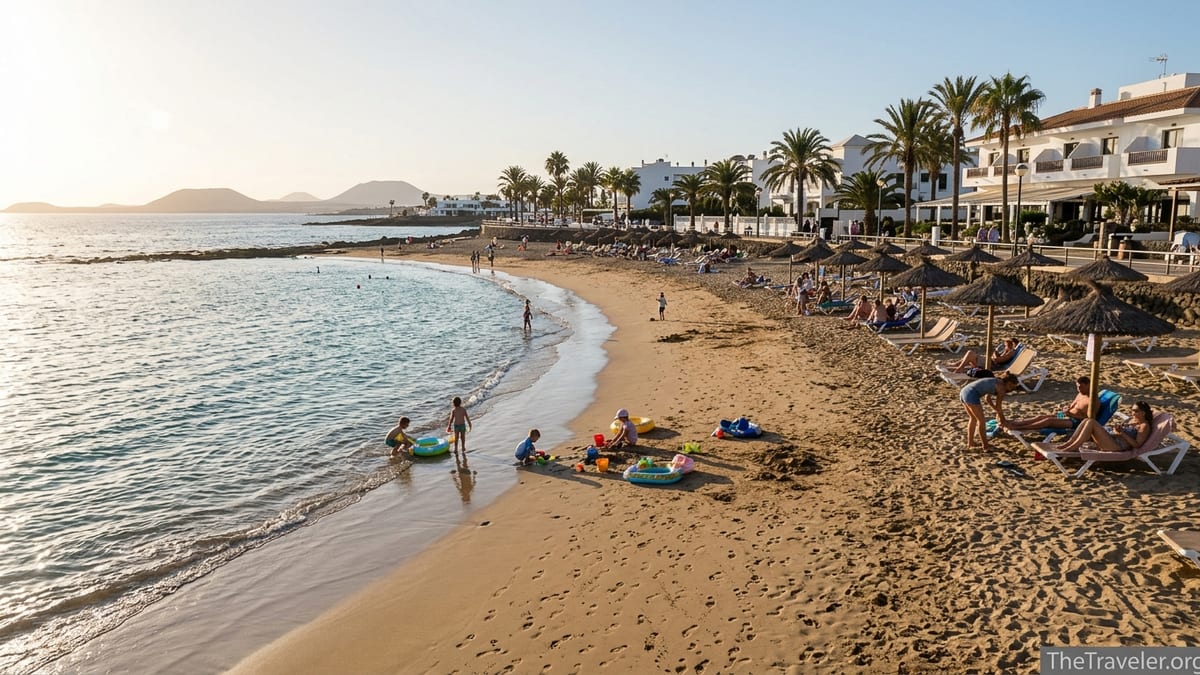
All six islands share the same basic family-friendly ingredients: safe swimming beaches, resort areas with supermarkets and playgrounds, and a good spread of self-catering apartments and all-inclusive hotels. For most European families, flight times are roughly two to four hours, and there is plenty of package competition from major tour operators, which helps keep prices relatively competitive in school holidays.
In practice, each island leans in a slightly different direction. Mallorca and Menorca offer classic Mediterranean summers, with water temperatures that warm up from late May and peak in July and August. The Canary Islands sit further south, off the coast of North Africa, so they work better for winter sun. Tenerife and Gran Canaria have the biggest water parks and most varied attractions, while Lanzarote and Fuerteventura feel quieter and windier, with long open beaches that appeal to active families.
Transfer times from the airport are a useful first filter. On Mallorca, many family resorts such as Alcudia, Playa de Muro, Palmanova and Santa Ponsa are typically 30 to 60 minutes by pre-booked transfer or hire car from Palma de Mallorca Airport, depending on traffic. On the Canary Islands, resort strips tend to be closer still: from Tenerife South Airport to Costa Adeje or Los Cristianos is often around 20 to 30 minutes by taxi in normal conditions, and from Gran Canaria Airport to Maspalomas or Puerto Rico is a similar range.
For families focused on sandy beaches and swimming with younger children, Menorca and parts of Mallorca stand out for their gently shelving bays and fine sand. If teenagers are lobbying for big water slides and theme-park-style days out, Tenerife, Gran Canaria and Lanzarote have the edge, especially around Siam Park in Tenerife and the cluster of water parks on Lanzarote and Gran Canaria. Fuerteventura is the wild card: it offers some of the best beaches in Spain, but the Atlantic swells and wind mean it suits confident swimmers and older kids better than first toddler trips.
Mallorca: big choice, short transfers and water parks
Mallorca is usually the first Spanish island parents consider, and with good reason. Palma de Mallorca Airport is one of Europe’s busiest holiday hubs, which means plenty of direct flights and a wide spread of arrival times that work even with young children. Family-focused areas such as Alcudia and Playa de Muro on the north coast, and Palmanova and Santa Ponsa on the southwest coast, are roughly 30 to 60 minutes from the airport by taxi or pre-booked shuttle, so you are not facing a long onward journey after a short-haul flight.
On the north coast, Alcudia Bay delivers what many families picture when they imagine a Mediterranean beach holiday. The beach here is a long, sweeping arc of pale sand that shelves gradually, so the water stays shallow a long way out and small children can paddle at the edge while older siblings float on inflatables or try beginner paddleboarding. Behind the beach, resorts such as Port d’Alcudia and Playa de Muro have a concentration of large all-inclusive hotels with family suites, splash pools and kids’ clubs. Families often choose hotels like Zafiro Tropic or Iberostar Playa de Muro Village for their combination of children’s pools, buffet restaurants and proximity to the beach, which allows easy nap breaks without needing a car.
If you prefer a slightly more compact feel, the southwest resorts of Palmanova and Santa Ponsa put you closer to Palma. The transfer from the airport is often around 25 to 35 minutes in normal conditions, which is attractive if you are travelling with babies or toddlers. Here you will find sandy town beaches backed by playgrounds, mini-golf, small amusement parks and seafront promenades with a mix of Spanish cafés and British-style family pubs. Families with children in different age brackets sometimes split their time between the beach and visits to water parks such as Western Water Park near Magaluf or the larger parks on the island, using local buses or pre-booked excursions.
For parents who like to combine beach days with exploring, Mallorca’s size is another advantage. It is realistic to rent a car for a few days and drive to the Serra de Tramuntana mountains for short walks with older kids, or to combine a morning at a sheltered beach like Port de Pollenca with an afternoon wander around Palma’s old town. Because the island is more built up than Menorca, you will find big supermarkets on the edges of most resort towns, which helps families self-cater without paying hotel prices for every snack and drink.
Menorca: sheltered coves, calm water and a slower pace
Menorca is smaller and quieter than Mallorca, with a reputation among European families for soft-sand coves and some of the gentlest swimming conditions in Spain. The island is a designated UNESCO Biosphere Reserve, which has kept development more low-rise and controlled. Beaches on the south coast in particular have pale sand and very shallow water close to shore, making them ideal for toddlers and cautious swimmers. Examples include Cala Galdana, a famous horseshoe bay with shallow turquoise water and a broad strip of sand, and Son Bou, the island’s longest beach, which offers space to spread out along with shallow entry into the sea.
Because of Menorca’s compact size, transfer times from Mahón Airport to most major resort areas are generally between 20 and 45 minutes by taxi or hire car in typical traffic. Cala Galdana and Son Bou, two of the most popular family bases, are usually within that window, so you avoid long coach journeys. Once you arrive, the resort layouts are straightforward: a cluster of mid-rise apartment hotels and family resorts, a small commercial area with supermarkets and bakeries, and the beach itself only a short walk away. Parents often appreciate not having to cross busy main roads to reach the sea, particularly when pushing strollers.
Family accommodation on Menorca tends towards low-rise apartment complexes and mid-sized hotels with children’s pools and playgrounds rather than huge all-inclusive resorts. In Cala Galdana, for example, you will find properties where almost all rooms face the bay or pine-clad hills, with shallow children’s pools and shaded baby pools next to the main pool. In Son Bou, many apartment complexes sit on the slight rise behind the dunes, so families walk five to ten minutes down to the sand, stopping at small playgrounds and café-bars en route.
Activities on Menorca skew towards low-key nature rather than large water parks. Boat trips from resorts such as Cala Galdana or Ciutadella are popular with families who want to see a string of inaccessible coves in a single day, usually with time for swimming and snorkelling in clear, shallow bays. Short sections of the island’s historic coastal path, the Camí de Cavalls, can be tackled with older children as gentle hikes, offering views over untouched coves without committing to long distances. For families who find the busy nightlife of parts of Mallorca or Tenerife off-putting, Menorca’s quieter evenings and focus on beach-and-nature days can feel like a better match.
Tenerife: year-round warmth and headline water parks
Tenerife is the largest of the Canary Islands and one of Europe’s most reliable year-round sun destinations, which makes it particularly appealing for half-term or Christmas school holidays. The main family resort belt on the southwest coast, from Los Cristianos through Playa de las Américas to Costa Adeje, sits a short drive from Tenerife South Airport. Typical taxi transfer times in normal traffic are around 20 to 30 minutes, meaning families can land and be in their hotel pool within an hour in many cases.
The beaches along this coast are a mix of imported golden sand and darker volcanic sand, with breakwaters in places to calm the Atlantic swells. Playa de las Vistas in Los Cristianos and Playa del Duque in Costa Adeje are two examples often recommended for families because of their relatively gentle water conditions, lifeguard presence in main seasons, and wide promenades behind the beach. Here you will find stroller-friendly paths, playgrounds, ice-cream stands and a dense cluster of mid-range and upscale resorts offering family rooms, kids’ clubs and multiple pools.
Tenerife’s standout attraction for families is Siam Park, regularly rated among the top water parks in the world. Set just above Costa Adeje, it combines headline slides for teenagers and adults with extensive family zones, including a large wave pool with a separate shallow area for younger children and a dedicated kids’ water-play section. Many resort hotels and local agencies sell bundled day tickets or include Siam Park visits in package deals, and local buses and shuttle services make reaching the park straightforward from most southwest resorts. For families staying a week, it is common to allocate one full day here, arriving early to secure lockers and shade.
Beyond the water parks and resort pools, Tenerife offers a variety of easy excursions that work with children of different ages. The cable car up Mount Teide allows families to experience the volcanic landscape without a strenuous hike, although the altitude may not suit very young children. Boat trips to look for dolphins and whales depart from Los Cristianos and Puerto Colón and often last two to three hours, with snacks and swimming stops included. When comparing islands, Tenerife tends to suit families who want a mix of pool time, beach days and theme-park-style attractions, particularly if you are travelling outside the peak Mediterranean summer.
Gran Canaria: compact resorts and a balance of beach and activities
Gran Canaria offers a slightly more compact feel than Tenerife while still delivering a wide range of family options. Gran Canaria Airport sits on the east coast, about a 20 to 30 minute transfer in typical traffic from popular resort areas such as Maspalomas, Playa del Inglés and San Agustín, and around 35 to 45 minutes to Puerto Rico and Amadores farther southwest. This keeps onward travel times manageable even with tired children and multiple suitcases.
The south coast is the main focus for families thanks to its sunnier, drier microclimate. Maspalomas stands out for its long sandy beach backed by dramatic dunes, with more sheltered swimming options toward the far end near Meloneras and in nearby Amadores Bay, which has artificial breakwaters to reduce wave action. Families frequently choose hotels here that sit either directly on the beachfront or just a short stroll away, allowing easy returns to the room during the heat of the day.
Gran Canaria also offers several water-based attractions. Aqualand Maspalomas is a mid-sized water park with a mix of high slides and gentler areas; while smaller than Siam Park in Tenerife, it provides enough variety for a day out, especially for children aged around eight and up. Many family hotels run shuttle buses here in main holiday periods. In addition, boat trips from Puerto Rico and Puerto de Mogán offer dolphin watching and coastal cruises, which can be combined with swimming stops and beach time.
In terms of atmosphere, Gran Canaria often appeals to mixed-age groups and extended families. It balances relatively busy waterfront promenades, shopping centres and evening entertainment with quieter corners and villa areas. The road network across the island is well developed, so hiring a car for a day to explore inland villages or viewpoints is manageable. When evaluating against other islands, Gran Canaria sits between Tenerife’s high-energy feel and Lanzarote’s more laid-back mood, providing a middle ground for families looking for plenty to do without being surrounded by theme-park style attractions every day.
Lanzarote: easy driving, family resorts and multiple water parks
Lanzarote combines striking volcanic scenery with a user-friendly scale for families. Lanzarote Airport sits roughly in the middle of the island’s eastern coast, so transfers to the three main resort areas of Costa Teguise, Puerto del Carmen and Playa Blanca are usually in the region of 15 to 40 minutes in typical traffic by taxi or private transfer. This makes it one of the easiest islands for parents who want to avoid long onward journeys and are comfortable hiring a car for a few days to explore.
Costa Teguise on the northeast coast has several sandy beaches protected by breakwaters, creating relatively calm swimming conditions compared with open Atlantic shores. The promenade here threads past family hotels, small playgrounds and cafés, and it is common to see families walking or cycling between the different beaches. Playa Blanca on the south coast, meanwhile, offers a long seafront walkway, a set of small town beaches and easy access by boat or short drive to the white-sand Papagayo coves, where older children can enjoy snorkelling in clear water.
One of Lanzarote’s advantages for families is the presence of multiple water parks. Costa Teguise is home to AquaPark, with a range of slides and children’s splash areas; Playa Blanca offers Aqualava, a smaller but modern water park attached to a local hotel complex, which focuses on family-friendly slides and a lazy-river-style circuit. For many families, planning one dedicated water-park day in a seven- or ten-night stay is a highlight, breaking up regular beach and pool time. Local ticket sellers and hotel reps typically offer day passes and sometimes shuttle transfers, so you do not need to navigate public buses with inflatables and towels.
Driving on Lanzarote is relatively straightforward, and the compact size means day trips are easy. It is realistic to combine a morning visit to Timanfaya National Park, where short guided bus tours inside the park show off lava fields and volcanic craters, with an afternoon at a sheltered beach near your base. Parents often appreciate that the main roads are well signed and that distances between key towns are short, reducing the chance of long, stressful drives with younger children in the back.
Fuerteventura: big beaches and windier conditions
Fuerteventura is sometimes described as a scaled-back version of the Canary Islands, with fewer large-scale attractions but some of the most impressive beaches in Spain. The island’s long stretches of pale sand and turquoise water attract families who prioritise beach time and do not mind windier conditions. The main resort areas include Corralejo in the north, Caleta de Fuste near the airport, and Costa Calma and Jandía in the south. Transfer times from Fuerteventura Airport are generally about 15 to 20 minutes to Caleta de Fuste, around 35 to 45 minutes to Corralejo, and roughly an hour or more to the southern resorts in normal traffic.
Corralejo is a popular base thanks to its mix of town facilities and proximity to the Corralejo Dunes Natural Park. Here, families can choose between the more protected small town beaches, where rock formations create shallow paddling pools at low tide, and the wilder dune-backed beaches further south, which are more exposed to waves and wind. Caleta de Fuste, almost purpose-built for holidays, offers a horseshoe-shaped bay with usually calmer water, a harbour area with family boat trips, and a compact centre of hotels, apartments and restaurants that suits those who want everything within walking distance.
Fuerteventura does have a water park, Acua Water Park in Corralejo, though it is smaller than the headline parks on neighboring islands. Many families visiting the island lean more heavily on the natural environment: sandcastle building on enormous beaches, bodyboarding in supervised areas suitable for beginners, and simple playground visits in resort centres. Day trips might include a visit to the Oasis Wildlife Fuerteventura animal park near La Lajita or a drive to more local-feeling beach towns such as Gran Tarajal for a change of scene.
Because of the often breezy conditions, Fuerteventura can feel cooler than Tenerife or Gran Canaria even when the sun is bright. Parents of very young children may want to pack extra windbreakers, long-sleeved UV tops and sand-friendly toys that will not blow away easily. For families with older children who enjoy water sports such as beginner surfing, kitesurfing or windsurfing, however, these same winds are a major draw, and the island’s surf schools provide taster lessons in controlled conditions.
Choosing the right island for your family
When comparing these six islands, it helps to start with a few key questions: what time of year are you travelling, how old are your children, and what balance do you want between relaxing on the beach and structured activities? For Easter and summer, the Balearic pair of Mallorca and Menorca work particularly well, with warm but not extreme temperatures and relatively short flight times from much of Europe. For winter sun or shoulder seasons such as February half-term or October, the Canary Islands’ more southerly location often means more reliable warmth and a better chance of pool-friendly conditions.
If your children are under five and you care most about easy paddling and short transfers, Menorca and the more sheltered parts of Mallorca have a strong case. Resorts such as Cala Galdana and Son Bou on Menorca, and Alcudia or Playa de Muro in Mallorca, offer soft sand, shallow bays and manageable walks between accommodation, supermarkets and the beach. Package holidays to these areas often include shared transfers that take you from the airport to your hotel door without needing to navigate car seats or motorway driving.
For families with a mix of ages or teenagers who want more than just pool time, Tenerife, Gran Canaria and Lanzarote provide a bigger menu of attractions. Tenerife’s Siam Park is often the deciding factor for water-park fans, while Gran Canaria balances beaches, a water park and boat trips in a compact area. Lanzarote sits in the middle, offering multiple small water parks and easy driving to volcanic landscapes that feel dramatically different from home, which can be especially exciting for older children studying geography or science at school.
Budget and accommodation style also play a part. Mallorca and Tenerife have some of the largest all-inclusive resorts with extensive facilities, which can make overall costs predictable once on the ground. Menorca tends more towards self-catering apartments and low-rise hotels, which suit families happy to shop at supermarkets and eat at local restaurants. Fuerteventura offers good value in many periods and is a solid choice for families who prioritise space and natural beaches over branded attractions, accepting slightly longer drives and windier conditions as part of the trade-off.
FAQ
Q1. Which Spanish island is best for a first family beach holiday with toddlers?
Menorca is often the easiest choice for a first beach trip with toddlers thanks to its calm, shallow south-coast bays, relatively short transfers from Mahón Airport, and compact, low-rise resorts where the beach, supermarket and accommodation are usually within a short, stroller-friendly walk.
Q2. If my children love water parks, which island should I pick?
Tenerife stands out because of Siam Park, which offers headline slides plus extensive areas designed for younger children, and is easy to reach from the main southwest resorts. Lanzarote and Gran Canaria also have mid-sized water parks that are fun for a dedicated day out but on a smaller scale.
Q3. Where can we find the shortest airport transfers to family resorts?
In the Canary Islands, Tenerife’s Costa Adeje and Los Cristianos, and Gran Canaria’s Maspalomas and Playa del Inglés, are typically about 20 to 30 minutes from their respective airports in normal traffic. On the Balearics, Mallorca’s Palmanova and Santa Ponsa are usually around a half-hour drive from Palma de Mallorca Airport.
Q4. Which islands have the sandiest, most child-friendly beaches?
Mallorca’s Alcudia Bay and Playa de Muro, and Menorca’s south-coast bays such as Cala Galdana and Son Bou, offer long stretches of soft sand with gently shelving water. In the Canary Islands, purpose-built bays like Amadores in Gran Canaria and some beaches in Costa Teguise or Playa Blanca on Lanzarote provide similar sheltered conditions.
Q5. Are the Canary Islands suitable for winter sun family holidays?
Yes, Tenerife, Gran Canaria, Lanzarote and Fuerteventura are all popular for winter sun because of their more southerly location and generally mild temperatures. While sea and pool water can feel cooler than in summer, many hotels heat at least one pool, and daytime highs are often comfortable for outdoor play.
Q6. Do I need to rent a car on these islands with kids?
You can manage without a car in the main resort areas, especially if you book shared or private transfers and plan to stay mostly local. However, on islands such as Lanzarote and Menorca, renting a car for one or two days lets you explore additional coves, viewpoints and small towns at your own pace, which many families find worthwhile.
Q7. Which island is best if we want quieter evenings and minimal nightlife?
Menorca is generally the quietest of the six, with low-key evenings focused on family dinners and seaside strolls rather than late-night bars. On the other islands, choosing smaller, family-focused areas within larger destinations, such as Playa Blanca in Lanzarote or Caleta de Fuste in Fuerteventura, can also keep nightlife in the background.
Q8. How do prices compare between Mallorca, Menorca and the Canary Islands?
Exact prices vary by season and demand, but broadly speaking, Mallorca and Tenerife tend to have the widest price range, from budget apartments to upscale all-inclusive resorts. Menorca can feel slightly pricier in peak summer because there are fewer large complexes, while Lanzarote, Gran Canaria and Fuerteventura often offer good value, especially outside school holidays.
Q9. Are the beaches suitable for children who are not strong swimmers?
Many beaches on these islands are suitable for less confident swimmers, particularly sheltered bays with gentle entry and lifeguard presence during main seasons. Parents should still check local conditions, watch for flags indicating sea state, and choose protected areas such as Alcudia Bay, Cala Galdana, Amadores or the small town beaches in Corralejo on windier days.
Q10. Which island works best for mixed-age groups, including grandparents?
Gran Canaria and Mallorca often work well for multi-generational trips because they combine short transfers, a wide choice of accommodation near flat promenades, and a mix of gentle activities, beaches and easy excursions. Menorca is also a strong contender if the priority is calm, accessible beaches and a quieter pace that suits both younger children and older relatives.