


Spain remains one of Europe’s best value destinations, but prices have risen since the pre-pandemic years and “cheap Spain” is no longer guaranteed. Planning a 2026 trip now means working with realistic numbers for hotels, trains, restaurant meals and attractions. This guide brings together recent price data and real-world examples so you can build a daily budget that actually matches what travelers are paying on the ground today.
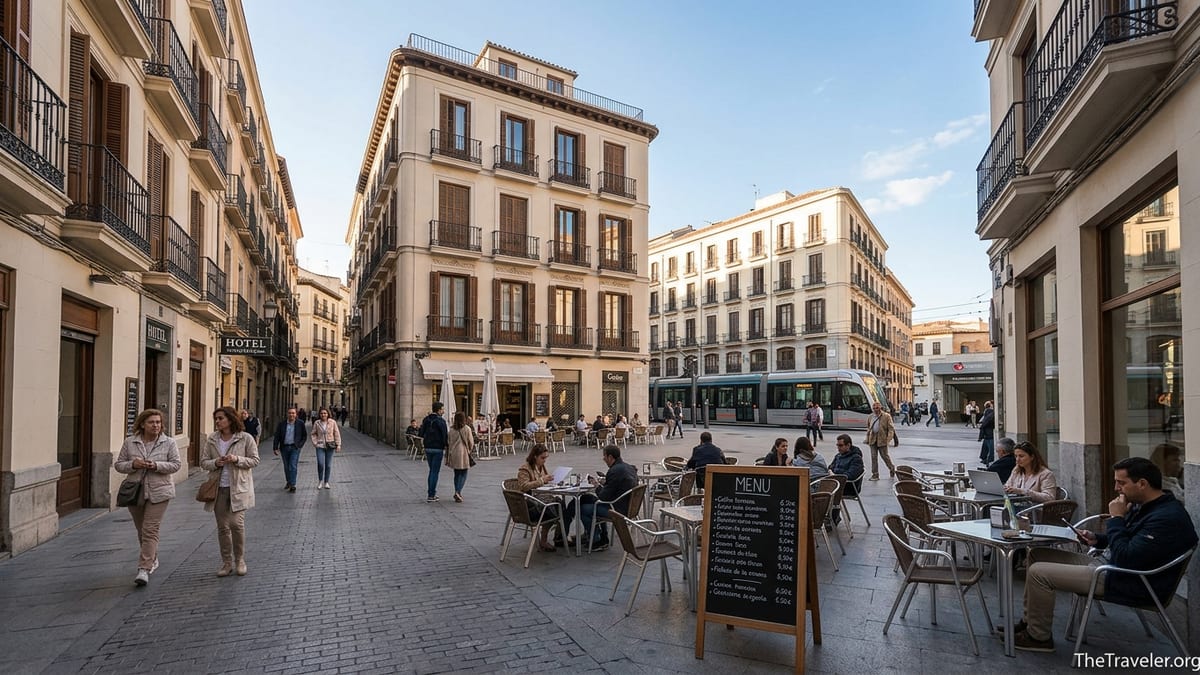
What a Trip to Spain Really Costs in 2026
Recent tourism and cost-of-living data suggest that an average traveler in Spain now spends close to 100 euros per day, including accommodation, food, local transport and activities. That figure blends everything from shoestring hostel trips to luxury city breaks, so it is more useful to look at daily ranges by travel style. Based on multiple pricing datasets and current booking examples, a realistic per-person daily budget (excluding international flights) is roughly 60 to 90 euros for budget travelers, 130 to 220 euros for mid-range travelers and 300 euros or more for luxury travelers.
Those ranges assume you are sharing a room as a couple or with a friend. Solo travelers will almost always pay more per person because hotel rooms and rental cars do not halve neatly. You can still travel cheaply solo by using hostel dorms, buses and take-out food, but a solo mid-range traveler should expect to sit closer to the top of the mid-range band than a couple with the same comfort expectations.
Location matters too. Madrid, Barcelona, San Sebastián, the Balearic Islands and the Costa del Sol’s most popular resorts can run 30 to 50 percent higher than inland cities like Zaragoza or Valladolid and many smaller coastal towns. High summer, Easter week, major football matches and big festivals like Feria de Abril in Seville or San Fermín in Pamplona all push prices up sharply, especially for last-minute bookers.
Seasonality also changes the equation. A three-night mid-range stay in Barcelona in mid-August with a central hotel, a couple of intercity trains and dinners on terraces could easily average 220 to 260 euros per person per day for a couple. The same trip in November, with cooler weather and shorter days but similar activities, might drop to 150 to 180 euros per person per day, mainly because of lower hotel and flight prices.
Hotel and Accommodation Prices Across Spain
Hotel prices in Spain have climbed since 2023 but remain competitive compared with many other Western European countries. Recent hotel pricing trackers show that 3-star properties across Spain often average in the 60 to 120 euro range per night for a double room, while 4-star hotels typically cluster between 100 and 200 euros, depending on city and season. In popular destinations like Barcelona and Madrid during spring and autumn weekends, central 4-star business and boutique hotels frequently quote 180 to 230 euros per night for flexible rates, while the same brand’s property in a secondary city might be under 100 euros.
To see how this plays out in practice, imagine a couple spending three nights in Madrid in May. A simple, clean family-run hostal near Puerta del Sol with a double room and private bathroom can often be found around 80 to 110 euros per night if you book a month or two ahead. A modern 3-star chain hotel in the same area, with a larger room and better soundproofing, may be closer to 130 to 160 euros. Step up to a 4-star hotel with a rooftop terrace and gym in the Salamanca district and nightly prices of 200 euros or more in peak periods are common.
In coastal areas, prices depend heavily on proximity to the beach and the month. On the Costa del Sol in July, a basic studio or one-bedroom apartment within a short walk of the beach in places like Torremolinos or Fuengirola can easily reach 120 to 160 euros per night, while similar properties a few blocks inland might be in the 80 to 110 euro range. On the Costa Brava in August, mid-range seafront hotels in towns such as Tossa de Mar or Llafranc often charge 180 to 250 euros for a double room with breakfast, especially on weekends.
Budget travelers can still find hostel dorm beds in major cities from about 20 to 35 euros per night, with higher prices during summer and major events. Private rooms in hostels or guesthouses often sit between 60 and 100 euros. For travelers staying a week or more in one region, apartment rentals can be cost effective, especially for families. A two-bedroom apartment on the outskirts of Valencia in shoulder season might cost 70 to 100 euros per night, while a similar property near the beach in July is more likely to run 130 to 200 euros.
Trains, Buses and Rental Cars: Getting Around Spain
Spain’s rail network mixes flagship high-speed lines with conventional routes, and competition on the busiest high-speed corridors has pushed some fares down even as average prices creep up. Official monitoring reports put the recent average high-speed ticket on Madrid to Barcelona around the mid-50 euro mark, but that average hides huge variation. Booked well in advance, low-cost operators such as Ouigo, Avlo or Iryo sometimes offer one-way Madrid to Barcelona fares around 15 to 30 euros on less popular departures. On busy Friday afternoons or for last-minute bookings, the same route can exceed 80 to 100 euros in standard class.
Other major high-speed routes tend to be slightly cheaper. Madrid to Valencia or Madrid to Seville can often be found around 30 to 60 euros one-way if booked a few weeks in advance, with occasional promotional tickets below 25 euros. Regional and medium-distance trains are slower but can be very economical. For example, a regional train from Seville to Cádiz or Málaga to Granada may cost around 15 to 30 euros depending on the service and timing. Local commuter-style trains around big cities are cheaper still, often just a few euros per ride and sometimes partially subsidized for longer-term passes.
For budget travelers, long-distance buses remain a useful alternative. Companies operating on routes such as Madrid to Granada, Madrid to Bilbao or Barcelona to Valencia frequently advertise advance fares in the 15 to 30 euro range. The trade-off is time: a Madrid to Barcelona bus can take seven to eight hours versus about two and a half on high-speed rail. Between smaller cities and towns without direct rail links, buses are often the default choice and can be surprisingly comfortable, with onboard Wi-Fi and assigned seating.
Rental car costs in Spain have normalized since the sharp increases seen immediately after the pandemic. In 2026, a compact manual car from a major rental brand often prices around 30 to 45 euros per day in low season and 45 to 70 euros or more in high season, before extras. Automatic transmission, one-way drop fees, additional drivers, and full insurance with low or zero excess can easily add 15 to 30 euros per day. Fuel is another meaningful component: driving a loop from Madrid to Seville, on to Málaga, then Granada and back to Madrid can cover roughly 1,200 to 1,500 kilometers, implying a fuel cost in the order of 120 to 200 euros depending on the car’s efficiency and fuel prices at the time.
Eating and Drinking: Menú del Día to Tasting Menus
Recent cost-of-living surveys show that a simple meal in an inexpensive Spanish restaurant typically averages around 15 euros, with common ranges from 10 to 24 euros depending on the city and location. Spain’s beloved menú del día, the fixed-price weekday lunch menu, has climbed in price but still offers strong value. Industry data from 2024 indicates an average price around 14 to 16 euros nationwide, though in central Barcelona or Madrid it is now very common to see menus posted at 16 to 20 euros, often including a starter, main course, dessert or coffee and a drink such as house wine or water.
For a mid-range sit-down dinner in a non-touristy neighborhood, many locals consider 15 to 25 euros per person a normal spend without wine, or 25 to 35 euros including a glass or two. A couple eating dinner at a bistro in Madrid’s La Latina or Barcelona’s Gràcia, ordering a shared starter, two mains and a bottle of mid-range Spanish wine, might see a bill around 40 to 70 euros, depending on the restaurant and wine choice. In coastal towns, fresh fish and seafood can raise the price: a plate of grilled sardines on the Costa del Sol may be 10 to 15 euros, while a seafood paella for two on a beachfront terrace in Sitges could run 40 to 60 euros or more.
At the high end, Spain’s tasting-menu restaurants and renowned places in San Sebastián, Girona, Madrid and Barcelona can easily cost 120 to 250 euros per person before wine pairings, and significantly more at the most famous venues. These meals are discretionary splurges rather than everyday costs, but they can quickly alter your average daily budget if you plan several in a short trip. A luxury traveler building an itinerary around gastronomy should plan for several days where food and drink alone might reach 200 euros per person or higher.
Breakfast habits also influence your budget. Many mid-range hotels in Spain still include breakfast, but an increasing number charge extra, often 10 to 20 euros per person for a buffet. Stepping out to a local café for a coffee and tostada, churros, or a pastry can cost closer to 3 to 6 euros. Over a week-long stay, choosing cafés instead of hotel buffets can free up 100 euros or more for other experiences for a couple, while still feeling like an authentic part of Spanish daily life.
Attractions, Tours and Beach Destinations
Entry fees to major attractions in Spain tend to be modest compared with many other European countries, but costs add up quickly when you are visiting several in a day. Big-ticket sights such as the Sagrada Família and Park Güell in Barcelona or the Alhambra in Granada now typically charge adult tickets in the range of 15 to 35 euros each, depending on the ticket type and any guided component. Booking official guided tours through these sites or reputable operators often brings the total closer to 40 to 70 euros per person, especially if the tour includes skip-the-line access or small-group guiding.
In Madrid, visits to the Prado, Reina Sofía and Thyssen museums each usually cost around 12 to 20 euros at standard adult rates, with some free evening windows that are extremely popular. Travelers who enjoy museums may find that a full cultural day in Madrid, including three major museums and perhaps a tour of the Royal Palace, can easily involve 50 to 80 euros per person in entrance fees and guiding alone, before food and transport. Guided walking tours in most cities range from tip-based “free” tours to more structured thematic walks around 15 to 30 euros per person.
On the coasts and islands, many of the core attractions are technically free: sunbathing on beaches in the Costa Blanca, strolling the promenades in Málaga or Cádiz, or hiking coastal paths in the Costa Brava. However, practical beach costs arise from sunbed and umbrella rentals, beach bars and parking. In popular Mediterranean resorts in high season, two loungers and an umbrella on a serviced beach can easily cost 15 to 25 euros per day, and beachfront cocktails often run 8 to 12 euros each in top tourist areas. Day trips by boat, such as catamaran cruises around Ibiza or snorkeling excursions off Mallorca, frequently sit in the 50 to 90 euro range per adult, with premium options costing more.
Families and activity-focused travelers should also budget for experiences like flamenco shows in Seville or Madrid, which commonly charge around 25 to 50 euros per ticket for an evening performance, sometimes including a drink. Wine-tasting tours in regions like La Rioja or Ribera del Duero often start around 60 to 120 euros per person for a full day including transport from a nearby city and tasting fees, while simple vineyard visits directly booked with a winery may be much cheaper. Over a week-long vacation, setting aside 20 to 40 euros per day just for attractions and tours is enough for a balanced schedule of both paid sights and free wandering for most mid-range travelers.
Sample Daily Budgets: Budget, Mid-Range and Luxury
Putting all of these elements together, it helps to imagine concrete itineraries. For a budget traveler staying in hostel dorms, cooking some meals and favoring buses or slower trains, a realistic daily spend in most of Spain often falls around 60 to 90 euros. That could look like 25 to 35 euros for accommodation, 20 to 30 euros for food and drink, 5 to 10 euros for local transport and 10 to 20 euros for sightseeing or nightlife. In practice, that might mean a 12-euro menú del día in a smaller city, simple tapas or supermarket food in the evening, and choosing a handful of paid sights rather than all of them.
For a mid-range couple, a common pattern is around 130 to 220 euros per person per day when staying in 3 or 4-star hotels, eating out most meals and using high-speed trains between major cities. A typical day in this bracket could include 80 to 150 euros per couple for a central hotel room, 70 to 100 euros for three meals and drinks, 10 to 20 euros for local transport and taxis, and 30 to 60 euros for tickets or a guided tour. Over a week, that yields a trip budget in the range of 1,800 to 3,000 euros for two people, excluding flights.
Luxury travelers, especially those prioritizing five-star hotels, top-tier dining and private tours, often find their daily costs surpassing 300 euros per person, and 400 to 600 euros is not unusual in big cities or prime coastal resorts. A couple staying in a 400-euro-per-night beachfront hotel on Mallorca in August, booking a private sailing charter one day at 600 euros and dining at a renowned tasting-menu restaurant another night, can easily see individual days where the total spend passes 800 to 1,000 euros. Even on quieter days, taxis, premium cocktails, spa treatments and shopping keep the baseline high.
One consistent pattern that emerges across travel styles is that accommodation and long-distance transport typically consume the largest share of the budget. If you need to trim costs without greatly impacting your experience, stepping down one hotel category or choosing slower trains or buses for one or two segments of your trip often frees up more money than cutting out a few coffees or museum visits. For many travelers, the sweet spot lies in mixing splurges and savings: a few nights in higher-end hotels or special dinners, balanced by simpler stays or picnics in parks on other days.
Saving Money Without Ruining Your Trip
Careful timing and location choices are the most powerful tools for stretching your Spain budget. Arriving a week before or after a major festival or dropping your trip into late April or mid-October instead of peak summer can dramatically reduce hotel rates, especially in Barcelona, Madrid and along the Mediterranean coast. Checking prices across several neighborhoods within a city often shows that moving just two or three metro stops away from the absolute center can knock 20 to 30 percent off accommodation costs while still giving you quick access to the main sights.
Using Spain’s fixed-price lunch culture to your advantage is another easy win. Making lunch your main meal of the day and choosing menú del día where locals eat allows you to sample substantial, multi-course meals at prices that might barely cover a single main dish at dinner. In practice, a traveler might spend 16 euros at a lunchtime menú del día that includes wine and then eat a lighter evening meal of tapas or take-out sandwiches for 8 to 12 euros, rather than reversing those amounts. Over a week, that shift alone can free up enough cash to pay for several museum visits or a day trip by train.
For transport, booking high-speed train tickets as early as your plans allow usually pays off, especially on heavily traveled routes like Madrid to Barcelona or Madrid to Seville where the cheapest tiers sell out quickly. If you have more time than money, consider using a combination of slower trains and long-distance buses, which can drop a 60-euro rail fare to a 20- or 30-euro bus ticket on some routes. Within cities, relying on metro, trams and buses rather than taxis can bring daily transport costs down to a handful of euros, though occasional taxis at night or with luggage are still worth factoring in.
Lastly, be realistic about extras. Many travelers underestimate small, repeated costs such as coffees, bottled water, gelato, beach loungers, rideshare trips and souvenirs. Building a 10 to 20 euro “miscellaneous” line into your daily budget helps avoid surprise overruns. For a typical mid-range traveler, planning on 10 percent of your core daily budget as a flexible buffer usually covers these incidental expenses plus minor price differences between cities or last-minute changes of plan.
FAQ
Q1. How much should I budget per day for a trip to Spain?
Most visitors should plan roughly 60 to 90 euros per person per day for budget travel, 130 to 220 euros for mid-range, and 300 euros or more for luxury, excluding international flights.
Q2. Is Spain still cheaper than other Western European countries?
Spain is generally cheaper than countries like France or the United Kingdom for hotels, restaurant meals and intercity transport, though prime areas of Barcelona, Madrid and the islands can feel similar in price to other major European hotspots.
Q3. How much does a typical meal cost in Spain?
A simple restaurant meal commonly runs 10 to 20 euros, while a menú del día usually costs around 14 to 20 euros. A mid-range dinner with drinks for two at a sit-down restaurant often totals 40 to 70 euros.
Q4. What do hotels cost in major Spanish cities?
In cities like Madrid and Barcelona, central 3-star hotels often cost 100 to 160 euros per night for a double room in popular seasons, while 4-star hotels typically run 160 to 230 euros or more. Cheaper options exist further from the center or in shoulder season.
Q5. Are trains in Spain expensive?
High-speed trains can be very good value if you book early, with some Madrid to Barcelona tickets as low as 15 to 30 euros one way on low-cost operators, but last-minute or peak-time tickets on the same route can exceed 80 to 100 euros.
Q6. Is renting a car in Spain worth the cost?
Renting a car is worthwhile for exploring rural regions, small villages or areas with limited public transport, such as parts of Andalusia or Asturias. Expect roughly 30 to 70 euros per day for a compact car depending on season, plus fuel, tolls and insurance.
Q7. How much money should I plan for attractions and tours?
Most travelers are comfortable setting aside about 20 to 40 euros per day for attractions and tours, enough for one or two paid sights or a guided experience, combined with plenty of free walking, plazas and beaches.
Q8. Are Spanish beach holidays expensive?
They can be if you visit hotspots like Ibiza or Marbella in peak summer, where beachfront hotels and sunbed rentals add up quickly. More modest resorts or travel in June or September can lower costs significantly while still offering warm weather and swimming.
Q9. How can I keep food and drink costs down in Spain?
Eat your main meal at lunchtime with menú del día, avoid restaurants directly on major tourist squares, use local markets and supermarkets for some meals, and choose house wine or beer instead of cocktails when possible.
Q10. How much cash versus card should I bring?
Cards are widely accepted in Spain, including contactless payments, so you do not need large amounts of cash. Carrying 50 to 100 euros for small purchases, markets, tips and occasional cash-only spots is usually sufficient, topping up from ATMs as needed.