


Spain is one of Europe’s easiest and most rewarding countries for a first-time trip, combining big-city energy, historic towns, Mediterranean beaches and year-round sunshine. This guide walks you through the main regions first-time visitors usually consider, how to get around, what things really cost on the ground, and how to put together a realistic itinerary that balances culture, food and relaxation.
Understanding Spain’s Regions on a First Trip
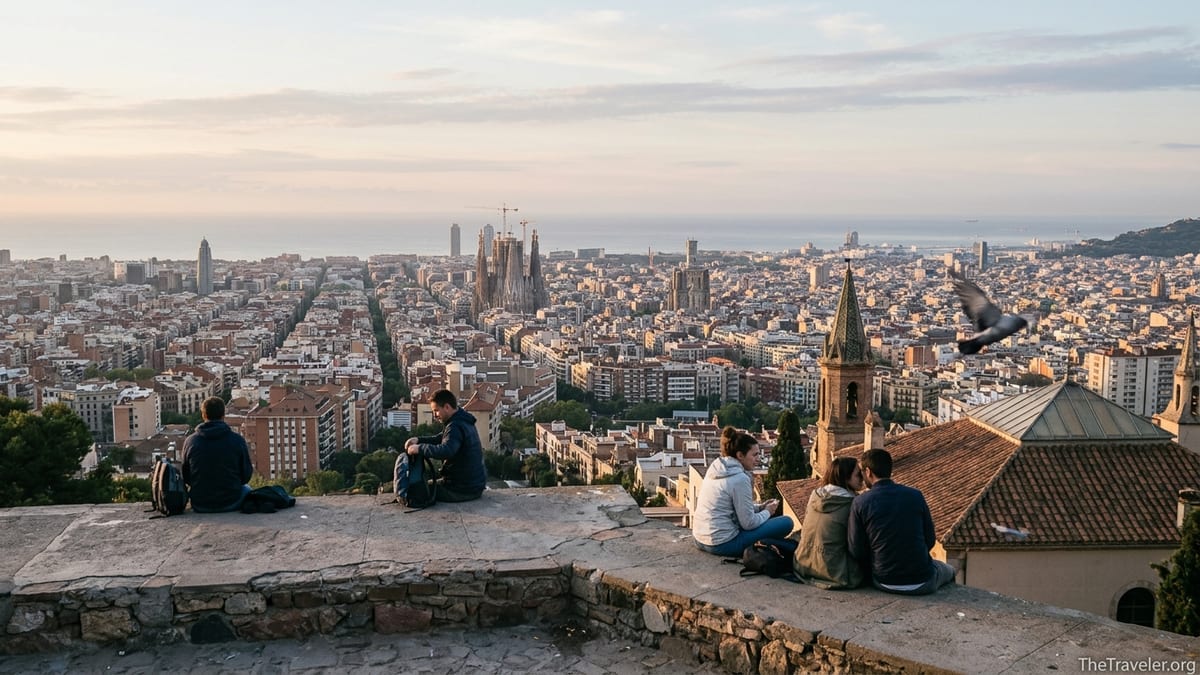
Most first-time visitors focus on a triangle that links Madrid, Barcelona and Andalusia, sometimes adding Valencia, northern Spain or an island stay. Madrid offers grand boulevards, blockbuster museums like the Prado and Reina Sofia, and easy rail links across the country. Barcelona adds Modernist architecture, with Gaudí’s Sagrada Familia and Park Güell, plus city beaches and a strong Catalan identity. Andalusia, with cities such as Seville, Granada and Córdoba, is where many travelers seek Moorish palaces, whitewashed villages and flamenco culture.
Valencia and Spain’s east coast appeal to travelers who want a slightly more relaxed Mediterranean city paired with good beaches. Valencia itself blends futuristic architecture at the City of Arts and Sciences with an old town and a long sandy shoreline at La Malvarrosa. North of Valencia, the Costa del Azahar and Costa Brava offer resort towns and smaller coves, while southwards the Costa Blanca around Alicante is popular with families and sun-seekers.
Northern Spain feels very different, with greener landscapes, Atlantic weather and a more understated tourism scene. Regions like Galicia, Asturias, Cantabria and the Basque Country draw visitors for coastal walks, surfing towns such as San Sebastián, and pilgrim routes like the Camino de Santiago. Finally, Spain’s islands split into the Balearic group in the Mediterranean, including Mallorca, Menorca and Ibiza, and the Canary Islands in the Atlantic off Africa, such as Tenerife and Gran Canaria, known for their year-round mild climate.
On a first trip of about 10 to 14 days, most people choose either a “cities and south” route that links Barcelona, Madrid and Andalusia, or a “Mediterranean and islands” route that focuses on Barcelona, Valencia and a Balearic island. Trying to see every region in one go is rarely practical; distances are long, and hopping between far-flung areas like Galicia and the Canary Islands adds significant travel time and cost.
Madrid: Museums, Neighborhoods and Practical Tips
Madrid works well as a first or final stop because of its international flight connections and central rail hub. Many visitors spend two or three full days here, enough to see the classic sights and adjust to the local rhythm of late dinners and long evenings. A common first-day plan is to walk from the Puerta del Sol through Plaza Mayor, continue to the Royal Palace and Almudena Cathedral, then finish in the La Latina area where tapas bars fill up from around 8 or 9 p.m.
The so-called “Golden Triangle” of art museums sits along the Paseo del Prado. Travelers often pick one or two rather than attempt all three on a short visit: the Prado for Velázquez and Goya, the Reina Sofia for Picasso’s Guernica and modern Spanish art, and the Thyssen-Bornemisza for a broader European collection. Booking timed tickets online is common practice, especially in spring and autumn when queues can build on weekends and public holidays.
Hotel prices in Madrid have risen in recent years, but you can still find mid-range doubles in central neighborhoods such as Huertas, Malasaña or Chueca for roughly 130 to 180 euros per night if booked a few months in advance outside peak trade fairs and major events. More upscale properties around the Salamanca district or along the Gran Vía often start closer to 200 euros per night and rise quickly in busy weeks. Budget travelers frequently look slightly further out, near Atocha station or in Lavapiés, where simple guesthouses and apartments can bring nightly costs under 120 euros.
Madrid is very walkable within the central ring, and the metro is straightforward for longer hops. A single ticket on the metro in the city center typically costs a few euros, and many visitors load a rechargeable transport card to tap in and out. Taxis are regulated and relatively affordable for airport transfers; ride-hailing services also operate, and airport to center journeys usually fall in the 25 to 35 euro range depending on traffic and exact drop-off.
Barcelona and the Mediterranean Coast
Barcelona is often the most in-demand city on a first Spain itinerary, so it is wise to expect higher accommodation costs and busier attractions, particularly from May to October. Typical first-time visits last three nights, giving two full days to explore core sights such as the Sagrada Familia, Casa Batlló, La Pedrera, the Gothic Quarter and the waterfront. Timed tickets for the Sagrada Familia are almost essential in popular months, with morning and late-afternoon slots usually preferred for softer light inside the basilica.
Accommodation in Barcelona ranges from simple pensions in the Eixample district to luxury hotels facing the sea at Barceloneta. Recent hotel barometers show average nightly rates in Barcelona sitting in the high one hundreds of euros for standard double rooms, with simple three-star stays often around 160 to 200 euros in high season and four-star properties climbing above that. To balance cost and noise, many travelers choose Eixample or the area around Passeig de Gràcia for quieter streets while still being walking distance from major sights.
First-time visitors are sometimes surprised that Barcelona’s city beaches, while convenient, feel more urban than postcard-perfect. For a more relaxed stretch of coast, it is easy to take a local train up to towns like Sitges or down to Castelldefels for a day on wider, cleaner sands. Trains run frequently, tickets cost only a few euros each way, and many locals use these routes on summer weekends.
Further down the Mediterranean, Valencia makes a good two- or three-night stop for travelers who enjoy food, design and a slower pace. The city is acknowledged as the birthplace of paella, and traditional wood-fired paella Valenciana is still served in classic restaurants both in the old town and by the Albufera lagoon just outside the city. The long urban beach at La Malvarrosa, combined with bike paths and parks created from the old riverbed, give Valencia a more spread-out, holiday feel compared with Madrid’s dense center.
Andalusia: Seville, Granada, Córdoba and the South
Andalusia is where many travelers feel they have arrived in the Spain of their imagination: orange trees, improvised flamenco in neighborhood bars and ornate Moorish palaces. Seville, Granada and Córdoba are the classic trio for a first visit, often combined with a beach stop on the Costa del Sol or Costa de la Luz. Seville’s cathedral, Giralda tower and Real Alcázar are core sights; in Granada, the Alhambra fortress and Generalife gardens dominate most itineraries; in Córdoba it is the Mezquita, a mosque-cathedral that many visitors consider a highlight of their entire trip.
Because of limited daily capacity, the Alhambra in Granada is one of the few Spanish monuments where advance booking is strongly advisable, especially in spring and autumn. Many visitors report tickets selling out days or even weeks ahead during holidays, so it is common to secure a morning or late-afternoon slot as soon as travel dates are fixed. In Seville and Córdoba, buying skip-the-line or timed-entry tickets online is helpful but less critical outside Holy Week and major festivals.
Andalusia can be significantly hotter than the rest of Spain in summer, with afternoon temperatures above 35 degrees Celsius common in inland cities like Seville and Córdoba, particularly in July and August. Many travelers plan sightseeing early in the morning and after 6 p.m., retreating indoors or to shaded courtyards for the hottest hours. Spring from late March to early May and autumn from late September to early November often provide more comfortable conditions, though they are popular seasons and prices for central hotels in Seville and Granada often climb accordingly.
Nightly accommodation costs vary by city and season, but a central mid-range hotel in Seville or Granada typically falls in the 120 to 180 euro range if reserved ahead of busy dates. In coastal areas like Marbella or Marbella’s neighbors along the Costa del Sol, resort hotels can be considerably higher in peak summer, with beachfront properties charging well over 200 euros per night and upscale resorts in fashionable areas exceeding that by a wide margin.
Northern Spain and the Spanish Islands
Northern Spain appeals to first-time visitors who prefer cooler temperatures, hiking and food-focused travel to crowded beaches. The Basque city of San Sebastián is famous for its pintxos bars, where locals and visitors alike sample small plates lined up on the counters of old town taverns. Nearby Bilbao attracts art and architecture fans with the Guggenheim Museum and its riverside regeneration. Inland, La Rioja offers wine routes that mix vineyard visits with lunches in small hill towns.
Weather patterns in the north are closer to the Atlantic than the Mediterranean. Rain is more frequent year-round, and summers are milder, making July and August popular with travelers trying to escape southern heat. Beach towns along the Costa Verde in Asturias and Cantabria, such as Llanes or Comillas, can be busy on sunny days, but infrastructure still feels more low-key than in the big Mediterranean resorts. Accommodation prices in many northern towns remain slightly lower than in Spain’s major cities, with simple guesthouses and family-run hotels often in the 80 to 130 euro range outside local holidays.
The Balearic Islands in the Mediterranean are a common add-on for first-time visitors who want a beach break. Mallorca offers a mix of resort areas like Palmanova and Magaluf, elegant bays such as Port de Sóller, and a mountainous interior ideal for day hikes. Menorca is quieter, with small coves and white-sand beaches that attract families and couples, while Ibiza combines nightlife around its main town and San Antonio with surprisingly peaceful rural interiors and coves if you move away from clubbing zones.
The Canary Islands, including Tenerife, Gran Canaria, Lanzarote and Fuerteventura among others, are further from mainland Spain but are attractive due to their stable subtropical climate. Winter daytime temperatures often sit in the high teens or low twenties Celsius, which is why many European travelers visit between November and March. For a first trip to Spain, the Canaries are best if you specifically want a winter-sun holiday; otherwise, most itineraries stick to mainland regions and possibly the Balearics due to shorter travel times from cities like Barcelona and Valencia.
Getting Around: Trains, Driving and Domestic Flights
Spain’s fast trains are one of the easiest ways for first-time visitors to move between major cities. High-speed AVE and similar services link Madrid with Barcelona in roughly two and a half to three hours, Madrid with Seville in as little as about two and a half hours, and Madrid with Valencia in around two hours. Tickets vary in price depending on how early you book and the level of flexibility, but advance fares between major cities are often available in the 25 to 70 euro range one way in standard class, with premium seats and last-minute purchases significantly higher.
In recent years, new private operators have joined the state-run Renfe on some high-speed routes, which has increased competition and, in many cases, brought down prices for travelers willing to be flexible with departure times. It is common to search across several operators’ schedules for the same route and day to find a convenient combination of timing and cost. For example, travelers between Madrid and Barcelona often compare early-morning or late-evening departures that may be substantially cheaper than mid-day services, even on the same line.
Renting a car is most useful if you plan to explore rural areas, small villages or combine several coastal towns that lack frequent rail links. On the mainland, off-peak daily rates for a compact manual car can sometimes fall into the low teens of euros per day when booked in advance for shoulder seasons like May or October, while peak summer prices commonly rise, with averages reported around 40 euros per day or more in busy coastal destinations. Large international rental brands operate alongside local firms, and rates can vary widely based on pickup location, automatic versus manual transmission, insurance coverage and extras like child seats.
Driving in Spain is generally straightforward on major highways, which are usually well maintained and clearly signed. Toll roads exist on some routes, though there has been a reduction in toll sections in recent years, and many main corridors are now toll-free. Parking can be more challenging inside historic centers; in cities like Seville or Granada, many travelers choose accommodations with garage options or park in municipal lots at the edge of old towns and walk in. Within Spain, domestic flights can make sense for very long jumps, such as Barcelona to the Canary Islands, but on most mainland corridors fast trains are competitive or faster once you include airport transfers and security time.
Food, Daily Costs and Weather by Season
Eating well in Spain does not have to be expensive. In many cities, a simple breakfast at a neighborhood café of coffee and a toasted baguette with tomato and olive oil often costs only a few euros. At lunchtime on weekdays, look for menus del día, set menus that commonly include a starter, main course, dessert or coffee, and sometimes a drink for a fixed price. In non-touristy neighborhoods these menus can still appear in the 12 to 18 euro range, while in central areas of Madrid or Barcelona prices tend to be higher.
For dinner, tapas-style grazing can be a cost-effective way to sample local specialties, especially in regions like Andalusia or the Basque Country where small bites are the norm. Ordering two or three plates per person and a shared bottle of local wine typically results in dinner bills of around 20 to 35 euros per person in casual restaurants, though waterfront or high-end venues will be higher. In coastal areas, grilled fish, rice dishes and shellfish dominate menus, while inland cities lean more toward stews, cured meats and hearty plates.
Beyond food and lodging, everyday costs such as local transport, museum entries and coffee breaks are moderate by Western European standards. Single-ride metro or bus tickets in big cities usually cost a few euros, and many visitors keep a rough daily budget of about 70 to 120 euros per person excluding accommodation, depending on how much they plan to spend on attractions, drinks and shopping. Tickets to major monuments like the Alhambra, Sagrada Familia or the Royal Palace typically fall somewhere between about 15 and 35 euros for standard adult entry, with guided tours or skip-the-line products costing extra.
Weather is one of Spain’s biggest draws, but conditions vary sharply by region and season. Broadly speaking, late spring and early autumn are often considered the most comfortable times for first-time visitors who want a mix of city touring and some beach time. Summers in inland and southern cities can be extremely hot, which some travelers enjoy if they plan slower days and air-conditioned accommodations, while the northern coast stays milder. Winter is a pleasant time for city breaks in places like Madrid, Seville or Valencia, with cooler but often sunny days, while the Canary Islands draw those looking for near-spring temperatures when much of Europe is cold.
First-Time Planning Tips and Sample Itineraries
When planning a first trip to Spain, many travelers underestimate travel times and overestimate how much they can comfortably see in a week or ten days. A realistic approach is to choose two or three bases and plan day trips from them, rather than packing and unpacking every night. For example, a classic 10-day itinerary might begin with three nights in Barcelona, follow with three nights in Madrid with a day trip to Toledo or Segovia, and end with four nights split between Seville and Granada in Andalusia.
If you prefer the Mediterranean, another 10-day plan could focus on three nights in Barcelona, two nights in Valencia, and five nights on Mallorca or Menorca. In the north, five nights divided between San Sebastián and Bilbao, combined with three in Madrid and two in Barcelona, gives a good taste of the Atlantic side while still touching the big cities. All of these itineraries work best when you cluster sights geographically and use high-speed trains for the main jumps, reserving flights for island legs.
Booking timelines matter, especially for peak travel periods such as Easter week, early summer and the main European holiday months of July and August. For those times, it is sensible to reserve international flights three to six months out, secure key rail tickets a few weeks ahead when possible, and book headline attractions such as the Alhambra and Sagrada Familia as soon as exact dates are known. For shoulder seasons, you can be more flexible, but leaving everything to the last minute in popular areas often pushes you into higher-priced hotel categories or less convenient locations.
First-time visitors should also factor in cultural rhythms. In many smaller towns and non-tourist neighborhoods, shops may close in the early afternoon for several hours, and dinner service often starts later than visitors from northern Europe or North America expect. Planning a light snack in the late afternoon, then sitting down for dinner between 8:30 and 10:00 p.m., usually feels more in step with local habits and helps avoid empty restaurants at early hours.
The Takeaway
Spain is large, varied and well set up for tourism, which makes it both easy and slightly overwhelming for first-time visitors. Rather than trying to “do Spain,” focus on a few regions that match your interests, whether that is art and nightlife in Madrid and Barcelona, palaces and flamenco in Andalusia, coastal life around Valencia and the Balearic Islands, or the greener, food-forward cities of the north. Efficient trains, a wide choice of accommodation and a strong café culture help keep logistics straightforward once you are on the ground.
By understanding typical costs, seasonal weather patterns and the distances involved, you can build an itinerary that feels balanced rather than rushed. With a bit of advance planning for major sights, and a willingness to embrace late meals and long evenings, a first trip to Spain often leads quickly to thoughts of a second, whether to delve deeper into a favorite region or finally explore the parts you left for next time.
FAQ
Q1. How many days do I need for a first trip to Spain?
Most first-time visitors find that 10 to 14 days is enough to see two or three regions without feeling rushed, for example Barcelona, Madrid and part of Andalusia.
Q2. Is it better to take trains or rent a car in Spain?
For major cities like Madrid, Barcelona, Valencia and Seville, high-speed trains are usually faster and easier. Renting a car makes more sense for rural areas, small villages and flexible coastal road trips.
Q3. How much should I budget per day in Spain, excluding flights?
A moderate daily budget, excluding accommodation, is often around 70 to 120 euros per person, depending on how much you spend on activities, restaurant meals and shopping.
Q4. When is the best time of year to visit Spain?
Late spring and early autumn are often the most comfortable for a mix of cities and beaches, while summer is ideal for seaside stays and winter suits city breaks and the Canary Islands.
Q5. Do I need to book major attractions in advance?
It is strongly recommended to reserve timed tickets ahead for very popular sites like the Alhambra in Granada and the Sagrada Familia in Barcelona, especially in peak seasons.
Q6. Is Spain safe for solo travelers?
Spain is generally considered safe for solo travelers, including solo women, though you should still follow common-sense precautions such as watching your belongings in crowded areas to avoid pickpocketing.
Q7. Can I visit Spain without speaking Spanish?
Yes, you can get by using English in most tourist-facing businesses in major cities and resorts, though learning a few basic Spanish phrases is appreciated and can be useful in smaller towns.
Q8. Are Spanish cities walkable?
Central areas of cities like Madrid, Barcelona, Seville and Valencia are very walkable, and most visitors combine walking with short metro, tram or bus rides for longer distances.
Q9. What should I wear when visiting churches and religious sites?
Dress modestly, covering shoulders and avoiding very short shorts, especially in active places of worship. Lightweight layers work well in hot weather while staying respectful.
Q10. Is tap water safe to drink in Spain?
Tap water is generally safe to drink across Spain, though in some coastal or older buildings it may have a stronger mineral or chlorine taste, so many travelers still choose bottled water.