


Northern Spain is one of Europe’s most rewarding regions for a road trip or long weekend, but prices can surprise first-time visitors. San Sebastián’s elegant seafront, Bilbao’s galleries and pintxo bars, the green coast of Asturias and Galicia and the wild Picos de Europa all come with different price tags. This guide breaks down what you can realistically expect to spend in 2026 on hotels, rental cars, fuel, pintxos, restaurant meals, attractions and parking, with concrete examples to help you build a workable daily budget.
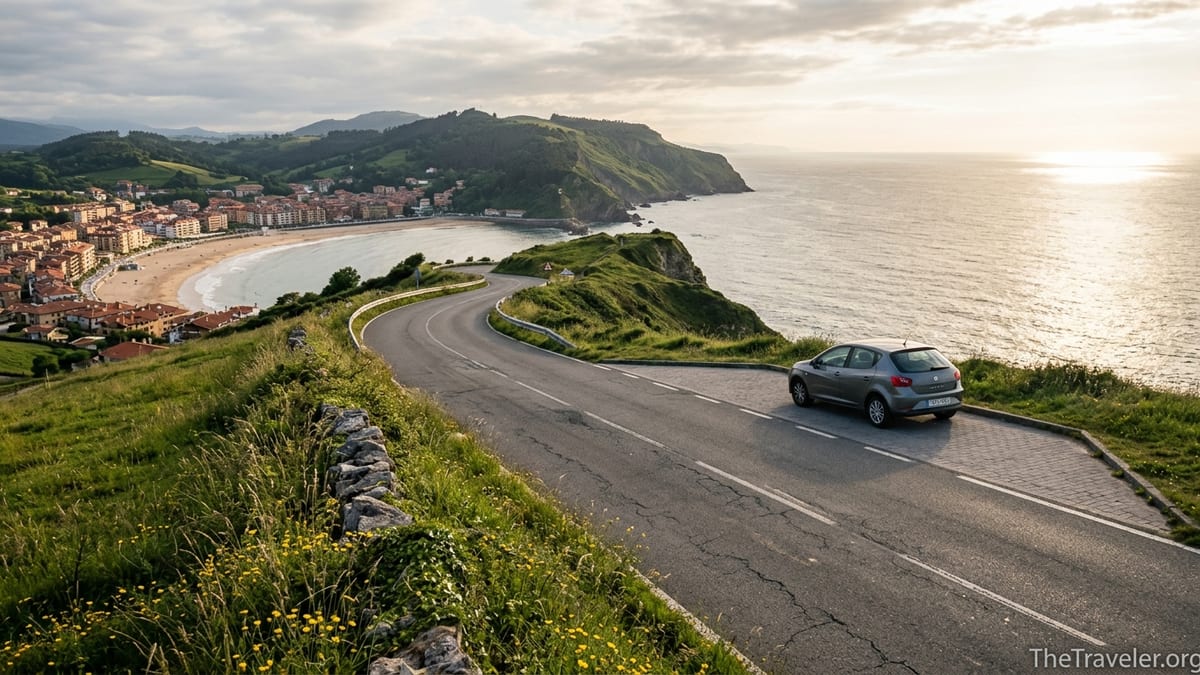
How Much Does a Northern Spain Trip Really Cost in 2026?
Prices in northern Spain vary sharply between hotspots like San Sebastián and quieter stretches of the Cantabrian coast, but some broad patterns hold. In 2026, a midrange traveler can expect to spend roughly 140 to 220 euros per person per day on a road trip, assuming two people sharing hotels and a rental car. That range includes accommodation, car and fuel, food and drink, and a modest sightseeing budget. City breaks without a car can be done for less, while upscale coastal holidays in August will skew higher.
For context, recent pricing data from major hotel search platforms shows average double rooms in San Sebastián around the equivalent of 300 to 350 US dollars per night in high season, with 3 star options often in the 150 to 220 dollar range when booked in advance. In Bilbao, averages tend to sit noticeably lower, with 3 star hotels more commonly in the 90 to 150 euro range outside peak weekends. Quieter destinations like Santander, Gijón, Oviedo or A Coruña still offer central rooms in the 70 to 120 euro bracket if you avoid last minute bookings in August.
Car rental and fuel are the other big variables. In summer 2026, petrol in Spain typically hovers between about 1.70 and 1.95 euros per liter, depending on the station and taxes at the time, which makes long driving days a meaningful part of the budget. Compact rental cars at Bilbao or Santander airports often price from roughly 35 to 60 euros per day in July and August if booked ahead, rising on short notice or for automatic transmissions. Understanding these baseline figures will help you choose between a dense urban stay, a more scenic road trip, or a mix of both.
To make things concrete, this guide assumes prices typical of July and August 2026, with examples from well-known destinations such as Bilbao, San Sebastián, Santander, Gijón, Oviedo and the Picos de Europa gateway towns. Off-season trips between November and March can often shave 20 to 40 percent off accommodation and car rental lines of the budget, while shoulder seasons in May, June, September and early October usually offer the best balance between cost and pleasant weather.
Hotel Prices by Destination and Season
San Sebastián is currently the most expensive overnight stop on many northern Spain itineraries. Recent searches on major booking platforms show average nightly rates for standard double rooms in the city trending around 300 euros in peak season when you average all categories, with midrange 3 star hotels commonly falling in the 150 to 220 euro band and upscale beachfront 4 star options often 300 euros or more in July and August. Booking a 3 star hotel such as a central business-style property a few blocks back from La Concha Bay might run 180 euros on a typical August weekend night if reserved a couple of months early.
Bilbao, in contrast, remains more affordable. Centrally located 3 star hotels near the Guggenheim or in the Abando district often price in the 100 to 150 euro range for summer weekend nights, with simpler pensions or 1 to 2 star guesthouses sometimes starting around 70 to 90 euros. Business hotels on the outskirts, such as chain properties in the Zorrozaurre or airport area, may drop under 100 euros even in August, especially from Sunday to Thursday, though you will trade some convenience on foot.
Along the Cantabrian and Asturian coasts, prices soften further once you leave the marquee resorts. In Santander, 3 star hotels close to El Sardinero beach might cost 110 to 160 euros per night in high season, while inland towns such as Torrelavega or Llanes can offer characterful family-run hotels in the 80 to 120 euro bracket. In Gijón and Oviedo, summer rates for standard 3 star chains often hover around 80 to 130 euros, with occasional deals below that on weekdays. Rural casas rurales, small countryside guesthouses common in Asturias and Cantabria, might charge 70 to 110 euros per night for a double including breakfast outside the very busiest dates.
Season makes a marked difference. A San Sebastián hotel that asks 200 euros for an August Saturday can sometimes be found for 110 euros in mid May or late September. Bilbao business hotels that are 130 euros in July may drop to 80 euros in January. If you travel outside local events like Semana Grande in San Sebastián, the BBK Live music festival in Bilbao, or Easter processions in major cities, you can plan rough nightly accommodation targets of 150 to 220 euros for top-tier hotspots in August, 90 to 150 euros for major cities like Bilbao and Santander, and 70 to 120 euros for secondary towns and rural stays.
Rental Cars, Fuel and Road Trip Costs
For most travelers, a compact rental car is the most flexible way to explore the Basque Country, Cantabria, Asturias and Galicia. In summer 2026, typical prices for a manual compact car collected at Bilbao Airport or Santander Airport range roughly from 35 to 60 euros per day when booked in advance through major international brands or reputable local firms, with smaller local agencies sometimes slightly undercutting that off-airport. Automatic transmissions and SUVs can easily add 10 to 25 euros per day to those figures, and one-way drop fees between, for example, Bilbao and A Coruña, may range from about 50 to 150 euros depending on the company.
Fuel is a significant line item because distances can add up quickly on a week-long itinerary that strings together Bilbao, San Sebastián, the Picos de Europa and the Galician Rías. In mid 2026, regular petrol in Spain typically sits between around 1.70 and 1.95 euros per liter at regular stations, with some discount chains and hypermarkets slightly cheaper and motorway service areas at the upper end. A realistic planning figure of 1.80 euros per liter works well for broad budgeting. A compact rental car might average six liters per 100 kilometers on a mix of motorway and rural roads, so a 200 kilometer day would burn about 12 liters. At 1.80 euros per liter, that translates to roughly 22 euros in fuel for that day’s driving.
On a 7 day loop starting and ending in Bilbao with stops in San Sebastián, Santander, Llanes, Cangas de Onís and Oviedo, you might easily cover 900 to 1,000 kilometers. That equates to roughly 110 to 130 euros in petrol for the week for a fuel-efficient car. Adding a compact rental at about 45 euros per day for high-season dates, a couple would be looking at approximately 315 euros for the car plus fuel of around 120 euros, or roughly 435 euros in total, which equates to a little over 30 euros per person per day when shared between two.
Tolls in northern Spain are more limited than elsewhere in the country, but a few stretches still use them, including some sections near Bilbao and along certain autopistas in Galicia. It is common to spend less than 20 to 30 euros on tolls over a typical week-long route if you mostly follow toll-free autovía highways and only occasionally use faster tolled roads. Parking, which is discussed further below, can add another 4 to 15 euros per day depending on whether you rely on on-street meters, public underground garages or hotel parking facilities.
Pintxos, Restaurants and What You Pay to Eat
Northern Spain’s food scene is a highlight of any trip, and it can be surprisingly good value if you lean on pintxos and set menus rather than fine dining every night. In San Sebastián’s Parte Vieja, individual pintxos on the bar at classic spots might cost between 2.50 and 4 euros apiece in 2026, with slightly higher prices for elaborate hot pintxos prepared to order. A couple sharing six or seven pintxos and two small glasses of txakoli or beer can walk out satisfied for 20 to 30 euros total. In Bilbao’s Casco Viejo, prices are similar or marginally lower, with many bars offering simple bites such as tortilla, croquetas or gilda skewers for around 2 to 3 euros.
For sit-down meals, the traditional menú del día remains a budget-friendly anchor. At neighborhood restaurants in Bilbao, Santander, Oviedo or inland market towns, weekday menus that include a first course, main course, dessert and a drink often range from about 12 to 18 euros per person. In touristy central zones of San Sebastián and around beach promenades, midday menus are more likely to start around 18 to 22 euros, but you still receive generous portions of local dishes like marmitako, fabada asturiana or grilled fish.
Midrange à la carte dinners at casual restaurants typically cost 20 to 35 euros per person before drinks if you share a starter and each order a main. That might cover, for example, a shared plate of grilled octopus and two mains such as grilled hake and slow-cooked beef cheeks at a modern bistro in Gijón, plus bread and water. Add a shared bottle of decent local wine for 14 to 20 euros and perhaps a dessert to share, and the total for two might land around 60 to 75 euros. Upscale tasting menus at renowned restaurants in San Sebastián or Bilbao often start around 90 to 120 euros per person without wine and can go much higher at the most celebrated addresses.
Cafés and casual snacks are moderate. An espresso at a typical bar runs about 1.50 to 2 euros, and a café con leche 2 to 2.50 euros. A simple breakfast of coffee and a pastry might be 3 to 5 euros. Supermarkets and indoor markets provide excellent value for picnic supplies, with quality bread, cheese, cured meats, fruit and a bottle of wine easily assembled for 15 to 20 euros for two. On a typical sightseeing day, a budget-conscious traveler could plan roughly 25 to 35 euros per person for food and still enjoy a mix of pintxos, a sit-down lunch and lighter evening bites, while a more indulgent midrange approach with one restaurant meal and generous snacking might sit closer to 40 to 55 euros per person.
Attractions, Culture and Small Daily Extras
Compared to accommodation and food, sightseeing costs in northern Spain are relatively modest. Many of the region’s best experiences are free or nearly so, from strolling La Concha promenade in San Sebastián and the riverfront in Bilbao to hiking coastal paths near Llanes or the viewpoints above the Picos de Europa. Beach days at spots like Playa de la Zurriola or Playa de San Lorenzo carry no entry charge, though you might pay for optional extras like sun lounger rentals.
Major museums and attractions usually charge a manageable entry fee. The Guggenheim Museum in Bilbao, for example, generally prices adult tickets somewhere around 15 to 20 euros, with discounts for seniors and students and occasional free periods. Smaller museums in cities like Santander, Oviedo or A Coruña may charge 4 to 8 euros, and many religious sites operate on a donation basis. A guided pintxo tour in San Sebastián could cost around 80 to 120 euros per person depending on duration and group size, which is a premium but includes generous food and drink.
Outdoor excursions can add to your budget but are usually optional upgrades. A scenic boat trip around the Bay of Santander or the Basque coast might run 20 to 35 euros per person for a one to two hour outing. Organized small-group day trips from Bilbao to La Rioja wine country or to coastal villages like Gaztelugatxe often fall in the 70 to 110 euro range per person, including transport and tastings. Independent travelers with a rental car can often replicate the route for significantly less, paying only fuel, tasting fees and perhaps a modest parking charge.
Small extras such as public transport tickets, coffees, bottled water and occasional rideshares add up but are easy to plan for. A single metro or tram ticket in Bilbao usually costs around 1.50 to 2 euros, and city buses in places like Santander or Gijón are similar. Taxis within city centers rarely exceed 10 to 15 euros for typical hops, though late-night journeys or airport runs can be more. Building in about 10 to 15 euros per person per day for attractions and incidental spending will be sufficient for many travelers outside heavy tour or activity days.
Parking, City Breaks and Coastal Holiday Budgets
Parking is often underestimated in northern Spain trip budgets, especially for visitors staying in historic centers. In Bilbao, daily parking in a central underground garage can easily cost 15 to 25 euros, and hotel parking is often priced at a similar level per night. San Sebastián’s central car parks are comparable, and on busy summer weekends it is not unusual to see public garages fill up near midday. Some travelers leave their car in less central areas or at their accommodation outside the old town and use buses or walking to reach key sights, saving several euros a day.
On the Cantabrian and Asturian coasts, more hotels and guesthouses offer free or low-cost onsite parking, especially outside the densest town centers. Public lots near popular beaches sometimes charge between 3 and 8 euros per day in high season, but smaller coves or rural stretches may remain free. Inland destinations such as Cangas de Onís or Potes, which serve as gateways to the Picos de Europa, often provide municipal lots that cost just a few euros for several hours, making it more manageable for hikers and day trippers.
City breaks without a car naturally sidestep these costs. A three-night stay in Bilbao in May, for instance, might involve a centrally located 3 star hotel at 120 euros per night, food spending of roughly 40 to 55 euros per person per day and 10 euros per day on public transport and museum entries. For a couple, that could translate to about 360 euros for accommodation, 240 to 330 euros for food and 60 euros for transport and attractions, resulting in a total of roughly 660 to 750 euros for the trip, or 110 to 125 euros per person per day.
Coastal holidays in August are typically the priciest version of a northern Spain trip. A family renting a 2 bedroom apartment in San Sebastián or on the outskirts of Santander might pay 200 to 350 euros per night in peak dates, but they can save with self-catering, cooking many meals and driving less. A couple staying in a 3 star hotel by the beach in Gijón in late June might face nightly rates of 120 to 160 euros, adding daily restaurant and leisure spending of around 80 to 100 euros together, for an overall daily total of around 200 to 250 euros.
Sample Daily Budgets: Road Trips vs City Stays
To translate all of these data points into practical planning, it helps to think in three budget tiers. A budget-conscious road tripper sharing costs with a partner might target around 90 to 130 euros per person per day in summer. That could include 80 to 120 euros per night for a double room in secondary towns or rural stays, 15 to 25 euros per person per day for the rental car and fuel, 25 to 35 euros per person for food and 5 to 10 euros per person for attractions and extras. This level assumes careful hotel selection, frequent use of pintxos and menus of the day, and limited paid excursions.
A comfortable midrange road trip budget sits roughly between 140 and 220 euros per person per day. Here, you might choose 3 star or well-rated boutique hotels in Bilbao, Santander or Gijón at 110 to 160 euros per night, sprinkle in a San Sebastián stay at 180 to 220 euros for a night or two, upgrade restaurant choices, and allow for one or two guided tours or boat trips. Daily food spending per person at this level might run 35 to 55 euros, with car and fuel about 20 to 30 euros per person, and 10 to 20 euros for activities and local transport.
For an upscale experience that still falls short of full luxury, daily costs can rise to 250 to 350 euros per person or more, especially if you favor seafront 4 star hotels in San Sebastián, frequent tasting menus and winery visits, and private guided excursions. On such a trip, a couple could easily allocate 250 to 350 euros per night to accommodation for key stops, 60 to 80 euros per person per day to food and drink, and 20 to 40 euros per person to activities, spa sessions or premium experiences like small-group sailing trips or gourmet food tours.
City breaks without a car often come out cheaper per day. A budget city traveler might manage on 70 to 100 euros per person in Bilbao or Oviedo, staying in a simple pension or budget chain hotel and relying on pintxos, bakeries and the occasional menú del día. A midrange urban budget, featuring a 3 star city-center hotel, one full restaurant meal per day, bar-hopping, museum entries and occasional taxis, would likely fall between 110 and 160 euros per person per day. Coastal city trips to San Sebastián trend toward the upper end of these ranges due to higher hotel prices.
The Takeaway
Northern Spain is not a uniform budget destination, but with realistic expectations and a bit of planning, it offers excellent value for the quality of food, landscapes and culture you receive. The key is understanding how much costs jump in San Sebastián and in August, and how much you can save by combining those expensive nights with more affordable bases in Bilbao, Santander, Gijón, Oviedo or rural towns. Car rentals and fuel are predictable once you plug in rough per-liter prices and distances, and everyday pleasures like coffees, pintxos and beach days remain relatively affordable compared to many other Western European regions.
For most travelers in 2026, planning roughly 90 to 130 euros per person per day for a budget-conscious road trip, 140 to 220 euros for a comfortable midrange experience, and 250 euros or more for an upscale holiday will yield a realistic framework. From there, you can fine-tune based on your accommodation standards, how often you dine in full-service restaurants and how many guided experiences you want to book. With numbers in hand, you can concentrate on the real reason to come: misty green mountains tumbling down to the Bay of Biscay, plates of just-caught fish, and evenings spent wandering between pintxo bars as the sun sets late over the Atlantic.
FAQ
Q1. Is northern Spain cheaper than Barcelona or Madrid for travelers?
In general, everyday costs like coffee, set lunches and local transport are similar or slightly cheaper, but accommodation in hotspots like San Sebastián can rival or exceed central Barcelona and Madrid in high season, especially for seafront hotels and popular August dates.
Q2. How far in advance should I book hotels for an August road trip?
For August stays in San Sebastián, Bilbao and major beach towns, booking three to six months ahead is advisable for the best choice of midrange hotels and apartments. Rural areas and inland cities can often be booked one to two months in advance, though earlier bookings usually secure better rates and options.
Q3. Can I visit northern Spain without renting a car and still see the coast?
Yes, it is possible using trains and buses between major cities like Bilbao, Santander, Gijón and A Coruña, but some smaller coastal villages and hiking areas are harder to reach. Without a car, plan to focus on a few hubs connected by public transport and use local buses and occasional taxis for nearby side trips.
Q4. How much should I budget for pintxos in San Sebastián per evening?
A typical evening of bar-hopping with six to eight pintxos and a couple of small drinks might cost 20 to 35 euros per person, depending on how many bars you visit and whether you choose simpler bites or more elaborate creations from the hot menu.
Q5. Are tolls a major expense on a northern Spain road trip?
For most routes that stick to the main autovía highways along the Cantabrian coast and inland, tolls are a relatively minor expense. Many travelers spend under 20 to 30 euros on tolls over a week, although this can rise slightly if you choose faster tolled sections or drive into regions with more toll roads.
Q6. How do prices change between high season and shoulder season?
Hotel rates can drop by 20 to 40 percent between peak August dates and shoulder months like May, June, September and early October, while car rental prices also soften. Food and everyday costs change less, though some seaside businesses may run more specials outside the busiest weeks.
Q7. What is a realistic daily food budget if I avoid fine dining?
If you rely on café breakfasts, menus of the day for lunch, and pintxos or simple dinners, a realistic food budget is around 25 to 35 euros per person per day. Adding a full restaurant dinner with wine most days raises this to roughly 40 to 55 euros per person.
Q8. Are coastal apartments better value than hotels?
For families or groups, apartments often offer better value, especially in peak season, because you share the nightly cost and can cook some meals. For couples in July and August, simple 3 star hotels or guesthouses can be competitive, particularly in cities with a wide range of accommodation.
Q9. How much cash do I need, or can I rely on cards?
Card payments are widely accepted across northern Spain, including in most bars, restaurants and attractions. It is still wise to carry 20 to 50 euros in cash for small purchases, rural bars, markets or parking meters that may not accept cards.
Q10. Is travel insurance worth it for a northern Spain road trip?
While not mandatory, travel insurance is useful for covering potential issues such as car rental excess, medical expenses, trip interruptions and lost luggage. Policies are usually inexpensive relative to overall trip cost and can provide peace of mind, especially on longer road trips that cross multiple regions.