


Northern Spain runs from the Basque Country through Cantabria and Asturias to Galicia, tracing the cool, green edge of the Bay of Biscay. It feels like a different country compared with the baking Mediterranean: rugged Atlantic beaches, misty hillsides, and the limestone walls of the Picos de Europa. Choosing when to go is less about avoiding extreme heat and more about striking the right balance between sunshine, sea temperatures, hiking conditions, crowds and price. This guide walks through northern Spain month by month so you can decide when it will suit you better than Spain’s hotter Mediterranean coast.
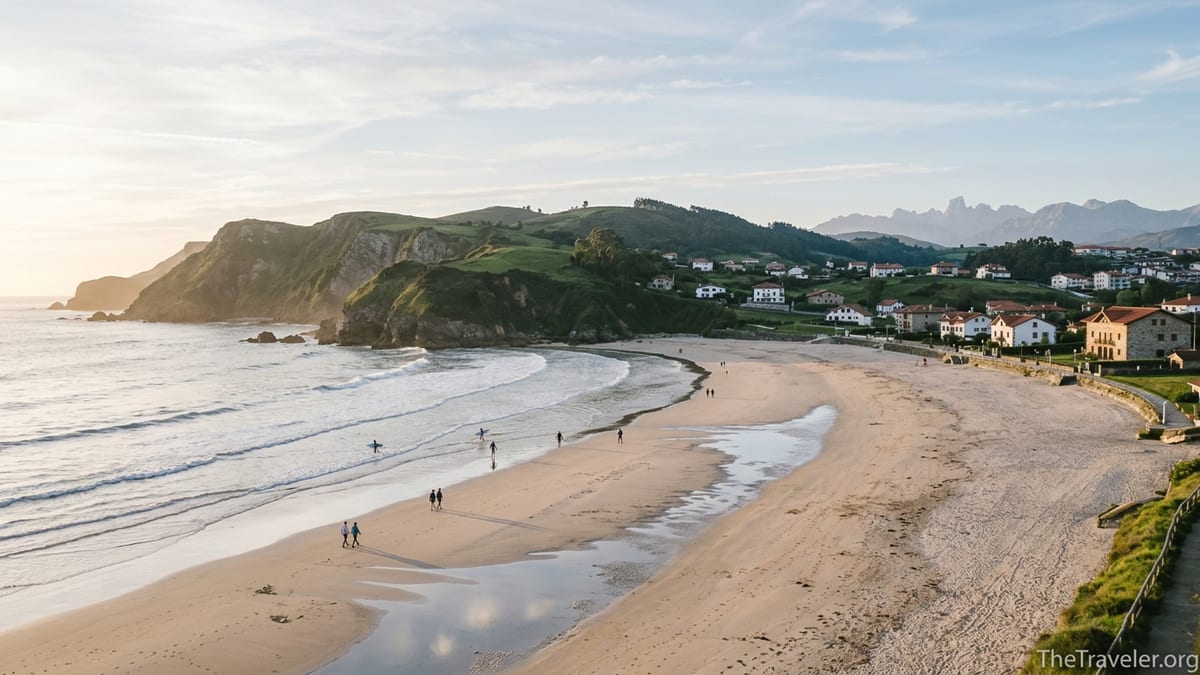
How Northern Spain’s Climate Compares to the Mediterranean
The Atlantic coast of northern Spain has an oceanic climate, which means relatively mild temperatures year-round and rain spread through the seasons rather than concentrated winter storms. In cities like Santander and San Sebastián, average highs in January usually sit around 12°C to 14°C and in August around 22°C to 24°C, far cooler than many Mediterranean resorts that regularly exceed 30°C in high summer. Even in heatwaves, northern coastal cities typically peak lower than inland Spain, which is why many Spaniards head north in July and August when the south becomes oppressive.
The trade-off for cooler temperatures is cloud and rain. San Sebastián and much of the Cantabrian coast see frequent overcast days and significant annual rainfall. Summer is still the driest period, but showers can arrive at any time. For beach travelers this means you plan for a mix of sunbathing and coffee breaks under covered terraces. For hikers in the Picos de Europa or along the Camino del Norte, it means packing lightweight rain gear and quick-drying shoes even in July.
Sea temperatures lag behind the air. Along the Bay of Biscay, water is brisk in spring and only becomes widely swimmable from roughly late June to September, with typical summer sea temperatures around the high teens to low 20s Celsius. This can feel cool compared with the Mediterranean’s bath‑warm coves, but on hotter afternoons the fresher water is exactly what many walkers and surfers want after a long day on the trail.
Compared with Costa del Sol or Costa Brava, where high season often stretches from late May into October, northern Spain’s core tourist season is shorter, centered on July and August with shoulder activity in late June and September. That condensed peak concentrates both crowds and prices into a narrower window, which has a big impact on accommodation costs on the coast and along the Camino routes.
January to March: Quiet Coastlines and Wintry Picos
From January through March, northern Spain is at its quietest. Daytime temperatures on the coast usually hover between 10°C and 15°C, with quite a few grey, wet days. Beach towns such as Zarautz, Laredo or Ribadesella feel very local: promenade bars open for residents, fewer surf schools in operation, and limited lifeguard coverage. It is not beach‑bathing season, but you will see hardy surfers in full wetsuits at spots like Mundaka or Playa de Somo taking advantage of powerful winter swells.
Inland, the Picos de Europa are in full winter mode. Higher trails near Fuente Dé, Lagos de Covadonga or the central massifs can be snow‑covered or icy, and some routes are only advisable with winter mountaineering experience or a guide. The cable car at Fuente Dé can close temporarily in bad weather, so flexibility is essential if you are hoping to reach high viewpoints. Lower‑elevation valley walks, such as riverside trails in the Liebana Valley, are more realistic for most visitors at this time.
For the Camino, only a minority of pilgrims tackle the Camino del Norte in deep winter. Those who do tend to be experienced long‑distance hikers prepared for persistent rain and shorter daylight. Some coastal albergues and small pensions close between November and March, so you may need to plan stages around open accommodation and occasionally opt for private guesthouses. The benefit is near solitude on typically busy stretches like San Sebastián to Zarautz.
Prices in this period are at their lowest. In January you can often find good midrange hotels in cities such as Bilbao, Oviedo or A Coruña for roughly half of what they cost in August, and even well‑located apartments with sea views can be surprisingly accessible. If your priority is cooler weather for urban exploring, food and wine rather than beaches, winter can work well, but first‑time visitors usually find more value from April onward.
April and May: Spring Green, Unstable Skies and Ideal Hiking
Spring is when northern Spain starts to shine for hikers and anyone who prefers cooler conditions to heat. In April, coastal highs typically reach around 15°C to 18°C, rising into the high teens and low 20s by May. Hillsides in Asturias and Cantabria turn vividly green, and apple orchards in cider‑producing zones around Villaviciosa come into bloom. Rainfall remains frequent, especially in April, but sunny breaks grow longer and more reliable.
In the Picos de Europa, valley trails become comfortably walkable from April, while high mountain routes gradually open in late spring depending on that year’s snow. By May, classic hikes such as the Cares Gorge between Poncebos and Caín are usually accessible for regular hikers, and you can combine them with overnight stays in small inns in Arenas de Cabrales or Posada de Valdeón without fighting peak‑season crowds. Daytime temperatures in the valleys commonly sit in the mid‑teens to low 20s, excellent for sustained hikes with a light fleece and packable shell.
For the Camino del Norte, late April to early June is widely seen as one of the best periods. Services along the route are mostly open, there is enough pilgrim traffic for a social atmosphere, but dorms in popular albergues such as those near Zarautz or Llanes still rarely fill before late afternoon. You might pay around moderate shoulder‑season rates for private rooms in coastal guesthouses, especially outside Spanish holiday weeks. This period works very well if you want to balance hiking comfort, occasional beach walks and reasonable prices.
Beachgoers should temper expectations in spring. On warmer May afternoons you may enjoy sunbathing on Playa de la Concha in San Sebastián or Playa de Silencio in Asturias, but the water is still cool and overcast days are common. Think coastal walks, café terraces and the occasional brave dip rather than guaranteed beach weather. If you primarily want reliable swimming and all‑day sun, you would still be better off on the Mediterranean until late June.
June to August: Peak Beaches, Warmest Seas and Busier Trails
From mid‑June to late August, northern Spain becomes the country’s summer escape valve. Coastal temperatures generally range from the low to mid‑20s Celsius, with occasional warmer spells, and this is the driest, sunniest period of the year. For beach lovers, this is the time when northern Spain truly competes with the Mediterranean, especially if you value cooler air and green backdrops over guaranteed blue skies every day.
Sea temperatures rise into the high teens and low 20s during July and August. Beaches such as Playa de Bikinis in Santander, Playa de Rodiles near Villaviciosa, and the long urban sands of Gijón or San Sebastián fill with families from late morning to early evening. Surf schools run full programs, lifeguards are on duty on major town beaches, and chiringuitos open on or near the sand. It is still possible to find more tranquil spots by walking ten or twenty minutes from car parks, for instance to coves west of Llanes or around Cudillero, but expect company almost everywhere on sunny weekends.
The Picos de Europa are at their most popular in July and August. Mountain villages like Potes and Cangas de Onís can feel crowded, and parking near key trailheads or cable cars often fills by mid‑morning. In return, you get the broadest trail access and the longest days: classic routes such as the lakes circuit at Covadonga or balcony trails above Fuente Dé are usually free of snow, and you can comfortably hike in shorts and a T‑shirt with a light layer in your pack. Afternoon thunderstorms and short, sharp showers are still possible, so early starts remain sensible.
These months are also peak season for the Camino del Norte. The trail remains cooler than the inland Camino Francés, which can be extremely hot in July and August, so many pilgrims who dislike high heat choose the northern route at this time. That means more competition for beds in municipal and donativo albergues, particularly around beach towns and big cities like Bilbao and Santander. Pilgrims sometimes start walking at dawn to secure a spot by early afternoon. Prices of private rooms along the coast are at their highest, and popular seaside villages may require advance booking, especially in August when Spanish school holidays are in full swing.
If your priority is cooler weather than the Mediterranean while still having genuine summer beach days, this is the optimal window. Expect to pay more and share the experience with many others, but enjoy warm evenings eating pintxos in San Sebastián without needing a jacket and long twilight views from clifftop paths near Luarca or A Coruña. For visitors who dislike crowds or want lower prices, late June and early September often provide a softer compromise.
September and October: Golden Shoulder Season for Hikers and Pilgrims
September and early October provide many travelers with their ideal mix: cooler, less crowded and still relatively dry. On the coast, September highs usually sit in the low to mid‑20s Celsius, with sea temperatures still warm from the summer. You can comfortably swim at urban beaches like Santander’s El Sardinero or surf at Zarautz in a lighter wetsuit, yet by midweek you may find plenty of space on the sand and easier parking than in August.
In the Picos de Europa, September is often considered one of the best hiking months. Trails around Fuente Dé, Sotres and Bulnes are typically snow‑free, temperatures in the valleys hover around the high teens to low 20s during the day, and the light starts to soften into autumn. There can be a slight uptick in rainfall later in the month and into October, but many days are clear and stable. Rural guesthouses and mountain inns often introduce lower shoulder‑season rates, making it a good time to base yourself for several days of walking rather than moving on every night.
For the Camino del Norte and coastal sections of the Camino Primitivo, September brings a pleasant reduction in crowds after the August peak while maintaining long daylight hours. You are more likely to find a bed without racing to arrive by early afternoon, and coastal towns remain lively but not jammed. Many veteran pilgrims recommend starting the northern routes in early or mid‑September for this reason. By October, some smaller coastal albergues may begin to close for the season, particularly later in the month, so checking opening dates becomes important if you are planning a full route.
October also marks the beginning of more changeable weather. On the coast, highs trend down toward the mid‑teens by the end of the month, with more frequent rain and wind off the Atlantic. Beach days are rarer and tend to be short and opportunistic. Inland forests in Asturias and Galicia take on autumn colors, which can be particularly beautiful for photographers around oak and chestnut woodlands. If you are willing to manage some wet days, this can be a rewarding, quieter window for both cultural travel and shorter hikes.
November and December: Stormy Seas and Atmospheric Cities
Late autumn into early winter is off‑season along the northern Spanish coast, but it can still work for certain types of trips. Temperatures in November often sit around 12°C to 16°C on the coast, dropping a little further in December, and rain becomes frequent. Strong Atlantic systems bring dramatic waves to cliffs and promenades, which attract photographers and surfers in thicker winter suits to breaks like Meñakoz in the Basque Country or Pantín in Galicia. Swimming without a wetsuit is generally unappealing by this point, and beach infrastructure is minimal.
In cities, this period feels relaxed and local. San Sebastián’s pintxo bars remain busy at weekends even as tourist numbers fall; Bilbao’s museums are more comfortable to visit without summer lines; Oviedo and A Coruña pivot toward cozy cafés and cider houses. Hotel prices are usually low except around major holidays and long weekends. It is easy to find central rooms at rates significantly cheaper than in high summer, which can make an off‑season gastronomic city break very good value if you are not chasing sun.
The Picos de Europa shift steadily back into winter conditions over November and December. Low‑level hikes in valleys remain possible for much of November, but days are short and weather can deteriorate fast at higher elevations. Serious mountain routes increasingly require winter equipment and experience or a guide. Many rural accommodations either close or move to weekend‑only schedules, so advance checking is crucial if you want a quiet hiking base.
Few people choose to start the Camino del Norte in late November or December. Some pilgrims do walk year‑round, but expect limited open albergues, heavy rain at times and the need for warm layers. For most travelers looking for northern Spain’s beaches, hiking or Camino routes, it makes more sense to aim between April and October.
When Northern Spain Beats the Mediterranean Coast
Northern Spain comes into its own whenever heat and crowds in the Mediterranean become a concern. In July and August, while inland Andalusia and much of the Costa del Sol often see temperatures well above 30°C, the Cantabrian coast usually stays in the mid‑20s, with cooler nights and the option of forested shade a short drive inland. If you want to hike major routes in summer without risking scorching afternoon temperatures, trails in the Picos de Europa or along the Camino del Norte are far more comfortable than many southern options.
The region is also favorable for travelers who prefer mixed itineraries rather than pure beach holidays. It is easy to combine a few days of urban culture and food in Bilbao or San Sebastián with hikes in nearby hills and swims at city beaches. For example, in June you might spend a morning at the Guggenheim Museum, enjoy a seafood lunch in Getaria, and finish the day with a walk along Zarautz’s promenade at sunset, all in mild early‑summer temperatures.
For serious hikers and pilgrims, late spring and early autumn highlight the region’s advantages. In May or September you can walk full days on the Camino del Norte wearing light layers, with manageable ascents, regular coastal breezes and evenings cool enough for restful sleep. In the Picos de Europa, ridge walks and balcony paths feel safer and more enjoyable at 18°C than at 30°C, with less dehydration risk and fewer afternoon thunderstorms than in high summer in some continental ranges.
Budget‑minded travelers also gain from choosing northern Spain outside the August peak. While high‑end seaside hotels still command significant rates, you can often find simple hotels or private rooms in pensions in towns like Ribadesella or Viveiro in June or September for prices that compare favorably to popular Mediterranean resorts in the same months. Car rental and internal flights also tend to be more affordable outside main Spanish school holidays, making it easier to piece together multi‑region trips that start or end in the north.
Planning Tips by Interest: Beaches, Picos and Camino Travel
If your main focus is the beach, the sweet spot on the northern coast runs from late June to early September, with July and August offering the warmest seas and the most consistent lifeguard coverage and services. Families might favor the first half of July or early September to balance reliable swimming weather with slightly thinner crowds. Beach towns such as Llanes, San Vicente de la Barquera and Noja have plenty of accommodation, but in August sea‑view apartments and central hotels can sell out weeks in advance and command significantly higher rates than in June.
For hiking in the Picos de Europa, the best window typically stretches from late May through October, adjusting for that year’s snow and rain. Those who value quieter trails and moderate temperatures might lean toward June or September. Visitors focused on iconic high‑mountain scenery, like the viewpoints above Covadonga Lakes or the balcony paths near Fuente Dé, should track local conditions and be ready to adapt; heavy rain can temporarily close some facilities or make exposed trails unsafe even in midsummer.
Camino pilgrims choosing the northern routes should match timing to their tolerance for rain, heat and company. May, June and September usually provide the most balanced conditions, with comfortable walking temperatures, enough fellow pilgrims for a social atmosphere, and a lower risk of full albergues than in peak summer. July and August work well for walkers who want warm afternoons for swimming and do not mind early starts and busier dorms. April and October can be excellent for those chasing solitude and cooler air, provided they accept higher chances of unsettled weather and check that key services are open.
Whatever your priorities, packing for northern Spain means planning for variability. Even in August, include a light fleece or sweater, a compact waterproof jacket and footwear suitable for wet pavement or muddy trails. In spring and autumn, quick‑drying hiking clothing, a small umbrella for city days and a dry bag for electronics make it easier to enjoy the region’s changing skies without stress.
FAQ
Q1. What is the single best month to visit northern Spain for a mix of beaches and hiking?
For most travelers, September is the best compromise: the sea is still relatively warm, trails in the Picos de Europa are usually clear, crowds thin compared with August and accommodation prices begin to ease.
Q2. When is the water warm enough for comfortable swimming on the north coast?
Many visitors find the Bay of Biscay comfortably swimmable from late June through early September, with July and August offering the warmest sea temperatures and the most consistent beach services.
Q3. Which months are best for hiking in the Picos de Europa without snow on most trails?
Late May to October generally offers the widest access to snow‑free routes, with June and September often providing the best balance of stable weather, moderate temperatures and fewer crowds.
Q4. Is July or August better for walking the Camino del Norte if I dislike heat?
Both months are warm but rarely as hot as inland Spain. July usually has slightly fewer people than August and can feel a bit less busy, while August benefits from fully open services but is the most crowded and expensive.
Q5. Are April and May too rainy for a first trip to northern Spain?
April and May do see changeable weather and showers, but they are also very green and atmospheric months with cooler temperatures and lighter crowds. They suit travelers who prioritize hiking, city visits and food over guaranteed beach days.
Q6. How far in advance should I book accommodation in July and August?
In smaller beach towns and key Camino stages, it is wise to book popular places several weeks ahead for July and particularly for August, especially on weekends and around Spanish public holidays.
Q7. Is winter a good time to visit northern Spain for cooler weather than the Mediterranean?
Winter is certainly cool and less crowded, but it is also the wettest, darkest period with limited beach infrastructure and some rural closures, so it works better for short city breaks than for beaches or long hikes.
Q8. When do prices drop noticeably compared with the August peak?
Prices usually start easing in the first half of September, with bigger drops from late September onward. June also tends to be cheaper than July and August while still offering a summery feel on the coast.
Q9. Which months feel most similar to a Mediterranean summer but with cooler air?
Late June, July and August on the Cantabrian coast deliver a classic summer atmosphere with busy beaches and long evenings, yet daytime highs usually remain several degrees cooler than in many Mediterranean resorts.
Q10. If I only care about hiking and do not plan to swim, should I avoid high summer?
Not necessarily, but many dedicated hikers prefer late May, June or September, when temperatures are milder, trails in the Picos de Europa and along the Camino del Norte are less crowded and accommodation is easier to find at moderate prices.