

Northern Spain packs an unusually dense mix of ingredients into a relatively compact strip of coast. Within a single road trip you can eat Michelin level pintxos in San Sebastián, explore cutting edge art in Bilbao, surf beside historic promenades in Santander and Gijón, hike alpine trails in the Picos de Europa and finish with seafood and white wine above Atlantic inlets in the Rías Baixas. This guide compares the main destinations and smaller towns so you can decide where to focus limited days and budget.
How to Think About Northern Spain as a Destination
For trip planning, it helps to see Northern Spain as three overlapping experiences: food and culture cities, wild Atlantic and Cantabrian coastline, and the mountain spine of the Picos de Europa. Many travelers fly into Bilbao or Santander, rent a car and follow the coast west toward Asturias and Galicia, adding detours inland to the peaks. One week gives you a taste. Ten to fourteen days allows a more relaxed loop that can include Santiago de Compostela and the Rías Baixas.
Driving times are shorter than many visitors expect. Bilbao to San Sebastián is about one hour and fifteen minutes by motorway. Santander to Gijón is roughly two and a half hours along the A-8, not counting photo stops for cliff viewpoints or fishing villages like San Vicente de la Barquera and Llanes that many recent road trip reports single out as highlights. Renting a compact manual car typically starts around 35 to 45 euros per day in shoulder season, with automatic cars often 15 to 25 euros more.
Weather is milder and wetter than in Madrid or Andalucía. Summer highs along the Basque, Cantabrian and Galician coasts tend to sit in the low to mid 20s Celsius, and showers are common even in July and August. That cooler climate keeps landscapes very green and makes active days of hiking or city wandering more comfortable, but it also means being prepared with light waterproof layers and flexibility to shuffle beach and mountain days.
Costs vary between regions. San Sebastián has food and hotel prices closer to major Western European cities, especially around its Michelin restaurants. Smaller towns in Cantabria, Asturias and rural Galicia can be noticeably cheaper, with good value menú del día lunches still common in the 14 to 20 euro range including starter, main, dessert and wine in many local bars.
San Sebastián: Food Capital and Beachfront City Break
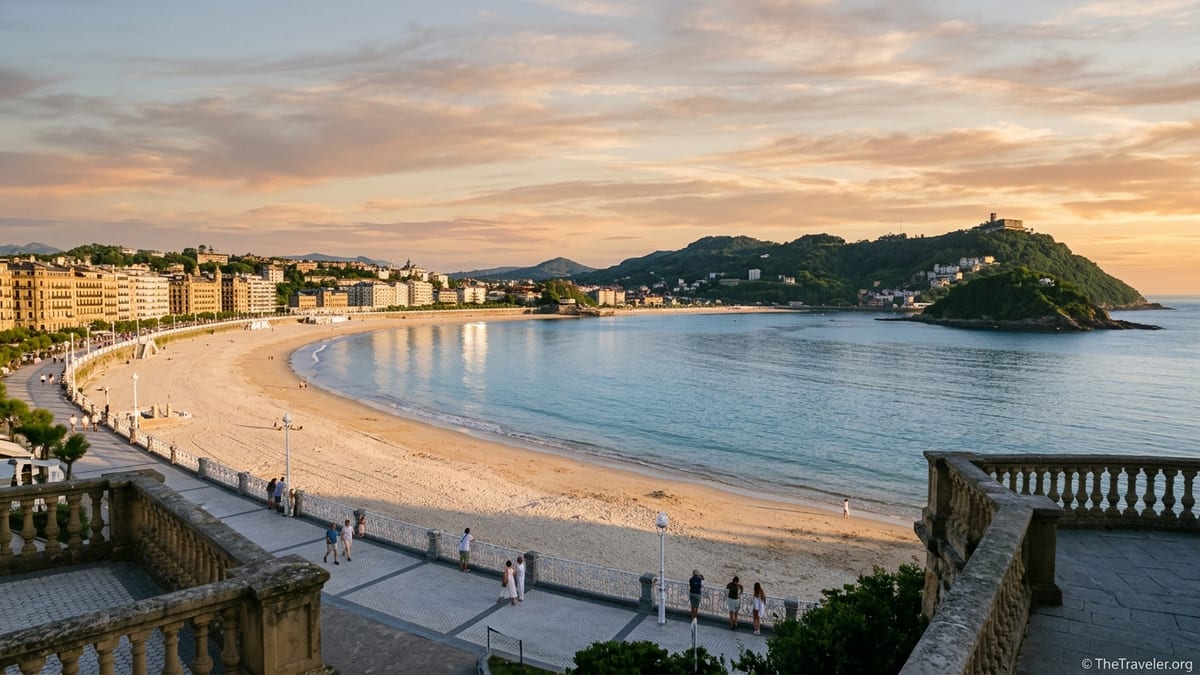
For travelers whose priority is food with a side of sea views, San Sebastián is often the top choice. The crescent of Playa de la Concha, framed by Belle Époque architecture, makes an immediate impression, and you can swim, rent a stand up paddleboard or simply walk the promenade before heading into the Parte Vieja for pintxos hopping. Current food guides and local recommendations consistently point to bars like Borda Berri, Ganbara and Sport in the old town for stand out small plates such as slow cooked beef cheeks, wild mushrooms or grilled foie with egg yolk.
A typical evening might start with a glass of txakoli and two or three pintxos at one bar, for around 3 to 5 euros per piece, then move on to several more places. It is easy to spend 35 to 50 euros per person on an abundant informal dinner without ever sitting down at a white tablecloth restaurant. For special occasions, the surrounding area also hosts multiple Michelin starred dining rooms, but advance booking is essential in high season and prices climb quickly into triple digits per person.
Beyond eating, San Sebastián works well as a gentle city break. You can take the funicular up Monte Igueldo for sweeping views of the bay, walk or cycle along the promenade to the modern sculptures at Peine del Viento or cross the river to the more residential Gros district for a slightly quieter feel and surfing at Zurriola beach. Many road trippers allocate two or three nights here at the start or end of a longer northern route to adjust to the time zone and enjoy slow evenings.
Consider San Sebastián if your top priorities are culinary experiences, a polished seaside atmosphere and walkable urban sightseeing rather than remote landscapes. Budget conscious travelers might choose to stay in nearby towns or in Gros instead of the central old town to manage accommodation costs, especially in July and August when prices spike.
Bilbao and Santander: Culture, Bays and Gateway Beaches
Bilbao and Santander often function as arrival or departure points, but they each justify at least a full day and night. Bilbao’s star attraction remains the Guggenheim Museum, which anchors a wider transformation of former industrial riverfront into a pleasant urban landscape of walkways, bridges and outdoor sculptures. Even if you are not an intense museum visitor, strolling along the Nervión river, exploring the Casco Viejo and tasting traditional pintxos in its bars makes a good introduction to the Basque Country.
The city is not a beach destination in itself, but several fine stretches of sand lie within a 30 to 45 minute metro or train ride, such as Sopelana and Plentzia. This makes Bilbao a convenient base if you want a mix of contemporary culture and occasional beach outings without moving hotels every night. It also tends to be slightly less expensive for accommodation than San Sebastián, with mid range business hotels often offering competitive weekend rates outside festivals and major events.
Santander wraps modern neighborhoods around a wide bay with ferries crossing to the long sandy beach of Somo. Travel companies focused on active holidays use this area for cycling and walking itineraries, highlighting the combination of coastal paths, dunes and nearby fishing villages. The city itself has beaches like El Sardinero within walking distance of the center, and the Magdalena Peninsula offers viewpoints, parks and a small palace that once hosted the Spanish royal family in summer.
Choose Bilbao if modern architecture, museums and nightlife appeal most, and Santander if you want an easygoing coastal city where you can be on a beach in minutes. Both serve well as practical starting points for car rentals, with quick motorway links west into Cantabria and Asturias or east back toward the Basque interior and La Rioja wine region.
Oviedo, Gijón and Smaller Asturian Coastal Towns
Crossing into Asturias, travelers encounter a different rhythm. Many recent trip reports describe combining a night in Oviedo with one or two along the coast in Gijón or in smaller fishing villages. Oviedo is inland, compact and elegant, with a Gothic cathedral, numerous cider houses and pedestrian streets that remain lively in the evenings. Prices for tapas and cider are generally lower than in San Sebastián, and menus highlight hearty Asturian dishes such as fabada and cachopo.
Gijón faces directly onto the Bay of Biscay, with Playa de San Lorenzo curving in front of the city. There is surfing culture, a working port and a growing set of bars and restaurants in the old Cimavilla quarter. In summer, locals from inland Asturias come here for weekend breaks, so booking ahead is wise for July and August, especially if your dates coincide with festivals or big events. Gijón makes a practical base for day trips both inland to the mountains and along the coast to quieter coves.
Between Santander and Gijón, the coastline is dotted with places that often become unplanned trip favorites. Towns like Llanes, Comillas and San Vicente de la Barquera combine stone centers, colorful harbors and access to coves backed by green hills. Independent road trip itineraries in recent years repeatedly call out the stretch near Llanes for its dramatic combination of cliffs, turquoise water and mountain backdrop, easily appreciated from short walks off the main road.
Travelers who value atmosphere over headline sights might allocate extra nights to these smaller places instead of additional time in big cities. Accommodation ranges from simple guesthouses to rural hotels in converted farmhouses, with many offering parking and home cooked breakfasts that suit a slow travel style.
Picos de Europa: High Mountains Close to the Sea
The Picos de Europa National Park rises sharply just inland from the Cantabrian coast, which means you can sleep in a seaside village and be among limestone peaks in under two hours. The park spans parts of Asturias, Cantabria and Castile and León, with bases such as Cangas de Onís, Arenas de Cabrales and Potes providing accommodation and guiding services. It is one of the best options in Spain for alpine style scenery without flying to the Pyrenees or Alps.
Two classic experiences dominate most first time visits. The first is the hike along the Cares Gorge between Poncebos and Caín, a balcony path cut high into the rock that offers dramatic views but requires a full day and good footwear. The second is the Lakes of Covadonga area above Cangas de Onís. Official park information describes these as two glacial lakes, Enol and Ercina, at roughly 1100 meters above sea level, reached by a mountain road that in busy periods is regulated by shuttle buses from the Covadonga sanctuary below. Families and casual walkers can complete a loop between the lakes in a few hours on generally well marked paths.
Viewpoints such as Mirador de la Reina and Mirador de Ordiales, mentioned in recent park and travel literature, provide sweeping panoramas of both the Picos massifs and the lower valleys. Several tour operators have updated itineraries in 2025 and 2026 that combine early morning drives to the lakes with moderate guided walks, suggesting that crowds and parking restrictions make timely arrival important in peak season.
Weather in the Picos is changeable and can be cooler or wetter than along the coast on the same day. Even in July and August you should bring a fleece, waterproof jacket and sturdy shoes. For road trippers, the park works best as a two or three night detour between coastal bases, allowing one full day for Covadonga, another for the Cares Gorge or shorter walks, and some flexibility for fog or rain.
Santiago de Compostela and the Rías Baixas Coast
Further west in Galicia, Santiago de Compostela offers an architectural and spiritual counterpoint to the beaches and mountain scenery. The old town centers on the cathedral that marks the end of the Camino de Santiago, and even non pilgrims often find the mix of granite squares, arcaded streets and student energy appealing. Many itineraries include one or two nights here at the end of a road trip, using the city as a base for day trips into the Rías Baixas or as a point to drop a rental car before flying out.
Southwest of Santiago, the Rías Baixas region fans out into a series of estuaries with islands, coves and fishing towns. The coastline is known for long sandy beaches, Atlantic islands covered in pine and eucalyptus, and seafood served with local albariño wine. Official regional tourism information and recent features in Spanish media highlight several standout stretches, including the O Grove peninsula, the sands around A Lanzada and the coves near Cabo Home, as well as the island archipelagos that form part of the Atlantic Islands National Park.
The most famous of these islands are the Cíes, at the mouth of the Ría de Vigo. Praia de Rodas, a 700 meter long crescent of pale sand linking two of the Cíes islands, has been repeatedly described by British and Spanish outlets as one of the most beautiful beaches in the world. Access is limited by daily visitor quotas and requires a short ferry ride from the mainland, usually from Vigo or nearby ports, with tickets that must be booked in advance on summer dates. Once on the islands, visitors can choose between staying near Rodas, walking to smaller beaches like Figueiras or following signed trails to lighthouses and viewpoints.
Back on the mainland, towns such as Cambados, Combarro and Baiona combine stone centers, small harbors and nearby beaches. Many travelers appreciate Galicia for its slightly cooler climate and more understated tourist infrastructure compared with parts of the Mediterranean coast. Prices for seafood platters and house albariño in local marisquerías can be relatively reasonable compared with equivalent meals in major European capitals, though costs rise in the most famous coastal towns during August.
Comparing Beaches, Food, Scenery and Road Trip Logistics
When narrowing down where to go, it helps to match your priorities to each area. For beaches, San Sebastián’s urban Playa de la Concha is ideal if you like to step from sand to city within minutes, while Santander and Gijón provide similar city plus beach combinations on a slightly less polished scale. For wide Atlantic sands with a wilder feel, the Rías Baixas and the Cantabrian coast between Santander and Gijón stand out, with spots like Somo, Playa de San Lorenzo and lesser known coves near Llanes or Barro offering surf and space when the tide is right.
For food, the Basque Country has the most internationally known reputation, especially San Sebastián with its dense cluster of pintxos bars and high end restaurants. Bilbao provides a more urban, less resort like environment with excellent value pintxos in the old town. Asturias and Galicia lean toward hearty and seafood focused cooking, with cider houses and marisquerías that reward curiosity. Travelers on a budget often report that they can eat very well day to day in Asturias and Galicia for less than in San Sebastián, reserving splurges for a special meal or two on the Basque coast.
In terms of scenery, the Picos de Europa are the top choice for dramatic mountains, especially if you integrate the Lakes of Covadonga or the Cares Gorge into your route. If you prefer softer coastal landscapes, the Rías Baixas and the rugged cliffs around eastern Asturias may appeal more. Many recent itineraries described by independent travelers combine a loop that touches both extremes: a few days of coastal driving, a couple of nights in the mountains, then a final stretch in Galicia or back along the Bay of Biscay.
Logistically, one common pattern is to fly into Bilbao, spend two or three nights between there and San Sebastián, drive west via Santander and the smaller Cantabrian towns into Asturias for three or four nights split between Oviedo or Gijón and a mountain base in the Picos, then continue on to Santiago and the Rías Baixas for another three or four nights. Another option for shorter trips is to focus on just one section, such as a Bilbao to Gijón coastal and mountain loop, which keeps driving stages under four hours and minimizes one night stops.
The Takeaway
Northern Spain is not a single destination but a string of distinct regions and towns that reward slow movement and curiosity. San Sebastián and Bilbao deliver intense food and culture experiences in compact, walkable cities. Santander, Gijón and the smaller Cantabrian and Asturian towns offer easy access to long beaches and everyday coastal life. The Picos de Europa bring high alpine drama within a short drive of the sea, and Galicia’s Santiago and Rías Baixas layer in historic streets, island national parks and seafood focused meals by the water.
When planning, start with your strongest interests. If food and nightlife come first, give the Basque Country extra nights. If you dream of mountain passes and glacial lakes, anchor the itinerary around the Picos. If your ideal day is dipping between beaches and fishing villages, mark out stretches of the Cantabrian coast and the Rías Baixas. With thoughtful routing and realistic driving stages, a single road trip can link all of these without feeling rushed, leaving you with a sense of Northern Spain as a connected but wonderfully varied whole.
FAQ
Q1. How many days do I need for a Northern Spain road trip?
Most travelers find 10 to 14 days ideal to include San Sebastián, Bilbao, Santander, Asturias, the Picos de Europa and Santiago or the Rías Baixas without rushing.
Q2. Is it essential to rent a car, or can I rely on trains and buses?
You can travel between major cities by train and bus, but a rental car gives far more flexibility to reach small coastal towns, mountain viewpoints and rural beaches.
Q3. When is the best time of year to visit Northern Spain?
Late May to early July and September are often the most comfortable, with milder temperatures, long daylight hours and fewer peak season crowds than in August.
Q4. Which city should I choose as a base if I am most interested in food?
San Sebastián is the top choice for concentrated food experiences, with Bilbao a strong alternative if you prefer a larger working city and easier access to urban services.
Q5. Are the Picos de Europa suitable for beginners and families?
Yes, provided you choose appropriate routes. Short walks around the Lakes of Covadonga and visits to signed viewpoints suit families, while longer hikes like the Cares Gorge require more preparation.
Q6. Do I need to book the Cíes Islands and Praia de Rodas in advance?
Yes. In summer and on weekends, ferry tickets and daily visitor quotas mean you should secure a booking days or weeks ahead, especially in late July and August.
Q7. Is swimming comfortable in the sea along the northern coast?
Water temperatures are cooler than in the Mediterranean, but many people swim from late June to early September. Wetsuits are common for surfing and longer sessions.
Q8. How expensive is San Sebastián compared with the rest of Northern Spain?
Food and accommodation in San Sebastián are typically higher priced than in Asturias or rural Galicia, especially in high season, though informal pintxos bars can still offer good value.
Q9. Can I combine a Northern Spain trip with wine regions like La Rioja?
Yes. From Bilbao or San Sebastián you can reach La Rioja by car in around two hours, making it easy to add one or two nights among vineyards to a coastal and mountain itinerary.
Q10. Is Northern Spain suitable for travelers who do not speak Spanish?
In major cities and tourist areas you will usually find some English spoken, especially in hotels and larger restaurants, but learning basic Spanish phrases will make rural travel easier and more rewarding.