


Northern Spain, often branded together as "Green Spain," stretches from Galicia in the far northwest to the Basque Country near the French border. It is a very different experience from the sun-baked resorts of the Mediterranean: cooler summers, wild Atlantic surf, emerald hills, Romanesque villages and some of the best seafood and pintxos in Europe. For first-time visitors, the choice of regions, cities and landscapes can be overwhelming. This guide distills the essentials to help you plan a realistic, rewarding first trip.
Understanding Northern Spain: Green Spain in a Nutshell
When people talk about northern Spain, they usually mean four coastal regions along the Cantabrian Sea: Galicia, Asturias, Cantabria and the Basque Country. Collectively marketed as Green Spain, this stretch is known for its lush landscapes, high rainfall compared with the rest of Spain and a coastline of cliffs, wide sandy beaches and fishing ports. You will find fewer international package resorts and more small family-run hotels, rural guesthouses and a strong sense of local identity.
Galicia, at the far west, feels almost Celtic, with granite villages, misty estuaries called rías and the pilgrimage city of Santiago de Compostela. Moving east, Asturias and Cantabria are dominated by mountains that drop abruptly to the sea. Pretty seaside towns such as Llanes, Ribadesella and Comillas sit within a short drive of the Picos de Europa, one of Spain’s most dramatic mountain ranges. The Basque Country at the eastern end is more densely populated and urban, home to Bilbao’s Guggenheim Museum and the elegant beach city of San Sebastián.
For a first trip, many travelers concentrate on one or two neighboring regions over 7 to 10 days. A classic first-timer route is Bilbao to Santiago de Compostela by car, stopping in Cantabria and Asturias along the way. Another popular choice is to focus only on the Basque Country and Cantabria, using Bilbao or San Sebastián as bases and adding day trips to quieter coastal villages.
Weather shapes travel here more than in the south. July and August bring the best chance of long sunny spells but can still see showers and overcast days, especially in Galicia. Late May, June and September are excellent months with mild temperatures, fewer Spanish holidaymakers and slightly lower prices. In shoulder seasons you should be ready for changeable weather: it is normal to pack both swimwear and a waterproof jacket for the same week.
Key Cities and Coastal Towns
Bilbao is the main international gateway to northern Spain, with frequent flights from other European hubs and good rail connections to Madrid. The city has reinvented itself from an industrial port into an arts and food destination anchored by the titanium curves of the Guggenheim Museum. First-time visitors typically spend one or two nights here, combining the museum with a walk through the historic Casco Viejo and an evening pintxos crawl along Calle Ledesma or Plaza Nueva.
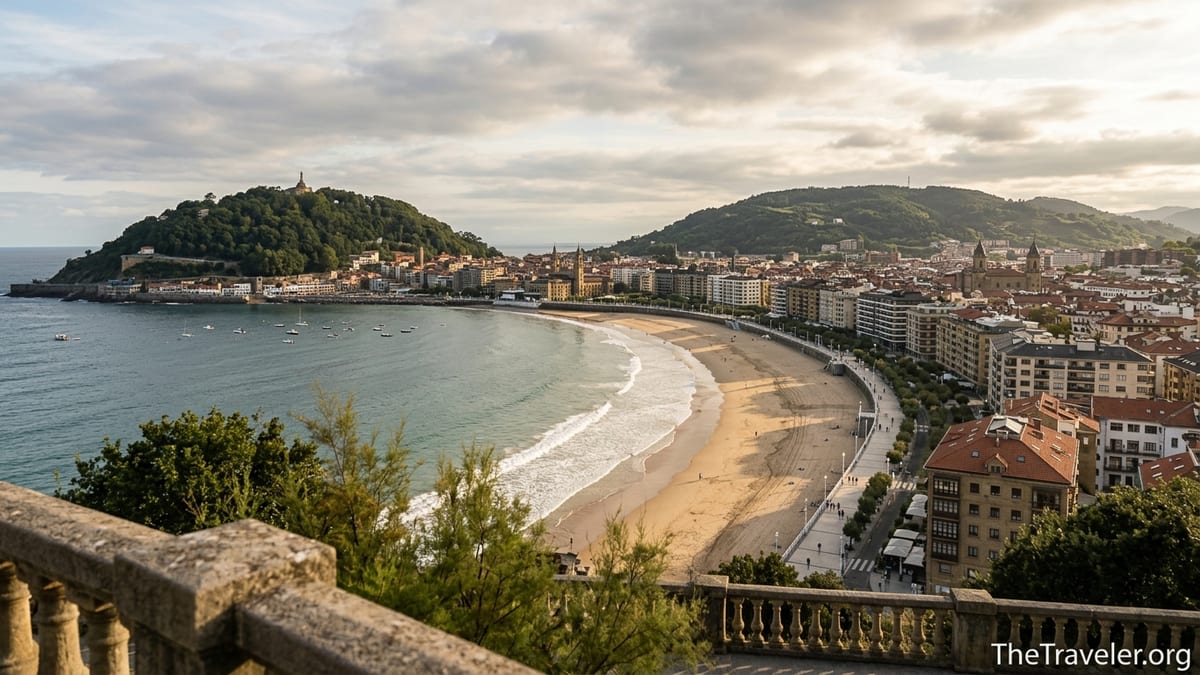
San Sebastián, about one hour east of Bilbao by bus, is northern Spain’s most famous seaside city. Its sweeping La Concha beach is consistently ranked among Europe’s top urban beaches, framed by a long promenade and belle époque architecture. The compact Old Town packs dozens of pintxos bars side by side, where a typical round of small plates and drinks for two might cost 25 to 35 euros depending on how many you sample and your choice of wine. Many travelers choose to base themselves here for three or four nights to mix beach time, food and short hikes up Monte Urgull or Monte Igueldo.
Further west, Santander, the capital of Cantabria, offers a more low-key alternative. It has its own attractive beaches around the Magdalena Peninsula and direct ferry connections to the United Kingdom, which makes it a practical entry point for some visitors. A typical three-star hotel near the Sardinero beach might start around 90 to 130 euros per night in July, often less in June or September. Nearby towns such as Santillana del Mar and Comillas give you a sense of Cantabria’s stone villages and manor houses without long drives.
In Asturias, Gijón and Oviedo form a twin-city experience. Gijón sits on the coast with a lively promenade and city beach, while inland Oviedo is known for its tidy historic center and cider houses serving Asturian sidra poured from a height. From either city you are within an easy day trip of the Picos de Europa foothills. In Galicia, many first-timers focus on Santiago de Compostela, a small, walkable city where the cathedral square fills each evening with pilgrims completing the Camino. Coastal cities such as A Coruña and Vigo, and fishing villages around the Rías Baixas, reward those with more time.
Beaches, Mountains and Outdoor Experiences
Northern Spain’s coastline runs for hundreds of kilometers, and the character of the beaches changes noticeably from region to region. Around San Sebastián, La Concha and Ondarreta beaches offer sheltered sand and calm water suitable for families on most summer days, while Zurriola beach at the mouth of the Urumea River draws surfers with stronger waves. In Cantabria and Asturias you find wide ocean-facing beaches such as Playa de Oyambre near Comillas or Playa de Rodiles near Villaviciosa, often backed by dunes or meadows with a single chiringuito beach bar.
Water temperatures in the Cantabrian Sea are cooler than the Mediterranean, so most locals swim without wetsuits only in high summer. Surfers and year-round swimmers often wear a 3/2 mm wetsuit in July and August, and thicker suits the rest of the year. Several surf schools operate in spots like Somo near Santander, Zarautz in the Basque Country and Salinas in Asturias. A typical two-hour group lesson including board and wetsuit might cost in the region of 35 to 45 euros, with discounts for multi-day courses.
Move just a short distance inland and the landscape turns mountainous. The Picos de Europa straddle Asturias, Cantabria and Castile and León, with limestone peaks rising above deep gorges. The cable car at Fuente Dé in Cantabria whisks visitors up to a high plateau in under four minutes, offering walking routes of varying difficulty. In Asturias, the lakes of Covadonga are a classic outing from Cangas de Onís, with short lakeside walks and viewpoints accessible by shuttle bus in peak season when private cars are restricted on the access road.
Beyond headline sites, northern Spain is well suited to low-key outdoor holidays. There are signed coastal walking paths near many villages, such as the section of the Camino del Norte between Deba and Zumaia in the Basque Country, which runs along cliffs of folded rock formations. Rural tourism properties known as casas rurales often provide maps for local walks, and many have small play areas or farm animals, which can be helpful for families. Summer daylight stretches long into the evening, so dinner at 9 or 10 p.m. after a late-afternoon hike is normal.
Food, Drink and Local Culture
Food is a major reason people choose northern Spain for a first trip. The Basque Country in particular is renowned for its pintxos bars and a concentration of Michelin-starred restaurants around San Sebastián and Bilbao. You do not need a high budget to eat well: in San Sebastián’s Old Town, a small plate of grilled prawn skewer, slow-cooked beef cheek or idiazabal cheese toast often runs 3 to 5 euros, and a glass of local txakoli white wine around 3 euros. Locals typically stand at the counter, order a couple of items, then move on to the next bar.
In Asturias and Galicia, seafood and hearty mountain dishes define the menus. In a typical Asturian sidrería you might share a large bean stew called fabada for 16 to 20 euros, followed by grilled fish or cachopo, a breaded veal dish large enough for two. Bottles of local cider are inexpensive, often under 5 euros in simple venues, and are traditionally poured in small bursts from above head height into a wide glass to aerate the drink. In Galicia’s coastal towns, look for pulperías specializing in octopus a feira, served on wooden plates with olive oil, salt and paprika.
Lunch remains the main meal of the day in much of northern Spain, and many restaurants offer a fixed-price menú del día on weekdays. This typically includes a starter, main, dessert or coffee and bread, sometimes with a drink, for around 12 to 18 euros depending on the town. In smaller inland villages it can be even cheaper. Dinner service starts later than in many countries: kitchens in popular cities might not open before 8 or 8:30 p.m., although you can usually find pintxos or simple tapas earlier.
Cultural events can add a memorable dimension to a first trip. Bilbao’s Aste Nagusia festival in late August brings outdoor concerts, fireworks and street performances along the riverfront, while San Sebastián’s International Film Festival in September fills the city with cinema-goers and visiting stars. In Galicia, local romerías and small-town festivals often feature traditional music, bagpipes and outdoor food stalls. If your travel dates overlap with major events, book accommodation early and expect busier streets and higher prices for central hotels.
Accommodation and Typical Costs
Accommodation options in northern Spain range from modern city hotels to rural farm stays. In cities such as Bilbao, San Sebastián or Santiago de Compostela, mid-range hotels and stylish guesthouses are common. In July and August, expect to pay around 120 to 200 euros per night for a well located three- or four-star hotel room for two in the most in-demand areas, with San Sebastián often at the upper end of that range. In June or September prices can drop noticeably, especially midweek.
In smaller coastal towns and inland villages, family-run pensiones and casas rurales are a good-value alternative. A simple but comfortable double room in a village near the Picos de Europa, for example around Arenas de Cabrales or Potes, might cost roughly 60 to 100 euros per night in summer, sometimes including breakfast. These properties often provide local advice that can be more useful than any guidebook, such as which trailheads have parking space on busy Sundays or the best time to visit a popular mirador.
Self-catering apartments are common in coastal towns popular with Spanish families. In San Sebastián, short-stay apartments near La Concha or the Gros district are heavily regulated, so book only through reputable platforms and check that tourist license numbers are clearly displayed. Weekly rates in July and August can be high, but splitting a two-bedroom apartment between friends or a family group may still work out cheaper than two hotel rooms. In quieter towns like Luarca in Asturias or Noja in Cantabria, apartments are generally more affordable.
Daily spending will depend on your travel style, but many first-time visitors find that a realistic mid-range budget for two people in high season might fall somewhere around 180 to 260 euros per day, including accommodation, meals, local transport and occasional paid activities. Costs tend to be highest in the Basque Country and lowest in rural Galicia and inland Asturias. Breakfast is often light and inexpensive, especially if you take it the local way with a coffee and tostada at a bar for just a few euros.
Getting Around: Trains, Buses and Road Trips
Public transport in northern Spain is reliable between major cities but less comprehensive along the smaller coastal and mountain routes. Renfe trains connect cities such as Bilbao, Santander, Oviedo, Gijón and Santiago de Compostela with Madrid and other parts of Spain, though journey times can be longer than high-speed lines in the south. For example, the train from Madrid to Oviedo often takes around four to five hours depending on the service. Regional trains along the coast exist in places but are slower and mainly used by commuters.
Intercity buses, particularly those operated by companies such as Alsa, fill many gaps. You can, for instance, travel from Bilbao to San Sebastián in about 1 hour 15 minutes by bus, with frequent departures throughout the day. Typical one-way fares on busy routes often fall in the 8 to 15 euro range if booked in advance online, with prices sometimes higher around peak festivals or holidays. Buses also connect smaller towns like Santillana del Mar or Llanes with their respective provincial capitals, although services may be limited on Sundays.
For maximum flexibility, especially if you want to explore beaches and mountains on the same trip, renting a car is the most practical option. Major airports such as Bilbao, Santander and Santiago de Compostela host the standard international rental brands alongside local companies. In summer, a compact manual car might start around 35 to 55 euros per day before fuel and tolls, with automatic vehicles costing more and selling out sooner. Parking in historic centers can be challenging, so many travelers choose accommodation with parking included or use city park-and-ride facilities.
Driving conditions are generally good, with well-maintained highways and clear signage. The main coastal highway, which changes name as it crosses regions, links most major cities, but some stretches have tolls. Fuel prices in Spain fluctuate, but visitors in recent seasons have often reported petrol costs that are noticeably lower than in neighboring France but higher than in some non-European countries. In remote inland areas, distances between fuel stations can increase, so it is wise to refuel before heading into mountain roads or less populated coastlines.
Planning Your First Itinerary
When sketching a first trip, start by deciding how many regions you can realistically cover. With 7 days, focusing on just the Basque Country and Cantabria works well. A common pattern is to fly into Bilbao for two nights, travel to a coastal town like Castro Urdiales or Santander for two nights, then finish with three nights in San Sebastián before heading back to Bilbao or on to France. This gives you a blend of city culture, smaller-town atmosphere and beach time without constant packing and unpacking.
With 10 to 14 days you can comfortably add Asturias and perhaps a slice of Galicia. One appealing route is to pick up a rental car in Bilbao, stop in Santillana del Mar and Comillas, continue to Llanes or Ribadesella for a few days of coastal walks and Picos de Europa day trips, then move on to Oviedo or Gijón. From there, continue west into Galicia, finishing in Santiago de Compostela before flying out. Distances are manageable: for example, driving from Santander to Oviedo typically takes around two and a half hours in normal traffic.
Seasonality should inform your itinerary choices. In July and August, beach towns in all four regions are liveliest, and some small villages effectively hibernate the rest of the year. If you travel in May, June or late September, you may prefer to base more nights in cities, using a car or regional buses for day trips, as coastal nightlife will be quieter but hiking conditions excellent. In winter, much of the appeal shifts to city breaks, food-focused itineraries and dramatic coastal scenery rather than swimming.
Finally, consider mixing well-known stops with less famous ones. A night in ultra-popular San Sebastián can be balanced with a couple of nights in a quieter place like Getaria in the Basque Country, San Vicente de la Barquera in Cantabria or Cangas de Onís in Asturias. This not only helps with budget but also gives you a better sense of everyday life in northern Spain beyond headline sights.
FAQ
Q1. How many days do I need for a first trip to northern Spain?
Most first-time visitors find that 7 to 10 days is enough to explore one or two regions, such as the Basque Country and Cantabria. If you want to include Asturias and part of Galicia as well, 12 to 14 days allows a more relaxed pace without rushing.
Q2. Is it worth renting a car, or can I rely on public transport?
You can travel between major cities like Bilbao, Santander, Oviedo and Santiago de Compostela by train and intercity bus, but a car gives you far more freedom for beaches, villages and mountain areas. For itineraries focused mainly on Bilbao and San Sebastián, public transport works well. If you want to explore the Picos de Europa or smaller coastal towns, renting a car is usually the most practical choice.
Q3. When is the best time of year to visit northern Spain?
Late May, June and September offer a good balance of mild weather, fewer crowds and moderate prices. July and August bring warmer temperatures and the liveliest beach scene but can be busy and more expensive in popular spots like San Sebastián. Winter is cooler and wetter, with shorter days, and better suited to city breaks and food-focused trips than to swimming.
Q4. Are beaches in northern Spain warm enough for swimming?
Sea temperatures in the Cantabrian Sea are cooler than in Mediterranean Spain, but many people swim comfortably in July and August, especially on sunny days. Outside high summer the water can feel brisk, and some visitors prefer to paddle or walk the shore rather than swim. Surfers and year-round swimmers often use wetsuits, which are usually provided by local surf schools if you book a lesson.
Q5. How expensive is northern Spain compared with Barcelona or Madrid?
Overall, northern Spain can be slightly cheaper than Spain’s biggest tourist cities, especially in smaller towns and rural areas. The Basque Country, and San Sebastián in particular, is an exception and often has hotel and restaurant prices similar to or higher than Barcelona. Galicia, rural Asturias and inland Cantabria generally offer the best value for money on accommodation and meals.
Q6. Do I need to speak Spanish to get by?
Spanish is widely spoken everywhere, and many people in tourism-related jobs speak at least basic English in cities and major towns. In rural areas and small villages, English is less common, so learning a few simple Spanish phrases is very helpful. You will also see regional languages such as Basque and Galician on signs, but you can rely on Spanish for communication as a visitor.
Q7. Is northern Spain a good destination for families?
Yes. The region suits families well thanks to its safe towns, plentiful playgrounds, family-friendly beaches and relaxed dining culture where children are generally welcomed in restaurants. Renting an apartment or staying in a casa rural with outdoor space can make things easier with younger children. Do keep in mind that dinner times are later than in many countries, so snacks between lunch and dinner are important for kids.
Q8. What should I pack for a summer trip to Green Spain?
For summer, bring light clothing for warm days, a warmer layer for cooler evenings, comfortable walking shoes, swimwear and a compact waterproof jacket. Even in July and August you can encounter showers and overcast days, particularly in Galicia and Asturias. Sunscreen is still essential, as UV levels can be high when the sun is out, and a small daypack is useful for carrying layers on hikes and city walks.
Q9. Do I need to book accommodation and transport in advance?
In July and August, and during major festivals, it is wise to book hotels and key transport legs several weeks or even a couple of months ahead, especially in San Sebastián and along the most popular coastlines. In May, June, September and October, you often have more flexibility, though pre-booking at least your first and last nights still reduces stress. Last-minute bookings can work in less visited inland areas, but choice may be limited in very small towns.
Q10. Is northern Spain safe for solo travelers?
Northern Spain is generally considered a safe destination for solo travelers, including women. Standard city precautions apply, such as keeping an eye on your belongings in busy areas and avoiding poorly lit streets late at night. Smaller towns and villages tend to feel very relaxed, and many solo visitors appreciate the sociable atmosphere of pintxos bars, shared tables in rustic restaurants and guided walking tours for meeting people.