


Northern Spain is one of Europe’s most rewarding regions for slow travel: world-class food in the Basque Country, wild limestone peaks in the Picos de Europa, misty Galician coasts and the ancient paths of the Camino de Santiago. The question for many travelers is not whether to go, but how: small-group tour, local day guide, full Camino package, or fully independent road trip. This guide compares the main options and shows where organized travel in northern Spain genuinely adds value, with concrete examples and realistic price ranges.
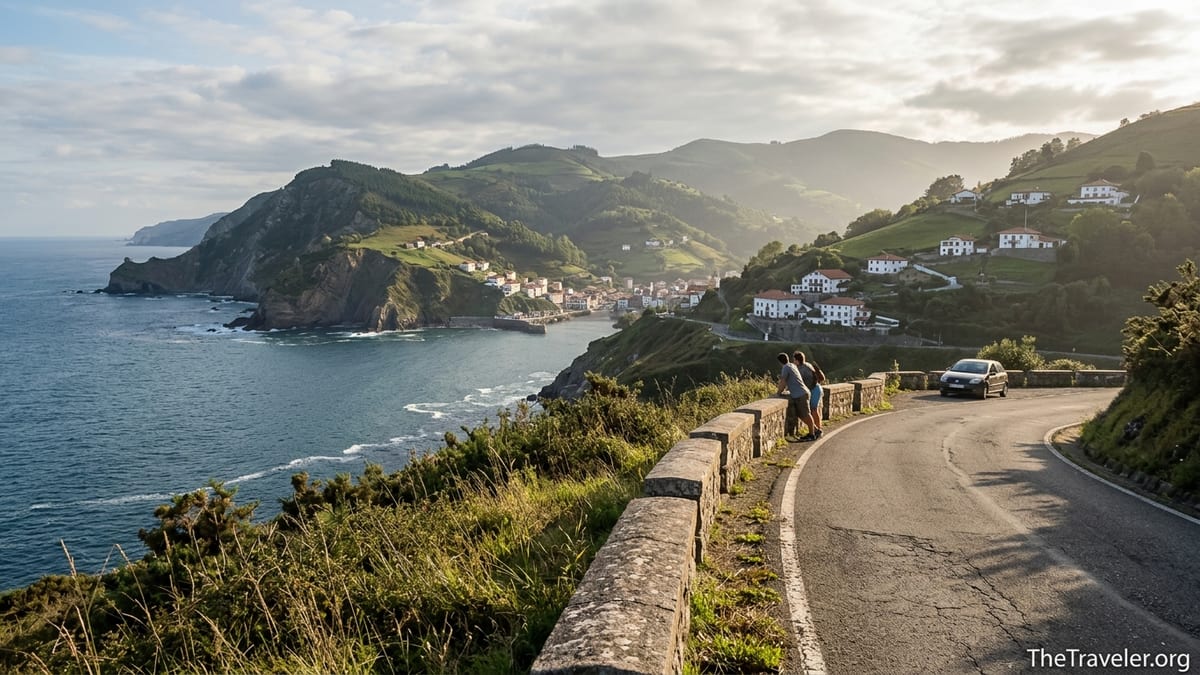
How Northern Spain Fits Together: Basque, Picos, Galicia and the Camino
On a map, the classic northern Spain arc runs from the French border at Irún and San Sebastián, along the Bay of Biscay past Bilbao and Santander, into the Picos de Europa mountains in Asturias and Cantabria, then west through green Galicia to Santiago de Compostela and the Atlantic capes around Finisterre. The famous Camino del Norte coastal route roughly tracks this line, while the better-known Camino Francés crosses inland from the Pyrenees to Santiago.
In practice, most visitors either base themselves in the Basque Country for food-focused city breaks, head to the Picos de Europa for hiking and mountain scenery, or choose Galicia and the Camino for history and Atlantic landscapes. A two-week trip can combine all three with a rental car, but many travelers prefer to stitch in guided segments: a pintxos tour in San Sebastián, a multi-day hut-to-hut trek in the Picos, or a supported final stretch of the Camino from Sarria to Santiago.
Tour companies have responded with a wide spectrum of products. At one end you will find full-service, 10 to 14 day small-group itineraries that link Bilbao, La Rioja, Picos de Europa and Galicia with transport, hotels and many meals included, often starting around the mid four figures per person in high season. At the other, there are single-evening pintxos walks in San Sebastián from about 75 to 90 euros per person, and self-guided Camino or trekking packages that handle logistics while you walk independently.
Because infrastructure in northern Spain is generally good and distances are moderate, you do not need a tour company for everything. Instead, the most satisfying trips often mix independent travel with well-chosen guided elements where local expertise, language skills or mountain safety really matter. The rest of this guide looks at those elements in detail.
Basque Country Food Trips: When a Pintxos Tour Is Worth It
San Sebastián and Bilbao have become shorthand for serious food travel. Pintxos bars in San Sebastián’s Parte Vieja and Gros districts are legendary, but first-time visitors often feel overwhelmed by crowds, bar etiquette and menus in Basque or Spanish. This is where a guided food tour can be especially valuable in your first 24 hours in town.
Small-group evening pintxos tours in San Sebastián typically cost from about 75 to 90 euros per person and function as a full meal with drinks. For example, a well-regarded operator in the city advertises “daily pintxos tours” from around 75 euros in small groups, including several bars and paired wines. Another gourmet-style experience lists prices starting close to 89 euros, highlighting a curated progression of classic and modern pintxos paired with txakoli, cider and Rioja wines. These tours usually run three hours, visit four to six bars and are designed so you can confidently return to your favorites later on.
Private pintxos tours cost more but offer flexibility and quieter venues. A tourism-office-backed private pintxos-and-wine walk in San Sebastián, for instance, prices five to six adults at roughly 150 euros per person, reflecting the premium for a dedicated guide and custom pacing. High-end outfits that bill themselves as “gourmet” or “premium” may include seven or more top-tier pintxos and multiple drinks, and can easily reach 150 to 175 euros per person in peak season. In Bilbao, similar private food walks through the Casco Viejo’s pintxos bars usually sit a bit lower in price, roughly the 80 to 120 euro band depending on inclusions.
Are these tours worth it? For travelers with limited time, no Spanish and a strong interest in food, the answer is often yes for at least one evening. A good guide will steer you away from middling bars, explain etiquette such as ordering hot pintxos made to order instead of only choosing from the counter, and help with dietary needs. Once you have had that introduction, it is easy to explore on your own and keep your daily food costs in check by doing your own pintxos hopping for 25 to 40 euros per person per evening, depending on how many rounds you do.
Picos de Europa: Guided Treks vs Self-Guided Road Trips
The Picos de Europa is a compact but rugged limestone range straddling Asturias, Cantabria and Castilla y León. Its steep gorges, pastoral high meadows and quickly changing weather mean that visitors who want to do more than an easy car-accessible walk often wrestle with whether to hire a guide or sign up for a package. The answer depends on how ambitious your hiking plans are.
For strong hikers interested in multi-day treks, specialty outfitters based in Asturias and Cantabria run five-day programs such as “Trekking Picos de Europa 5 days” or versions of the “Picos de Europa Ring.” These usually combine hut or small hotel accommodation with luggage transfer or support and cost in the range of several hundred euros per person, with prices varying by month and whether you choose single or double rooms. A typical itinerary might link Covadonga, the Vega de Ario area, the central massif viewpoints and a final descent near Fuente Dé, with long daily walks and sustained elevation gain.
Some operators also offer self-guided loops where they book the refuges and hotels, provide GPS tracks and arrange luggage transfers, while you hike independently. One such “Reconquista” route is described as a five-day crossing of the Picos suitable for experienced walkers who want a demanding trek without technical climbing. In these cases, the value of the package comes from guaranteed hut reservations in a busy season, a safety net via a support phone, and not having to negotiate Spanish-only booking systems.
If you mainly want to see the scenery rather than tackle high mountain routes, a rental car and a few day tours are usually enough. Base yourself in Potes, Arenas de Cabrales or Cangas de Onís and drive up highlight roads such as the Desfiladero de la Hermida gorge or the access to the Lagos de Covadonga. Then add one or two guided day hikes, for example a cared-for section of the Cares Gorge trail or a less crowded circular walk above Sotres. Local guiding companies often charge in the ballpark of 50 to 80 euros per person for a small-group day hike, more for private arrangements, and in return handle transport from town and route choices based on the weather.
Galicia Routes and Rías Baixas: Coastal Touring and Wine Country
Galicia feels noticeably different from the Basque Country and Asturias. The language shifts to Galician and Spanish, the food tilts towards seafood stews, percebes and octopus, and the landscape breaks into a series of estuaries known as rías. The Rías Baixas in the southwest have become a key stop for travelers who want Albariño vineyards, Atlantic beaches and seafood villages in one compact area.
Several local agencies offer multi-day circuits based in Santiago de Compostela that loop through Rías Baixas highlights. One private “Santiago and Rías Baixas” circuit marketed to small groups of two to eight people runs for seven days and six nights, starting and ending in Santiago. It includes a guided tour of Santiago, excursions to Isla de la Toja, Pontevedra and the Cíes Islands, along with a driver and vehicle sized to the group. Prices are generally custom-quoted based on season and group size, but travelers can expect a private week-long circuit like this to fall firmly into upper mid-range territory compared with self-driven trips where you might spend 80 to 140 euros per night on accommodation and pay for excursions à la carte.
Shorter group day tours are easy to plug into an independent itinerary. From Santiago, operators sell full-day Rías Baixas circuits that combine Albariño tastings, a boat trip among mussel rafts and stops in towns such as Combarro or O Grove. These often cost roughly 60 to 90 euros per person for a shared coach or minivan experience. If you prefer more flexibility, hiring a car for three or four days in Santiago and staying in coastal towns like Cambados or Sanxenxo lets you explore at your own pace, while still booking one winery tour or shellfish-focused boat trip in advance.
Further north, routes through the Rías Altas and Costa da Morte have fewer packaged options and reward drivers comfortable with winding rural roads. Think of two to three night loops from A Coruña or Santiago that take in places like Malpica, Laxe, Muxía and Fisterra. Here, local tourism offices and small guesthouses are often better sources of up-to-date route ideas than large international tour brands, and organized travel tends to mean individual day excursions with a driver-guide rather than fixed multi-day tours.
Camino de Santiago: Fully Guided, Supported or Independent
The Camino de Santiago is less a single trail and more a network of routes converging on Santiago. For northern Spain-focused trips, the main options are the coastal Camino del Norte that starts in Irún and follows the Bay of Biscay, the inland Camino Primitivo that crosses Asturias from Oviedo, and the final stretch of the Camino Francés from Sarria. Tour products cluster most heavily on that last portion from Sarria to Santiago because it is the minimum distance needed to earn the Compostela certificate on foot.
Guided group Camino packages from Sarria to Santiago typically last seven or eight days, with six walking days and nights in private rooms rather than dorms. A value-oriented guided program marketed for 2025, for example, lists an eight-day Sarria to Santiago itinerary with daily luggage transfer, breakfasts and some dinners included, marketed to English-speaking groups. Prices for such packages, when averaged across different providers, often land in the 1,000 to 1,400 euro per person range in shared rooms, with supplements for singles and peak dates. The convenience is considerable: accommodations are booked, your bag goes ahead by van, and a coordinator or guide is on hand if you have problems.
Self-guided packages cover the same ground with fewer group elements. Operators book your hotels or pensions, pre-arrange daily bag transfer for about 7 euros per stage, and give you route notes and emergency contacts. Total per-person costs for a week from Sarria in this format depend heavily on the quality of lodging you choose, but are often somewhat lower than fully guided trips while still above a do-it-yourself Camino. Walkers who piece everything together on their own typically quote daily budgets in the region of 35 to 75 euros per person, including simple accommodation and meals, with costs climbing if you opt for frequent private rooms or higher-end hotels in places like Santiago and Pamplona.
Further east, organized tours along the Camino del Norte and Camino Primitivo are still fewer but growing. Some packages focus on “best sections” of the coastal route from the Basque Country into Cantabria and Asturias, linking cities like San Sebastián, Bilbao, Santander and Gijón with rural stays. Because beds in small coastal towns can be limited in high season, booking a package can ease availability anxieties. The tradeoff is less flexibility in how far you walk each day and fewer opportunities to make last-minute detours that independent pilgrims often cherish.
Independent Road Trips vs Multi-Day Group Tours
For travelers comfortable driving in Europe, an independent road trip is often the most cost-effective and flexible way to see northern Spain. Rental cars from Bilbao, San Sebastián or Santiago give you access to small coastal villages, trailheads and viewpoints that big buses cannot reach. A classic loop might start in Bilbao, overnight in San Sebastián, swing through the Basque inland towns and La Rioja, cross into Picos de Europa around Potes or Cangas de Onís, then finish in Santiago via Lugo or the Galician coasts in 10 to 14 days.
Typical daily costs on a DIY road trip vary by season but might look like this: 80 to 150 euros for a mid-range double room, 40 to 70 euros per person for meals depending on how many tasting menus or pintxos crawls you do, 40 to 80 euros per day for a compact rental car plus fuel and tolls, and a modest budget for museum tickets, boat trips or cable cars. That can work out to roughly 180 to 260 euros per person per day for a couple sharing expenses, with plenty of room to spend more in foodie hotspots or save by favoring simple menus of the day.
By contrast, fully escorted small-group tours that bundle hotels, transport, many meals and guides across northern Spain start far higher. One boutique operator targeting food and wine travelers, for example, promotes a 13-day Northern Spain itinerary covering the Basque Country, La Rioja and Picos de Europa with “unique food and wine experiences” and small-group touring; the listed price is a bit above 8,000 Australian dollars per person based on 2025 costs, before flights. Other European-style group tours of around a week in the Basque Country with activities like Bilbao museum visits and pintxos tastings publish seasonal price tables for 2025 and 2026 that typically fall into mid to high four-figure amounts per person.
These group tours can still represent good value in specific circumstances: if you are traveling solo and prefer immediate company, if you dislike driving mountain roads or navigating cities, or if you want seamless access to experiences that are hard to arrange independently, such as private winery dinners or after-hours museum visits. However, couples or small groups who are comfortable doing basic planning often find that mixing self-drive travel with a short food tour in San Sebastián, a guided day hike in Picos de Europa and maybe one organized Rías Baixas excursion delivers similar experiences at a lower overall cost.
When Organized Travel in Northern Spain Really Helps
Organized travel in northern Spain is rarely an all-or-nothing choice. Instead, the most effective strategy is to identify specific points where a guide or package genuinely improves your experience or mitigates a risk, and spend your money there. Food is an obvious example. A well-chosen pintxos or market tour in your first evening in San Sebastián or Bilbao can set you up to navigate the bar scene confidently for the rest of your stay. In La Rioja, a private driver-guide for one day of winery visits lets everyone taste freely and visit small producers that may not offer scheduled English tours.
Mountain and weather considerations are another. In Picos de Europa, conditions can shift quickly, trails are sometimes poorly signed, and mobile coverage is patchy in ravines. If you are planning high routes, shoulder-season visits or travel with less-experienced hikers, hiring a qualified local guide for at least one day or joining a structured five-day trekking program adds real safety value and helps you avoid common pitfalls such as underestimating distances or starting too late in the day. Even if you hike independently, consider organized activities like canyoning or via ferrata, which are best done with certified professionals.
On the Camino, organized services make most sense if you have limited vacation time and a specific goal, such as completing the final 100 kilometers in a set number of days or walking with a group from your home country. Guided or self-guided packages also help people who are anxious about language barriers or logistics and would otherwise be deterred from going at all. If you have flexible dates, are comfortable with basic Spanish phrases and enjoy serendipity, a fully independent Camino or self-planned road trip with only occasional local tours will usually be more economical and more adaptable.
FAQ
Q1. How many days do I need to see the Basque Country, Picos de Europa and Galicia in one trip?
Most travelers need at least 12 to 14 days to link these regions without rushing. A common pattern is four nights in the Basque Country, three in or near Picos de Europa, three in Galicia and a final night near your departure airport.
Q2. Are pintxos tours in San Sebastián and Bilbao worth the price?
For a first visit, a single guided pintxos tour can be good value, especially if you do not speak Spanish and want to understand how to order and what to try. After that, you can confidently explore bars on your own at a lower per-meal cost.
Q3. Do I need a guide to hike in Picos de Europa?
You do not need a guide for short, well-known walks like sections of the Cares Gorge in good weather, but for multi-day treks or off-the-beaten-path routes a local guide or structured program is highly recommended for safety and logistics.
Q4. Is it better to drive myself in northern Spain or join a multi-day bus tour?
If you are comfortable driving manual or automatic cars on winding roads, a self-drive trip usually offers more flexibility and can be cheaper for couples or small groups. Multi-day tours suit those who dislike driving, prefer having everything arranged or are traveling solo and want built-in company.
Q5. How expensive is a guided week on the Camino from Sarria to Santiago?
Prices vary, but many guided or fully supported eight-day Sarria to Santiago packages fall in the broad range of about 1,000 to 1,400 euros per person, excluding flights, with cheaper options for self-guided arrangements.
Q6. Can I combine a short Camino experience with a northern Spain road trip?
Yes. A popular approach is to rent a car for most of your trip and then return it before walking the last five or six days from Sarria to Santiago, using baggage transfer services and pre-booked lodgings.
Q7. What is the best season for Basque food trips and Picos de Europa hiking?
Late May to June and September to early October balance pleasant weather with fewer crowds. July and August bring more stable mountain conditions but also hotter cities, higher prices and busier trails and bars.
Q8. Do I need to book Rías Baixas tours in advance?
In high season, it is wise to book popular full-day Rías Baixas excursions and winery visits at least a few weeks ahead, especially on weekends. Outside peak months, you often have more flexibility but should still secure key experiences in advance.
Q9. Is English widely spoken in northern Spain outside big cities?
In major tourist centers like San Sebastián, Bilbao and Santiago, many people in hospitality speak some English. In rural villages and small mountain towns, English is less common, so basic Spanish phrases or a phrasebook are helpful.
Q10. How far in advance should I reserve accommodation on the Camino and in Picos de Europa?
For peak months like June to September, aim to book popular Camino stages and Picos de Europa bases at least two to three months ahead, longer if you want specific hotels or private rooms. Shoulder seasons generally allow more last-minute flexibility.