


Spain offers three very different versions of a Mediterranean or Atlantic escape: the culturally rich mainland, the glamorous Balearic Islands in the Mediterranean, and the volcanic Canary Islands off Africa’s Atlantic coast. Each promises sunshine, food and culture, yet the experience on the ground can feel completely different. Whether you care most about city life, beaches, hiking, nightlife or value for money will largely determine which Spain is right for you.
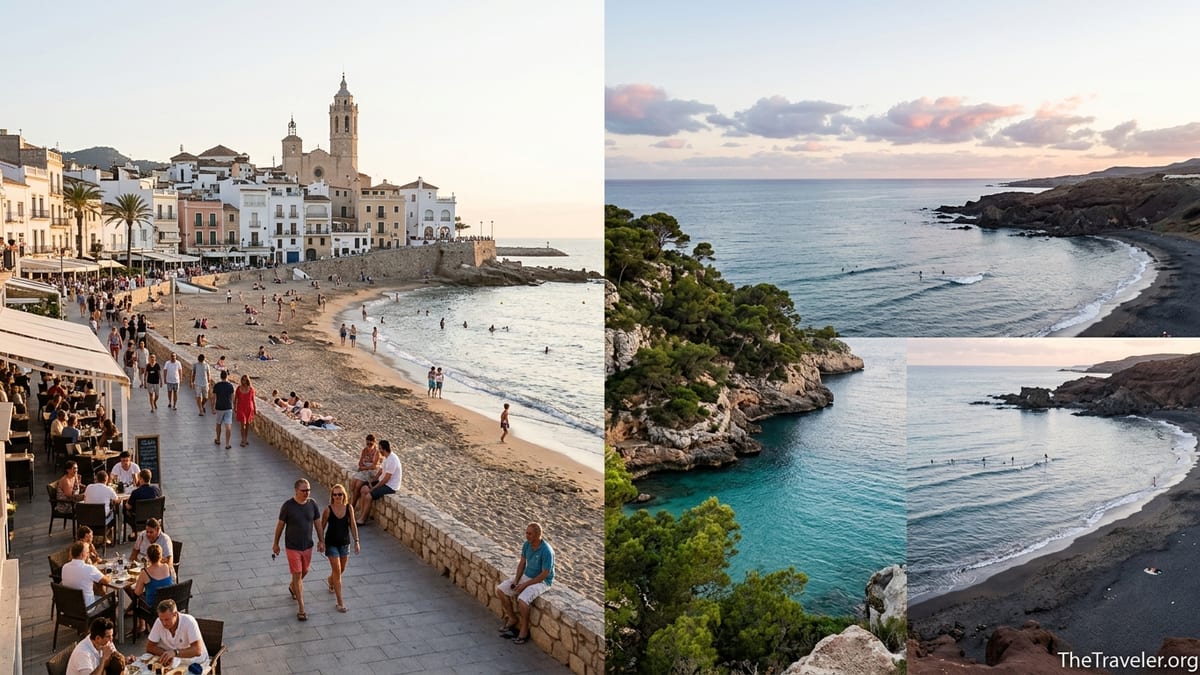
Mainland vs Islands at a Glance
Mainland Spain is where you find the country’s biggest cities and classic cultural highlights: Barcelona’s modernist architecture, Madrid’s world-class museums, Seville’s flamenco and Granada’s Alhambra. It stretches from the green Atlantic north to the warm Mediterranean south, so you can combine city sightseeing with coastal resorts like Costa Brava or Costa del Sol on a single trip. Fast trains make it realistic to do, for example, Madrid and Seville in a week without flying.
The Balearic Islands – Mallorca, Menorca, Ibiza and Formentera – sit in the Mediterranean east of Valencia. They are compact enough for beach hopping and are strongly seasonal. In July and August, resort towns like Magaluf in Mallorca and San Antonio in Ibiza are packed, beach beds are booked, and nightlife runs to sunrise. Shoulder seasons such as May, June, September and early October are calmer and increasingly popular for cycling, hiking and agritourism stays.
The Canary Islands – notably Tenerife, Gran Canaria, Lanzarote and Fuerteventura – lie much farther south, roughly opposite Morocco’s coast. Their volcanic landscapes, black and golden sand beaches and subtropical climate make them a true year-round destination. In January, when coastal towns on the mainland can feel chilly, you might still sunbathe in Tenerife’s Costa Adeje or Gran Canaria’s Maspalomas. The atmosphere is slightly more laid-back than the Balearics, with a big mix of northern European, British and Spanish visitors.
In practical terms, if you want classic European city life plus a taste of the sea, the mainland wins. If you dream of stylish Mediterranean beach clubs and short hop ferries between coves, the Balearics fit better. If you want dependable winter sun, volcanic scenery and big all-inclusive resorts at competitive prices, the Canary Islands are usually the best choice.
Cities, Culture and Sightseeing
If museums, architecture and historic neighborhoods are central to your trip, mainland Spain is far ahead of the islands. Barcelona offers the Sagrada Família and Park Güell, while Madrid concentrates heavyweight art museums in its Paseo del Arte. Cities like Seville, Córdoba and Granada showcase Moorish palaces, ornate cathedrals and old quarters where you can walk from tapas bar to tapas bar. You could spend ten days on the mainland moving between cities by high-speed train and see something totally different each time.
The Balearic Islands offer smaller-scale but still appealing urban experiences. Palma de Mallorca has a Gothic cathedral facing the harbor, medieval streets in its old town and a growing food scene. A weekend here can feel like a mini version of Barcelona, complete with boutique hotels in restored townhouses. Ibiza Town mixes a fortified old city with high-end boutiques and terrace bars that overlook the marina. However, outside these centers, much of the Balearic experience is beach and countryside rather than big-city culture.
In the Canary Islands, Santa Cruz de Tenerife and Las Palmas de Gran Canaria are the main urban centers. They have historic districts, modern shopping streets and local markets, but they attract fewer international city-break travelers than Barcelona or Madrid. Instead, most visitors stay in resort areas like Costa Adeje, Playa de las Américas or Playa del Inglés and do occasional day trips to sightseeing highlights such as Teide National Park, Maspalomas dunes or the historic town of La Laguna.
For first-time visitors to Spain who are interested in “seeing Spain” in a broader cultural sense, the mainland generally gives the richest return. You can always add a side trip to the Costa del Sol or Costa Brava for a few beach days at the end of an itinerary centered on Madrid, Barcelona or Andalusia.
Beaches, Nature and Road Trips
Mainland Spain has a very long coastline with varied character. The Costa Brava north of Barcelona offers small coves like Calella de Palafrugell and Begur, backed by pine-covered hills and coastal hiking paths. The Costa del Sol around Málaga and Marbella is more built up, with long urban beaches, marinas and golf courses. The northern “Green Spain” coast in Asturias and Cantabria offers wilder Atlantic beaches such as Playa de Rodiles, often with cooler water and changeable weather but dramatic cliffs and fewer crowds.
The Balearic Islands are often chosen specifically for beaches and coves. On Mallorca, travelers gravitate to turquoise bays like Cala Mondragó and Cala Llombards, or long sandy stretches such as Playa de Muro near Alcúdia. Menorca is known for smaller, unspoiled coves, some reached by short hikes. Formentera, reachable by ferry from Ibiza, is famous for its shallow, crystal-clear water at Ses Illetes. Renting a car is the easiest way to combine several beaches in a day, and many visitors plan simple road trips that circle Mallorca in three to five days, stopping in inland villages like Sóller or Pollença.
The Canary Islands have a very different feel. Volcanic landscapes dominate, especially in Lanzarote’s Timanfaya National Park and around Mount Teide on Tenerife. Fuerteventura offers long, windswept sand beaches and large dune areas near Corralejo, popular with kite and windsurfers. Gran Canaria’s south has wide sandy beaches around Maspalomas and Playa del Inglés, with a desert-like dune system backing the sea. Because the archipelago is more spread out than the Balearics, you typically choose one island per trip rather than trying to hop between several.
For scenic driving, all three options have strong points. A classic mainland road trip might follow the Costa Brava from Barcelona to the French border, or cross Andalusia between Seville, Ronda and Granada. In Mallorca, a popular driving day follows the MA-10 mountain road along the Serra de Tramuntana, stopping at viewpoints and stone villages. In Tenerife, drivers often combine the climb to Teide’s high plateau with detours to traditional towns like La Orotava. Nature-focused travelers who like hiking and mixed scenery may find the Canary Islands especially rewarding because trails range from short coastal walks to high-altitude routes through volcanic landscapes.
Accommodation, Costs and Value
Hotel prices in Spain have risen over the last few seasons, especially in popular island destinations. Across Spain, the average daily hotel rate in the first half of 2026 was reported in the mid 160 euro range, with Barcelona and some coastal resorts higher. In the Balearic Islands, rates have grown faster than the national average, with average room prices for the first half of 2026 approaching around 190 euros per night and even higher figures on parts of Ibiza and Formentera in peak summer. In some resort towns in August, it is now normal to see simple four-star hotels starting around 250 euros per night.
The Canary Islands are also seeing price growth but often remain slightly better value than the Balearics at comparable quality levels. Average hotel rates across the main Canary Islands are often reported around the 120 to 150 euro range outside the most exclusive properties, with large all-inclusive resorts in Tenerife or Gran Canaria frequently pricing standard double rooms between roughly 140 and 220 euros in high season, depending on board basis and location. Budget travelers can still find simpler apartments or two-star hotels under 100 euros in less central areas or by traveling in late spring or autumn.
On the mainland, prices vary widely by city and season. In Madrid and Barcelona, centrally located three or four-star hotels commonly run from about 150 to 230 euros per night for a standard room in spring or autumn, with higher rates during major events and summer weekends. Coastal resorts such as Benidorm or parts of the Costa del Sol maintain a huge range of options, from budget apartments under 100 euros to luxury beachfront hotels well above 300 euros. If you avoid the most saturated summer weeks and major festivals, the mainland can offer better value overall, especially in secondary cities like Valencia, Málaga or Bilbao where averages are slightly lower than in Barcelona.
Food and everyday expenses are broadly similar across mainland and islands, though island prices can be a little higher for imported goods. A casual lunch menu in a non-touristy mainland neighborhood might run 12 to 16 euros per person, while equivalent meals in heavily touristed parts of Ibiza or Mallorca often cost a few euros more. In the Canary Islands, many visitors take advantage of half-board or all-inclusive packages, which make day-to-day budgets predictable but reduce flexibility to explore local restaurants.
Nightlife, Atmosphere and Travel Seasons
Nightlife is one of the starkest contrasts between the three options. The Balearic Islands, especially Ibiza, have a global reputation for clubs and beach parties, with big-name DJs playing at venues in and around Ibiza Town and San Antonio. Ticket prices for major nights can easily reach 60 to 90 euros or more, and drinks are expensive inside clubs. Mallorca has its own nightlife centers in Magaluf and Playa de Palma, though other parts of the island, like the old town of Palma, offer more low-key cocktail bars and wine spots.
On the mainland, nightlife is more integrated into everyday urban life. In Madrid’s Malasaña or La Latina neighborhoods and Barcelona’s El Born and Eixample, you will find busy tapas bars, late-night terraces and small clubs that stay open well into the early hours. Tickets are usually cheaper than the superclubs of Ibiza, and it is easier to have a night out that combines casual bar-hopping with music venues. Coastal towns like Sitges near Barcelona or Marbella on the Costa del Sol add beach clubs and seafront lounges to the mix.
The Canary Islands offer a middle ground. Resorts such as Playa de las Américas in Tenerife and Playa del Inglés in Gran Canaria have clusters of bars and mid-sized clubs catering to international visitors, but the scene is generally more relaxed than Ibiza’s. Family-oriented areas like Costa Teguise in Lanzarote or Costa Calma in Fuerteventura lean toward early-evening entertainment and hotel shows rather than all-night parties. This makes the Canaries attractive to travelers who want some nightlife without building the entire trip around it.
Seasonality is crucial when planning. On the mainland Mediterranean coast and in the Balearics, the core summer season runs from roughly June to September, with July and August the most crowded and most expensive. Shoulder months like May and October can still be warm, especially in the south, and often come with significantly lower room rates and calmer beaches. The Canary Islands, by contrast, draw visitors year-round, with winter and early spring particularly popular among northern Europeans. That means prices in resorts like Costa Adeje or Maspalomas can be just as high in January as in July.
Best Choice for Families, Couples and Active Travelers
Families often prioritize easy beaches, short transfer times and child-friendly hotels. The Balearics score well on this, especially Mallorca and Menorca, which have shallow, sheltered bays and a large choice of resort hotels with kids’ clubs and pools. Package holidays from many European cities keep logistics simple. However, prices in peak school holiday weeks can be steep, so families who can travel in June or September often see better value. The Canary Islands are popular with families who need winter or Easter sun, with areas like Costa Adeje and Playa Blanca offering promenades, water parks and many all-inclusive options.
Couples looking for romance and atmosphere might lean either toward mainland cities or quieter corners of the islands. A week split between Seville and Granada or a few days in Barcelona followed by time in a Costa Brava village offers a rich mix of culture, food and coastal scenery. In the Balearics, boutique hotels in restored fincas around Mallorca’s Serra de Tramuntana or small guesthouses in Menorca’s countryside create a slower, more intimate feeling than the big resorts. In the Canary Islands, adults-only hotels in areas like Costa Adeje or Puerto de Mogán appeal to couples who want reliable sun, spa facilities and easy day trips to volcanic parks.
Active travelers and hikers often favor the Canary Islands or selected mainland regions. Tenerife and Gran Canaria have extensive trail networks that climb through pine forests and volcanic landscapes, while Lanzarote draws cyclists and runners who train on its quiet inland roads. Mainland Spain’s Pyrenees and Picos de Europa mountains are outstanding for more serious hiking, but they require more planning and longer drives. In the Balearics, the Tramuntana mountain range on Mallorca offers scenic day hikes, and Menorca has a circular coastal trail, but outside spring and autumn, midday heat can limit longer walks.
For travelers who want a bit of everything in a single trip, the mainland plus a short island hop can work well. For instance, you might fly into Barcelona for city time, then take a short flight to Mallorca for beaches, or combine a cultural tour of Andalusia with a week in the Canary Islands for winter sunshine. However, each extra flight adds cost and travel time, so many visitors still prefer to choose one “type” of Spain and explore it in depth.
The Takeaway
Deciding between mainland Spain, the Balearic Islands and the Canary Islands comes down to your priorities and travel dates. If you dream in museums, historic quarters and varied regional food, the mainland delivers the richest sense of Spain, with the bonus of coastal escapes. It suits first-timers, culture lovers and travelers who enjoy moving between cities on efficient trains.
If your mental picture of a holiday is turquoise water, beach clubs and hopping from cove to cove by car or local bus, the Balearic Islands are the classic choice. Be prepared for peak-season prices similar to or higher than major mainland cities, particularly in Ibiza and parts of Mallorca. Shoulder seasons can feel far more relaxed and better value, especially for couples and families.
If what you really need is reliable winter or shoulder-season sun, with a mix of beaches and striking volcanic scenery, the Canary Islands are hard to beat. They typically offer slightly better value than the Balearics at similar quality levels and are well set up for families and older travelers wanting comfort and ease. The trade-off is less big-city culture and more resort-focused stays.
There is no single “best” choice, but a good rule of thumb is to let your main trip theme guide you: culture and variety point toward the mainland, summer beach life and nightlife toward the Balearics, and year-round sun with laid-back resort comforts toward the Canary Islands. Once you are clear on that, Spain in any of its forms is unlikely to disappoint.
FAQ
Q1. Is mainland Spain or the islands cheaper for a one-week trip?
For similar standards of accommodation, the Canary Islands often come out slightly cheaper than the Balearics, while the mainland can be good value in secondary cities and outside peak events. In top Balearic resorts in July and August, hotel rates can be higher than in many mainland cities.
Q2. Which is better in winter, the Balearic Islands or the Canary Islands?
The Canary Islands are generally better in winter because of their subtropical climate. Daytime temperatures are usually mild enough for the beach, and most resorts stay fully open, whereas the Balearics can feel quiet and cooler outside late spring to early autumn.
Q3. Are the Balearic Islands suitable for families, or are they only for party trips?
The Balearics are very family-friendly outside the main party zones. Mallorca and Menorca in particular have many calm, shallow beaches and resort hotels with kids’ facilities. Party-focused areas like parts of Ibiza and Magaluf are easy to avoid by choosing different towns or quieter inland stays.
Q4. Do I need a car to enjoy the Spanish islands?
A car is not strictly necessary but gives you much more freedom. On Mallorca, a rental car lets you reach smaller coves and mountain villages. In the Canary Islands, it makes day trips to volcanic parks and viewpoints much easier. If you stay in a single resort and rely on organized excursions, you can manage without one.
Q5. How long should I plan for a first trip to mainland Spain?
For a first visit that includes at least two cities, one week is a reasonable minimum. For example, you might spend four nights in Barcelona and three in Madrid, or combine Madrid with Seville. Ten to twelve days allows you to add a third destination or some time on the coast.
Q6. Are ferries between the Spanish islands easy to use?
In the Balearics, ferries between Mallorca, Ibiza, Menorca and Formentera are frequent in high season and straightforward to book in advance. In the Canary Islands, ferries also connect islands such as Tenerife, Gran Canaria and Lanzarote, but sea crossings are longer so most visitors still choose short flights instead of multiple ferry hops.
Q7. Which destination has the best hiking opportunities?
For varied hiking in a compact area, the Canary Islands, especially Tenerife and Gran Canaria, stand out. Mainland mountain regions like the Pyrenees or Picos de Europa offer more demanding routes but require longer transfers. Mallorca’s Tramuntana mountains and Menorca’s coastal path also offer good day hikes, particularly in spring and autumn.
Q8. Is nightlife on the Canary Islands as intense as in Ibiza?
No. While Tenerife and Gran Canaria have lively nightlife zones with bars and clubs, they do not reach the same scale or global DJ scene as Ibiza. The Canary Islands tend to have a more relaxed, resort-style nightlife that suits a broader age range, including families and older travelers.
Q9. Can I combine a mainland city break with an island stay in one trip?
Yes. Common combinations include Barcelona with Mallorca, or Madrid with a short flight to Tenerife or Gran Canaria. The main limitation is travel time and budget, as each extra flight adds cost and at least half a day of transit, so many travelers choose just one region per trip.
Q10. Which Spanish destination is best for budget backpackers?
Budget travelers often find the best value in less-touristed mainland cities and regions, where hostel beds and simple guesthouses are more affordable. The Canary Islands can work for budgets if you visit outside peak weeks and choose self-catering apartments, while the Balearic Islands in midsummer are usually the most expensive option for accommodation.