


Choosing the best time to visit Spain is less about finding a single perfect month and more about matching regions to your priorities: culture-packed cities, warm swimmable seas, quieter islands or the lowest possible hotel prices. From winter sun in the Canary Islands to balmy May evenings in Madrid and late-September swims in Mallorca, Spain’s climate and tourism patterns vary sharply by month and by region. This guide walks you through the year, comparing Madrid, Barcelona, Andalusia, the Mediterranean beaches, the Balearic Islands, the Canary Islands and cooler northern Spain, so you can decide when conditions line up with your style and budget.
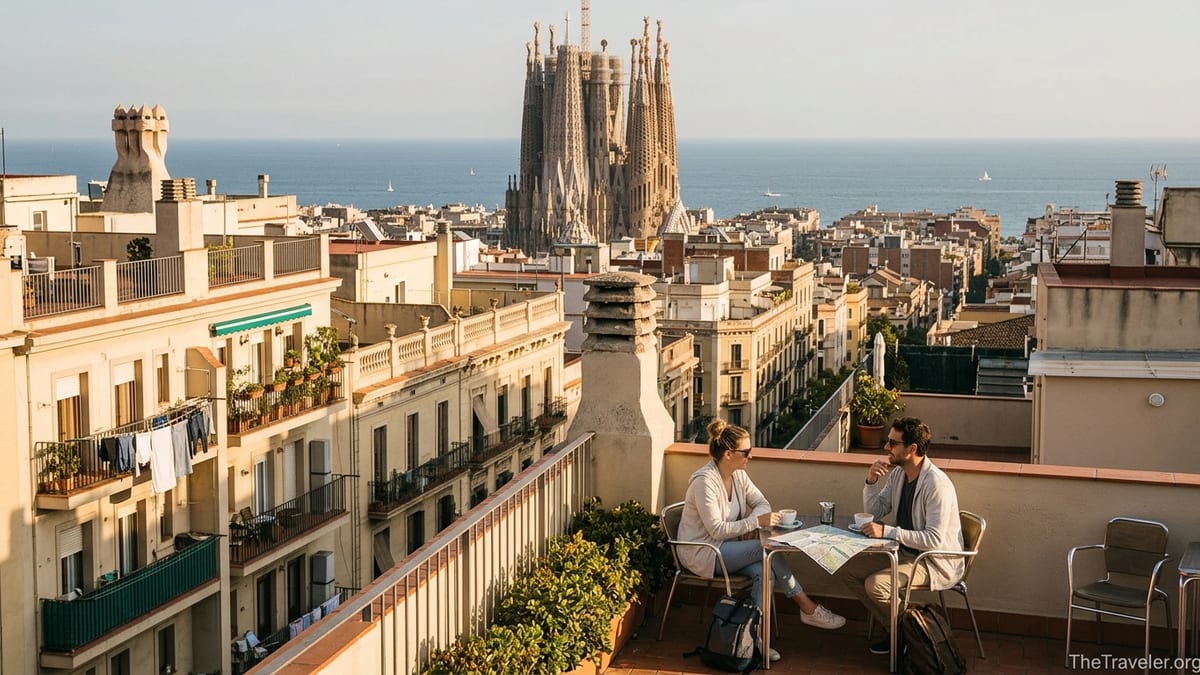
How Spain’s Seasons Work: Weather, Crowds and Prices
Across mainland Spain, the sweet spots for most travelers are generally April to June and late September to October, when days are warm, nights are comfortable and cities come alive without the peak-summer crush. In Madrid and Barcelona, daytime temperatures in May typically sit in the low to mid 20s Celsius, around the low 70s Fahrenheit, pleasant for walking to the Prado or along La Rambla without the heat fatigue of July, when Madrid can surge toward the mid 30s Celsius and Barcelona turns humid. At the same time, hotel data shows average nightly rates in cities peaking in high-demand months such as October in Madrid and May in Barcelona, with softer pricing in early spring and late autumn outside major events.
Summer is still the classic high season, especially for beaches and Balearic islands. Coastal resorts on the Costa del Sol, Costa Brava and in Mallorca or Ibiza fill with European holidaymakers from roughly late June through late August, when average sea temperatures reach the mid 20s Celsius, warm enough for long, comfortable swims. This is also when you will pay premium prices: a standard double in a three-star hotel in a popular August beach week can easily cost twice what the same room might fetch in March. On the flip side, cultural cities such as Madrid and Seville can see a dip in foreign visitors in the hottest weeks, which sometimes translates into better last-minute city hotel deals if you are heat tolerant.
Winter in Spain splits into two very different experiences. On the mainland, particularly in Madrid and northern regions, January and February bring cold, short days and a higher chance of rain in the north, although museums and monuments remain fully open and lines are short. In contrast, the Canary Islands sit in the Atlantic off northwest Africa and maintain spring-like conditions all year. In January, daytime temperatures on Tenerife’s south coast often hover around 20 degrees Celsius, about 68 Fahrenheit, with sea temperatures around 20 degrees as well, making them Spain’s closest thing to a reliable winter-beach destination. Package holidays from northern Europe keep demand healthy, but outside Christmas and New Year you can still find moderate prices compared with August in the Mediterranean.
Prices follow this seasonal rhythm but also depend heavily on local events. Trade fairs in Madrid and Barcelona, major football matches, Easter in Andalusia and city festivals such as Barcelona’s September La Mercè or Valencia’s March Las Fallas can all push nightly rates up significantly for a few days at a time. A traveler flexible by a week or two can often save 20 to 30 percent on centrally located hotels simply by staying just before or after big festivals or school-holiday peaks, while still catching similar weather. With that in mind, the following month-by-month breakdown focuses on typical patterns, then points to concrete examples of when and where each type of traveler tends to get the best mix of conditions.
January to March: Winter Cities, Low Prices and Canary Islands Sun
January is one of the cheapest months to visit Spain overall, especially after the Three Kings holiday on 6 January when domestic families return home and city hotel occupancy drops. In Madrid, daytime highs typically stay around 9 to 10 degrees Celsius, in the high 40s Fahrenheit, which suits museum-heavy days at the Prado and Reina Sofía and evening tapas in enclosed markets like Mercado de San Miguel. Budget-conscious visitors report finding central three-star rooms for roughly half the rate they would pay in May. Barcelona is milder, often in the low to mid teens Celsius during the day, so you can still stroll the seafront in a light jacket, though the sea is too cold for most swimmers and beach clubs run on a reduced schedule.
For proper winter sun, the Canary Islands stand out. On Tenerife’s popular south coast near Playa de las Américas, tourism boards report January daytime highs around 20 to 22 degrees Celsius, with similar sea temperatures and relatively few rainy days. You can expect people sunbathing and swimming, though evenings still call for a sweater. Package hotels in resort zones such as Costa Adeje quote winter weekly offers that, per night, often undercut peak-summer prices in Mallorca or Ibiza. That combination makes January and February attractive for travelers from colder climates who want warmth without the expense of long-haul tropical flights.
February remains quiet on the mainland, with low-season rates across most city hotels except where carnival festivities draw visitors, such as Cádiz in Andalusia or Sitges near Barcelona. In Seville and Málaga, daytime temperatures often sit in the mid to high teens Celsius, comfortable for exploring the Alcázar or the Roman Theatre with a light coat. Rain is a possibility, particularly along the Atlantic-facing Costa de la Luz and northern Spain, but crowds are slim. Northern cities like Bilbao and San Sebastián tend to be cool and damp, better suited to food-focused trips built around pintxos bars than to coastal hiking.
By March, days grow longer and spring begins to show. Madrid and Barcelona warm into the mid to high teens, and café terraces slowly fill, while hotel prices start to lift from their winter floor but remain below peak. March is often a value sweet spot for travelers who dislike heat and prefer quieter museums and attractions. In cities such as Valencia and Seville, orange trees blossom and the air can be fragrant, but you should also factor in major festivals: Las Fallas in Valencia, typically mid March, pushes room prices in the historic center sharply higher, and Easter dates in late March can send Andalusian city rates to high-season levels while processions occupy key squares and streets.
April to June: Spring Sweet Spot for Cities and Sightseeing
From April onward, much of Spain shifts into what many guidebooks cite as the ideal visitor window, especially for city and cultural itineraries. Madrid’s average highs in April climb toward the high teens and low 20s Celsius, while Barcelona reaches similar levels, with cooler evenings perfect for outdoor dining under heat lamps in popular neighborhoods such as El Born or Malasaña. The country’s extensive network of high-speed trains makes it easy to combine cities at this time, and you can comfortably visit museums by day, then enjoy late dinners without worrying about oppressive heat or the shorter winter daylight hours.
In Andalusia, April and May are particularly appealing, though also busy. Seville’s daytime temperatures quickly rise into the low to mid 20s Celsius in April and can approach the high 20s by May, which is still manageable for walking tours of the Santa Cruz quarter and the cathedral, but hot afternoons make siesta breaks increasingly welcome. This window covers high-profile events such as Seville’s Feria de Abril and Easter Holy Week, when hotel rooms near the historic center can sell for two or three times their usual spring rates and often require booking months in advance. Travelers who come just before or just after these marquee dates often enjoy similar weather with significantly lower prices and thinner crowds.
On the Mediterranean coasts and Balearic Islands, spring is shoulder season for beach towns. In April, sea temperatures off Barcelona or Palma de Mallorca are usually around 15 to 16 degrees Celsius, too chilly for most swimmers but fine for coastal walks, cycling and outdoor cafés. By June, the water warms into the low 20s, around the low 70s Fahrenheit, and seasonal businesses that closed for winter, such as small beach bars and boat-rental stands, are back in full swing. This is the time when you can find hotel bargains relative to August: for example, a seafront mid-range hotel in Mallorca might quote around 30 percent less for early June than for the August high season, while still offering full pool service and active nightlife in hubs like Palma or Magaluf.
Northern Spain, including the Basque Country, Galicia and the Asturias coast, emerges from its rainy season in late spring. Cities such as Bilbao and San Sebastián typically reach daytime highs in the high teens to low 20s Celsius in May and June, with a mix of sunny and overcast days. Hikers heading for the Camino de Santiago or the Picos de Europa often target this period, as trails are greener and less crowded than in August, and guesthouses and rural inns along the route tend to have better availability and more flexible rates. Because this region attracts fewer package tours than the Mediterranean coasts, seasonal price swings are more moderate, and you may find that restaurants and pintxos bars feel pleasantly local in early summer.
July and August: Hot Cities, Peak Beaches and Island High Season
By July, mainland Spain is in full summer mode, which delivers both classic long days and some of the most challenging conditions for budget and comfort. Madrid routinely sees highs in the mid 30s Celsius, with some days climbing higher, and locals who can leave often decamp to the coast for weeks. For visitors, this heat translates into quieter mornings at major museums and fewer business travelers mid August, which can keep some hotel prices from spiking as dramatically as you might expect for a capital city. However, midday sightseeing under clear skies can be punishing, so travelers often plan early-morning walking tours, long late lunches in air-conditioned dining rooms and evening strolls when the sun eases.
Barcelona, perched on the Mediterranean, is slightly cooler in absolute temperature but more humid, with July and August highs often around 28 to 30 degrees Celsius and busy beaches along Barceloneta and further up the Costa Brava. During these months, the city feels heavily touristed, and daily life shifts toward the late evening, when both locals and visitors crowd tapas bars in neighborhoods like Gràcia and Poble-sec. Average hotel rates stay high from late June through late August, particularly for properties near the waterfront and key sights such as Sagrada Família. Travelers seeking lower costs in summer sometimes choose accommodations slightly inland or in less central districts with good metro access.
For beaches, the broader Mediterranean coast and the Balearic Islands reach their climatic peak in July and August. Sea temperatures around Mallorca and Ibiza typically hit the mid 20s Celsius by August, often described by swimmers as pleasantly warm, and beach clubs, boat trips and diving schools run at maximum frequency. This popularity carries a price: in sought-after Balearic resorts, modest guesthouses can command high three-figure nightly rates in August, and minimum-stay rules over key weeks are common. Travelers who crave that classic island summer atmosphere but balk at prices might instead consider the Costa de la Luz near Cádiz or the less internationally known Costa de Almería, which still see strong domestic tourism but can be more affordable on accommodation.
Further north, the Atlantic-facing coasts of Galicia, Asturias and Cantabria enjoy their most reliable stretch of warm weather in July and August, though the climate remains cooler and more changeable than the Mediterranean. Daytime highs on the Cantabrian coast typically sit in the low to mid 20s Celsius, with occasional hotter days and Atlantic water temperatures cooler than the Mediterranean. Campsites and small coastal hotels around towns like San Sebastián, Santander and A Coruña often book out with Spanish and French families. While prices do rise relative to spring, they may still undercut those of equivalent-standard properties in Ibiza or central Barcelona at the same time, offering value for travelers who prioritize scenery and food over guaranteed sunbathing.
September and October: Warm Seas, Softer Light and Shoulder-Season Deals
For many experienced Spain travelers, September, and particularly its second half, is the sweetest compromise month for combining cities, beaches and reasonable prices. Across much of the country, the intense summer heat eases, but the sea remains warm from months of sunshine. In Barcelona and along the Costa Brava, sea temperatures in early September usually stay in the low to mid 20s Celsius, excellent for swimming, while air temperatures hover in the mid to high 20s. Crowds thin after European school terms restart, and beach space becomes easier to find. Hotel rates begin to slide from their August peak, especially for midweek stays, although special events such as Barcelona’s La Mercè festival in late September can briefly reverse that trend.
In the Balearic Islands, September feels like a more relaxed continuation of summer. Flights from northern Europe remain frequent, but party-focused travelers start to taper off after the first half of the month in Ibiza, and family travel slows. Resorts in Mallorca and Menorca respond with more flexible package deals and occasional free-night offers to extend the season. Restaurant terraces in Palma’s old town are still busy late into the evening, and boat tours to calas, or small coves, continue to run regularly while the weather holds. Many visitors describe this as the time when you can still wear full summer clothing and swim daily, but with shorter bar queues and lounge chairs slightly easier to secure.
On the mainland, September and October are prime months for Andalusia and central Spain. Seville, which can be fiercely hot in July and August, cools to more manageable highs in the low to mid 30s Celsius in early September and then into the high 20s by October. This makes courtyard palaces like the Real Alcázar more enjoyable, and terraces along the Guadalquivir River come back to life for evening drinks. City hotel prices in Seville and Granada often dip between the summer plateau and autumn conference season, especially if your dates do not overlap with major cultural festivals. Likewise in Madrid, October is popular with both tourists and business travelers, so you may see elevated prices in the most central districts, but September can offer a better balance of rates and temperatures.
Northern Spain shines in early autumn. Grapes ripen in La Rioja’s vineyards, hiking paths in the Picos de Europa and Pyrenees are at their most spectacular, and the Basque Country benefits from stable, often sunny days. Daytime highs usually settle in the low 20s Celsius by day and cool into crisp evenings, ideal for layered dressing. Rain becomes more frequent toward late October, especially in Galicia and along the Bay of Biscay, but crowds diminish and you may find that boutique hotels and rural guesthouses offer shoulder-season promotions that include added-value extras such as breakfast or winery visits rather than simply lowering room rates.
November and December: Quiet Culture, Christmas Atmosphere and Select Winter Sun
By November, most Mediterranean resorts begin winding down, and many seasonal businesses on smaller islands and in coastal villages close until spring. That said, larger cities such as Barcelona, Valencia and Málaga remain vibrantly active year-round, making late autumn a rewarding time for travelers focused on food, art and architecture rather than swimming. Daytime temperatures in Barcelona often sit around the mid teens Celsius, good for wandering the Gothic Quarter with a light coat. Hotel prices are generally lower than in September or October outside of specific conference weeks, and last-minute deals on centrally located apartments become more common as demand softens.
Madrid in November and early December can be cool or chilly, with average highs around the low teens Celsius and a chance of rain, but this is also a strong season for cultural travelers and shoppers. The city’s major museums offer full programming, indoor markets serve seasonal specialties, and from late November, Christmas lights and markets appear in central squares. Weekend rates rise closer to Christmas as domestic visitors arrive for shopping and theater, but midweek nights can still represent relative bargains compared with the spring and early-summer peak. Travelers who enjoy winter fashion and long café stops often find this period offers a satisfying sense of everyday local life.
In Andalusia, November delivers a final shoulder season before winter. Seville and Córdoba often see daytime highs in the high teens to around 20 degrees Celsius, comfortable for sightseeing with layers. Crowds are light at major monuments such as the Mezquita in Córdoba or the Alhambra in Granada, though advance booking for the Alhambra remains sensible year-round. Prices at city hotels and rural cortijo-style properties typically fall from their October levels, especially for midweek stays. Coastal cities like Málaga stay relatively mild, and while the sea is too cold for most swimmers by late November, seaside promenades and outdoor café terraces still attract locals on sunny days.
The Canary Islands again play their unique role as Spain’s winter-sun engine in November and December. On Tenerife or Gran Canaria, daytime highs remain close to 22 degrees Celsius, and many beach resorts mark this as a second mini-peak, driven by northern European visitors escaping dark, cold weather at home. Package prices around Christmas and New Year can be comparable to Mediterranean high summer, but early December and the weeks immediately after New Year often see more moderate rates. Travelers who choose a mix of one week in mainland cities such as Madrid and Seville and one week in the Canaries at this time of year can experience both festive urban lights and genuine beach weather in a single trip.
Matching Spain’s Regions to Your Priorities
Choosing the best time to visit Spain becomes easier when you match your dates to the strengths of each region. If your top priority is classic European city life, with galleries, cafés and lively neighborhoods, aim for April to early June or late September to October in Madrid and Barcelona. For example, a traveler in mid May could spend three nights in Barcelona exploring Sagrada Família and the beachfront, then take a high-speed train to Madrid for museum visits and a day trip to Toledo, all in comfortable temperatures and long daylight. Hotel rates in these windows are not lowest of the year but tend to be more reasonable than peak-summer coastal prices.
Beach-focused travelers who want both warm seas and active resort life will find the Balearic Islands and Mediterranean coasts at their best from mid June through mid September, with a particular sweet spot in late June and early July before the absolute August peak. A family planning a week in Mallorca might pick the last week of June to secure school-holiday-compatible dates while avoiding the highest August room rates and crowded beaches. Sea temperatures are already inviting, and most coastal excursions, from catamaran cruises to guided snorkeling trips, run multiple times per day. Those who prefer a more local feel and slightly cooler conditions might instead target early September on the Costa Brava or Costa de la Luz.
Travelers seeking the lowest prices above all will generally do best in the broad low season from November through March, excluding Christmas, New Year and Easter. A budget-minded visitor could, for instance, spend ten days in January splitting time between Barcelona, Madrid and Seville, taking advantage of off-peak airfares and hotel promotions. They would trade swimming and beach life for near-empty museum halls, easy last-minute restaurant reservations and an authentic sense of everyday Spanish winter routines. Adding a low-cost flight from Madrid or Barcelona to Tenerife at the start or end of the trip would add several days of winter sun without the high premiums of peak summer Mediterranean islands.
Finally, travelers drawn to landscapes, food and hiking might align their trips with the best conditions in northern Spain and the interior. Late May to early July and September to early October are ideal for walking sections of the Camino de Santiago, exploring Basque cities such as San Sebastián and Bilbao, or driving through Rioja’s vineyards. Temperatures are generally moderate, and harvest or early growing seasons lend rural areas particular charm. Accommodation in these regions tends to fluctuate less wildly than in the Balearic party hubs, so you can often secure characterful guesthouses and rural inns at fair prices even with relatively short notice.
FAQ
Q1. What is the single best month overall to visit Spain?
There is no universally perfect month, but for many travelers May offers a strong balance of warm weather in cities, pleasant temperatures in Andalusia, growing beach life on the Mediterranean and still-manageable hotel prices before the full summer peak.
Q2. When is the sea warm enough for comfortable swimming in Spain?
On the Mediterranean and Balearic coasts, most visitors find the sea comfortably swimmable from roughly mid June through late September, with August usually the warmest. In the Canary Islands, sea temperatures remain mild enough for many swimmers all year, though winter water can feel fresh compared with August in Mallorca.
Q3. When are hotel prices generally lowest in Spain?
Hotel prices are typically lowest from November through early March, excluding Christmas, New Year and Easter. January and February in mainland cities such as Madrid, Barcelona and Seville often bring particularly good value, while coastal resorts see their steepest discounts when many beach-oriented businesses are closed.
Q4. Is August a bad time to visit Madrid and Barcelona?
August brings heat and crowds, but it is not necessarily a bad time if you plan accordingly. Madrid can be extremely hot yet slightly quieter than spring, and some business-focused hotels offer competitive weekend rates. Barcelona is busy and humid, with crowded beaches and higher prices near the waterfront, so staying in less central neighborhoods and sightseeing early or late in the day can improve the experience.
Q5. When is the best time to visit the Balearic Islands like Mallorca and Ibiza?
For classic island summer with warm water and full nightlife, late June through early September is ideal, though it is also the most expensive. Travelers looking for a calmer feel and lower prices often choose late May, early June or the second half of September, when the sea is still warm but crowds have eased.
Q6. What is the best time to visit the Canary Islands for beach weather?
The Canary Islands offer mild, beach-friendly weather all year, with daytime highs commonly around 20 to 24 degrees Celsius even in winter. Many visitors prefer November to March for winter sun escapes, while others choose late spring to enjoy slightly warmer seas and longer daylight without the European school-holiday peaks.
Q7. When should I visit Andalusia to avoid extreme heat?
To enjoy Andalusia’s cities without oppressive temperatures, target March to early June or late September to November. Seville and Córdoba can exceed 40 degrees Celsius in July and August, so shoulder seasons provide more comfortable conditions for walking tours and outdoor dining, along with somewhat softer hotel rates outside major festivals.
Q8. What is the best time to visit northern Spain and the Basque Country?
Northern Spain is at its most pleasant from late May through September, with July and August offering the warmest and driest conditions but also the biggest crowds. Travelers who prioritize hiking and food often pick June or September to enjoy milder temperatures, fewer domestic holidaymakers and easier restaurant bookings in cities such as San Sebastián.
Q9. How far in advance should I book for peak season in Spain?
For travel in July and August to popular areas such as Barcelona, the Balearic Islands or the Costa del Sol, it is wise to book flights and central accommodations three to six months ahead, especially if you want specific properties or room types. For shoulder seasons, a lead time of one to three months usually provides a good choice, though festival dates and long weekends can sell out earlier.
Q10. Is winter a good time to visit Spain if I am not interested in beaches?
Yes, winter can be excellent for culture-focused trips. From December to February, major museums are less crowded, restaurant reservations are easier and city life feels more local. You will need warm clothing in Madrid and northern Spain, but if you add a few days in the Canary Islands you can combine low-season city culture with unexpectedly warm sunshine on the same trip.