


Spain has more than 8,000 kilometres of coastline, but the experience you have on its beaches can feel completely different depending on where you go. From resort-lined sands with kids’ clubs and water parks to quiet coves backed by pine forest or wild Atlantic dunes, choosing the right stretch of coast is the key to a great holiday. This guide compares the big-name regions Costa del Sol, Costa Blanca, Costa Brava, Galicia, Asturias, Mallorca, Menorca, Ibiza and the Canary Islands to help different types of travellers find their ideal Spanish beach base.
How Spain’s Coasts Compare: An Overview
For families who want easy logistics and plenty of facilities, the Mediterranean costas such as Costa del Sol and Costa Blanca are often the most straightforward choice. These areas offer long sandy beaches with lifeguards, promenade playgrounds, beach bars serving children’s menus and a high density of mid-range hotels and apartments. Places like Nerja and Benalmádena on the Costa del Sol or Benidorm and Alicante’s Playa de San Juan on the Costa Blanca combine shallow shelves, warm water in summer and easy airport access.
Couples tend to gravitate either to the romantic, pine-fringed coves of the Costa Brava and Menorca or to Atlantic regions like Galicia and Asturias with dramatic cliffs and quieter villages. Beaches such as Aiguablava and Sa Tuna near Begur on the Costa Brava, or Playa de Rodas in the Cíes Islands of Galicia, are known for clear water and a less commercial feel, even in high season compared with the big southern resorts.
Travellers focused on nightlife usually look to Ibiza, parts of Mallorca such as Magaluf and Playa de Palma, or the more developed areas of the Canary Islands, especially southern Tenerife and Gran Canaria. Here you find large resort hotels, late-opening beach clubs and bar streets where drinks offers and DJs are part of the holiday package. In contrast, those seeking quiet escapes might prefer Menorca’s small resorts, the smaller towns of Mallorca’s northeast like Cala Mesquida, the less built-up eastern Costa del Sol around Nerja, or pocket beaches hidden along the Asturian and Galician coasts.
Budget also plays a role. Package deals to Benidorm, Torremolinos or some parts of Tenerife can still come in cheaper than boutique stays in Costa Brava villages or Menorcan agroturismos, especially in July and August. Shoulder seasons such as May, June and late September often deliver much better value almost everywhere, with typical mid-range hotel rooms in large resorts dropping well below peak summer prices and more space on the sand.
Costa del Sol: Resorts, Nightlife and Easy Family Holidays
Costa del Sol, stretching along the Andalusian coast around Málaga, is one of Spain’s most established beach destinations for UK and European travellers. Families choose it because it combines reliable sunshine from late spring to early autumn with soft, often gently shelving beaches and plenty of practical amenities. Nerja’s Burriana Beach, for example, is a wide, Blue Flag sandy bay backed by a promenade of chiringuitos, sunbed hire and water sports kiosks that rents out kayaks for trips to nearby sea caves and waterfalls. Other family-friendly options include Playa de la Carihuela in Torremolinos and Sabinillas beach near Estepona, both known for calm waters and playgrounds on or near the promenade.
For couples, parts of Costa del Sol can still feel romantic despite its developed reputation. The old town of Nerja with its Balcón de Europa viewpoint and small coves like Calahonda, or Estepona’s whitewashed centre and long, palm-lined promenade, offer a softer atmosphere than the high-rise sections of Torremolinos or Benalmádena. Boutique hotels in converted townhouses a short walk from the sea are increasingly common in these areas, creating an alternative to large seafront complexes.
Nightlife on the Costa del Sol is diverse. In Marbella and nearby Puerto Banús, beach clubs and marina-side bars attract a dressy crowd, with daybeds and bottle service priced on par with other European resort hotspots. Benalmádena and Torremolinos cater more to casual nights out, with karaoke bars, sports pubs and late-night clubs focused on mainstream hits. Travellers who want action without the intensity of Ibiza often find Costa del Sol’s bar strips a comfortable compromise.
Those looking for something quieter can still find it by aiming for the eastern and western ends of the coast or visiting in shoulder season. The small coves around Maro, east of Nerja, are more rugged and require a short walk down from the clifftop, so they tend to be less crowded. In the far west, between Estepona and the Cádiz border, low-rise communities and smaller hotels keep the atmosphere more subdued than in the central resort belt, particularly outside school holidays.
Costa Blanca: Big Beaches, Calm Seas and Good Value
Costa Blanca covers the coastline of Alicante province and is another strong choice for families and value-conscious travellers. The long, straight sands of Benidorm’s Levante and Poniente beaches or Alicante’s Playa de San Juan run for kilometres, with showers, lifeguards, accessible ramps and plenty of cafés. Many families prefer Benidorm for its theme parks and water parks within a short drive, which can fill in days when children want a change from the sea. Apartments and package hotels here often come in cheaper than in smaller, more exclusive resorts, especially if booked outside peak school holiday dates.
For those who prefer a less intense environment, there are plenty of alternatives along the same coast. El Campello’s Playa Muchavista offers similar wide sands and tram access to Alicante but with fewer high-rise buildings and typically more space, especially on weekdays. Further north, small towns such as Jávea with its Playa del Arenal or Calpe with its two main beaches beneath the Peñón de Ifach rock provide Blue Flag facilities but a more relaxed, mixed-age feel than the densest sections of Benidorm.
Couples or travellers seeking quieter escapes along the Costa Blanca often look for coves rather than town beaches. Around Cabo de la Huerta near Alicante, a series of rocky coves and small pebble beaches provides more privacy at the cost of easier access. North of Jávea, the coastline becomes increasingly rugged, with small shingle or rock coves such as Granadella or Portitxol popular for snorkelling and kayaking. These spots are best visited early in the day during July and August, when parking quickly fills and local authorities sometimes limit vehicle access to protect the environment.
Nightlife on the Costa Blanca ranges from the famously bright lights of Benidorm, where bar crawls and tribute acts are part of the appeal, to quieter seafront promenade evenings in places like Altea or Villajoyosa. Travellers who want a bit of everything often base themselves where public transport is good, such as Alicante city or Benidorm, and then take day trips by tram or car to smaller, calmer beaches during the day.
Costa Brava: Scenic Coves and Romantic Escapes
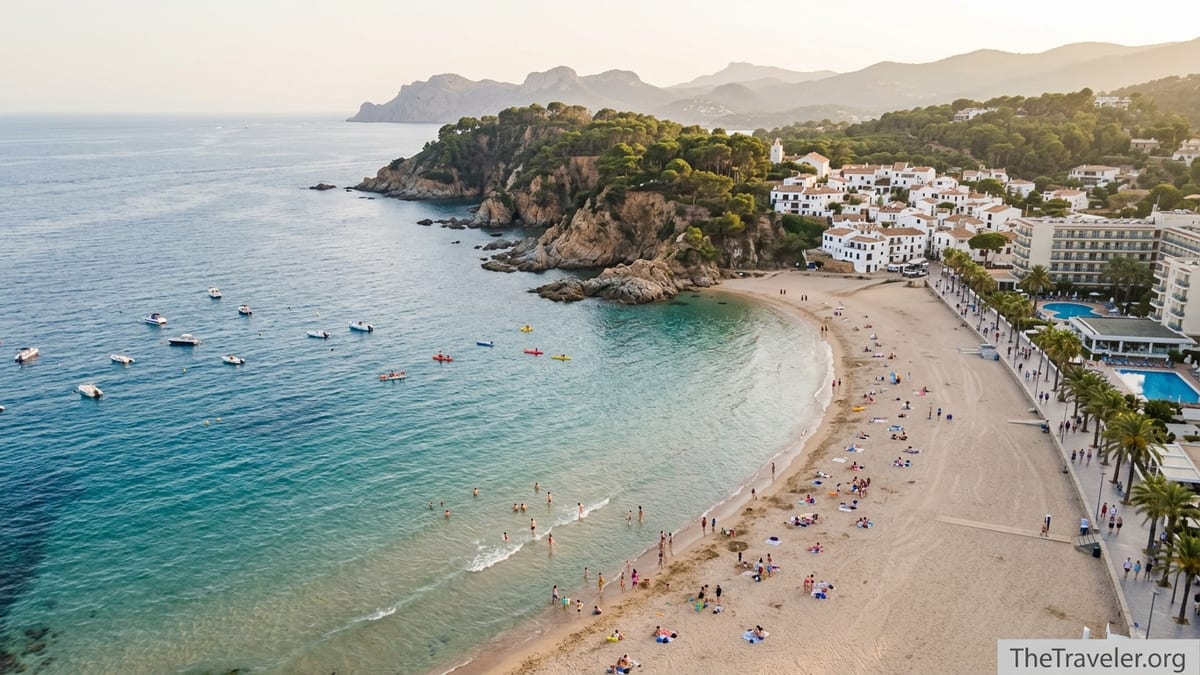
Costa Brava, north of Barcelona towards the French border, is known for its rugged coastline, clear water and smaller, often more intimate beaches. This region suits couples and families who do not mind a little walking or stair-climbing to reach coves and who prioritise scenery over large-scale entertainment. Towns such as Tossa de Mar combine a broad main beach with a historic walled old town on the headland, while nearby Mar Menuda beach offers slightly quieter sands and good conditions for snorkelling close to the rocks.
Further north, the villages around Begur offer some of the most picturesque swimming spots in Catalonia. Aiguablava, Sa Riera and Sa Tuna are compact, horseshoe-shaped coves enclosed by pine-covered cliffs and traditional fishermen’s houses. Facilities are more limited than on big urban beaches, often just a handful of restaurants, sunbed hire and a small car park, and parking charges are common in summer. For many travellers that trade-off is worthwhile, especially outside August when the coves can be busy but still feel more low-key than southern resorts.
Costa Brava can also work well for active families with slightly older children. Coastal walking paths known as camins de ronda link many beaches, allowing families to walk between coves such as Llafranc, Calella de Palafrugell and Tamariu, stopping for swims along the way. In high season, beach bus services operate around some municipalities, making it easier to reach coves without having to drive and park at every stop.
Nightlife here is mostly small-scale and locally focused, with seafront terraces and late dinners rather than big clubs. Lloret de Mar is the major exception, drawing younger visitors for its bars and discos, but many travellers looking for a quieter experience simply base themselves elsewhere. Prices for accommodation in the most scenic villages can be higher than on the Costa Blanca or Costa del Sol, particularly for seafront rooms in July and August, so booking early is advisable if you want specific locations.
Galicia and Asturias: Wild Atlantic Shores and Quiet Villages
On Spain’s northwest Atlantic coast, Galicia and Asturias offer a very different beach experience. Summer temperatures are milder and the water cooler than in the Mediterranean, which helps keep crowds manageable even in August. The coastline is dramatically beautiful, with a mix of wide sandy bays, small coves and high cliffs facing an often energetic ocean. Families who do not mind the cooler water often appreciate the space and the more relaxed development compared with the southern costas.
In Galicia, Rías Baixas in the south and the Cíes Islands off Vigo are particularly well known. Playa de Rodas on the main Cíes island, a long arc of white sand backed by dunes and pine forest, often appears in lists of top European beaches. Access is limited by daily passenger ferry quotas in summer, which keeps numbers under control but requires advance booking during peak weeks. On the mainland, towns such as Sanxenxo and O Grove offer more conventional resorts with hotels, seafood restaurants and sheltered urban beaches.
Asturias is even quieter, with small fishing villages dotting a coast of green headlands and less formal seaside development. Beaches such as Playa de Torimbia or Playa de Cuevas del Mar require short walks and sometimes parking outside small hamlets, but the reward is sweeping views, clear water and a strong sense of being far from mass tourism. These regions appeal to couples who enjoy walking, road-tripping between viewpoints and eating well, as local seafood and traditional cider houses are significant parts of the experience.
Nightlife in Galicia and Asturias is mostly local bars and late dinners rather than organised nightlife zones. Prices for food and drink can often be lower than in the Balearic or Canary islands, and accommodation ranges from simple pensiones and rural houses to small seaside hotels. For families, the main things to consider are the shorter swimming season, usually focused on July and August, and the need for a hire car in many areas to reach the best beaches.
Mallorca and Menorca: Balearic Islands for Every Style
Mallorca, the largest Balearic island, is one of Spain’s most versatile beach destinations. It manages to combine lively resort towns such as Magaluf, Palmanova and Playa de Palma with calmer, more family-oriented bases like Alcúdia, Port de Pollença and Cala Millor. Families often choose Alcúdia Bay for its long, shallow beach and easy access to supermarkets, bike rentals and water parks. The northeast and southeast coasts are dotted with calas, small sandy inlets such as Cala d’Or’s cluster of coves, that offer a more intimate setting while still supporting hotels and apartments within walking distance.
Couples often head away from the largest resorts into smaller coastal villages or rural agroturismo stays inland with easy driving access to beaches. Areas such as the Serra de Tramuntana’s foothills combine hiking and village-hopping with day trips to coves like Cala Deià or the long strand at Es Trenc. The latter, on the island’s south coast, is famous for its pale sand and clear water backed by salt flats rather than high-rise buildings, though car parks can fill quickly and fees apply in high season.
Menorca has built its reputation as the quieter Balearic option and is especially popular with couples and young families who prefer a low-key, nature-oriented holiday. The island’s southern coves, including Cala Macarella, Cala Galdana and Cala Mitjana, are known for turquoise water and pine-fringed cliffs, with a mix of resort development and protected coves accessed by walking paths. On the northern coast, wilder beaches such as Cavalleria or Pregonda offer a more remote feel with fewer facilities, suitable for travellers comfortable carrying everything they need for the day.
Both Mallorca and Menorca offer nightlife but at very different scales. Mallorca’s main nightlife hubs are concentrated in Magaluf and parts of Palma, while most other resort towns focus on family-friendly evening entertainment and seafront bars. Menorca’s evenings are quieter, often centred on harbour promenades in Mahón or Ciutadella and low-rise beach resorts where live music finishes earlier than in Ibiza or the Costa del Sol.
Ibiza and the Canary Islands: Nightlife, Winter Sun and Island Variety
Ibiza has a global reputation for clubbing, but its beaches are far more varied than its nightlife image suggests. Families and couples who stay away from the biggest clubbing centres often find calm, attractive bays with soft sand and shallow entries. Talamanca, just outside Ibiza Town, is a long, sheltered beach with boardwalks, beach bars and shallow water, popular with both locals and visitors. On the west coast, Cala Tarida and Cala Conta offer clear water and sunset views, with a mix of family hotels and more upscale beach clubs.
Nightlife-focused travellers usually base themselves around San Antonio or Ibiza Town and nearby Playa d’en Bossa, areas with a high concentration of clubs, beach parties and late-night venues. In these zones, hotel pricing tends to reflect demand during the main clubbing season from roughly June to September, and booking well ahead is important if you want specific properties. Those seeking a quieter stay on the island often look to the north and east, around Santa Eulària or Portinatx, where beaches are still well equipped but evenings are significantly gentler.
The Canary Islands offer a different proposition again, thanks to their subtropical climate and year-round beach season. Tenerife, Gran Canaria, Lanzarote and Fuerteventura each have their own character. Families often choose the purpose-built resorts of southern Tenerife around Costa Adeje and Los Cristianos, which combine black or golden sand beaches with water parks, boat trips and a wide choice of apartment complexes. Fuerteventura is renowned for its long, windier beaches and is particularly popular with surfers and kiteboarders, while still offering sheltered bays in resort towns such as Corralejo and Caleta de Fuste that work for younger children.
For couples seeking quieter escapes in the Canaries, smaller islands such as La Palma or La Gomera, or the less developed northern parts of Lanzarote and Gran Canaria, can be rewarding. Here, volcanic landscapes and hiking routes sit close to small black-sand beaches or natural rock pools where you may share the water with only a handful of locals. Nightlife on these smaller islands is very low-key, typically limited to a few bar terraces in harbour towns. The main advantage of the Canaries for many travellers is the ability to combine beach time with other outdoor pursuits and to visit outside the European summer, including during school half-terms and winter holidays.
Choosing the Right Coast for Your Style of Beach Holiday
For families whose priority is easy-going days on the sand, short walks to restaurants and a wide choice of accommodation at different price points, Costa del Sol, Costa Blanca and parts of Mallorca are usually the simplest choices. Look for resort towns with long, lifeguarded beaches, promenade playgrounds and plenty of shaded seating. Nerja, Benalmádena, Benidorm, Alicante, Alcúdia and Cala Millor are classic examples where families return year after year and where practical services such as pharmacies, supermarkets and bus links are all close by.
Couples looking for romance and atmosphere might place Costa Brava’s coves, Menorca’s southern calas, or Galicia’s and Asturias’s smaller villages higher on their list. Here, walking to a viewpoint at sunset or taking a short boat trip along the coast can be as important as the time spent lying on the sand. Accommodation often leans towards small hotels, guesthouses and agroturismos rather than large all-inclusive complexes, and evenings are more about long dinners and glasses of local wine than big nights out.
If nightlife and social energy are essential, Ibiza, parts of Mallorca, the central sections of Costa del Sol and Benidorm on the Costa Blanca remain the most reliable hubs. Travellers can balance late nights with day trips to quieter beaches nearby, using local buses, ferries or hire cars. Those who enjoy a mix of clubs and more relaxed evenings might prefer areas on the edge of the main nightlife zones, such as staying in Palma rather than Magaluf, or in Marbella’s old town rather than right beside the port.
For truly quiet escapes, consider timing as well as location. Visiting big-name areas in late May, June or late September can deliver much calmer beaches and better hotel availability at lower prices, even in lively regions. Alternatively, look to naturally quieter coasts such as northern Mallorca, parts of Menorca, Galicia, Asturias, the eastern ends of Costa del Sol or the smaller Canary Islands. In these places, a hire car and a willingness to explore beyond the main resort strip are often the ingredients that turn a standard sun holiday into a memorable coastal journey.
FAQ
Q1. Which Spanish coast is best for a first family beach holiday?
The easiest starting points are usually Costa del Sol or Costa Blanca, because they combine short transfers from major airports, wide sandy beaches with lifeguards and plenty of family accommodation. Towns like Nerja, Benalmádena, Benidorm or Alicante’s Playa de San Juan give you practical services, clear signage in English and many dining options within a short walk.
Q2. Where should couples go in Spain for a quiet, romantic beach break?
Costa Brava’s small coves around Begur and Tossa de Mar, Menorca’s southern calas such as Cala Galdana or Cala Mitjana, and smaller Galician or Asturian villages work very well for couples. These destinations offer scenic walks, characterful towns and coves that feel more intimate than the large urban beaches of the southern costas.
Q3. Which Spanish islands are best for nightlife on the beach?
Ibiza remains the top choice for clubbing, particularly around San Antonio, Ibiza Town and Playa d’en Bossa, where beach clubs and late-night venues cluster. In Mallorca, the main nightlife centres are Magaluf and Playa de Palma, while in the Canary Islands the liveliest resort strips are in southern Tenerife and parts of Gran Canaria.
Q4. Are there good options in Spain for a winter beach holiday?
The Canary Islands are the most reliable choice for winter sun, with Tenerife, Gran Canaria, Lanzarote and Fuerteventura offering beach weather for much of the year. While the sea can feel fresh, daytime temperatures are often warm enough for swimming and sunbathing, and many hotels heat their pools during the cooler months.
Q5. How busy do Spanish beaches get in July and August?
In peak season, large resort beaches on Costa del Sol, Costa Blanca, the Balearics and parts of the Canaries can be very crowded from late morning onwards. To find more space, arrive early, choose less central stretches of sand, or look for smaller coves that require a short walk. Alternatively, consider visiting in late June or September, when the weather is still summery but crowds are thinner.
Q6. Is it necessary to rent a car for a Spanish beach holiday?
In major resort towns such as Benidorm, Torremolinos, Alcúdia or parts of Tenerife, you can manage comfortably without a car thanks to airport transfers, local buses and organised excursions. However, if your goal is to explore multiple coves on Costa Brava, remote Atlantic beaches in Galicia or Asturias, or quieter corners of the Balearic and Canary islands, hiring a car gives you far more flexibility and access.
Q7. Which areas are best for travellers who want beaches and cultural sightseeing?
Mallorca, with its capital Palma and the nearby Serra de Tramuntana villages, is a good balance of beach time and culture. Costa Brava also works well, combining seaside stays with visits to Girona or Figueres. On the mainland south, basing yourself near Málaga on Costa del Sol allows day trips to historic cities such as Granada or Ronda while still returning to the coast in the evening.
Q8. Are Spanish beaches generally child-friendly and safe?
The main resort beaches are typically very child-friendly, with lifeguards in season, flag systems indicating sea conditions, and gently shelving areas marked for swimmers. Parents should still watch for strong sun, occasional jellyfish and local regulations about inflatables or swimming outside flagged zones, but in general Spain’s established resort areas are set up for families.
Q9. How do prices compare between mainland coasts and the islands?
In broad terms, package deals and large resorts on Costa del Sol and Costa Blanca can be slightly cheaper than equivalent accommodation on Mallorca, Ibiza or the smaller islands, especially in high season. Boutique stays on Costa Brava, Menorca or quieter Canary islands can be pricier, reflecting their lower capacity and more specialised appeal. Travellers on a budget often find the best value by booking shoulder-season dates and being flexible on exact resort choice.
Q10. What is the best time of year to visit Spain for a quieter beach holiday?
Late May, June and late September are often ideal, with warm weather, swimmable seas on the Mediterranean and fewer crowds than in peak summer. On the Canary Islands, October to April can also be relatively calm outside Christmas and Easter periods, making them attractive to travellers who prefer mild temperatures and quieter beaches.