


Choosing when to visit Spain’s islands is less about finding "good" weather and more about matching two very different climates to the trip you want. The Balearic Islands in the Mediterranean and the Canary Islands in the Atlantic both offer beaches, nightlife and dramatic landscapes, but their seasons behave in almost opposite ways. Understanding how temperatures, sea conditions, crowds and hotel prices shift through the year will help you pick the right month, not just the right island.
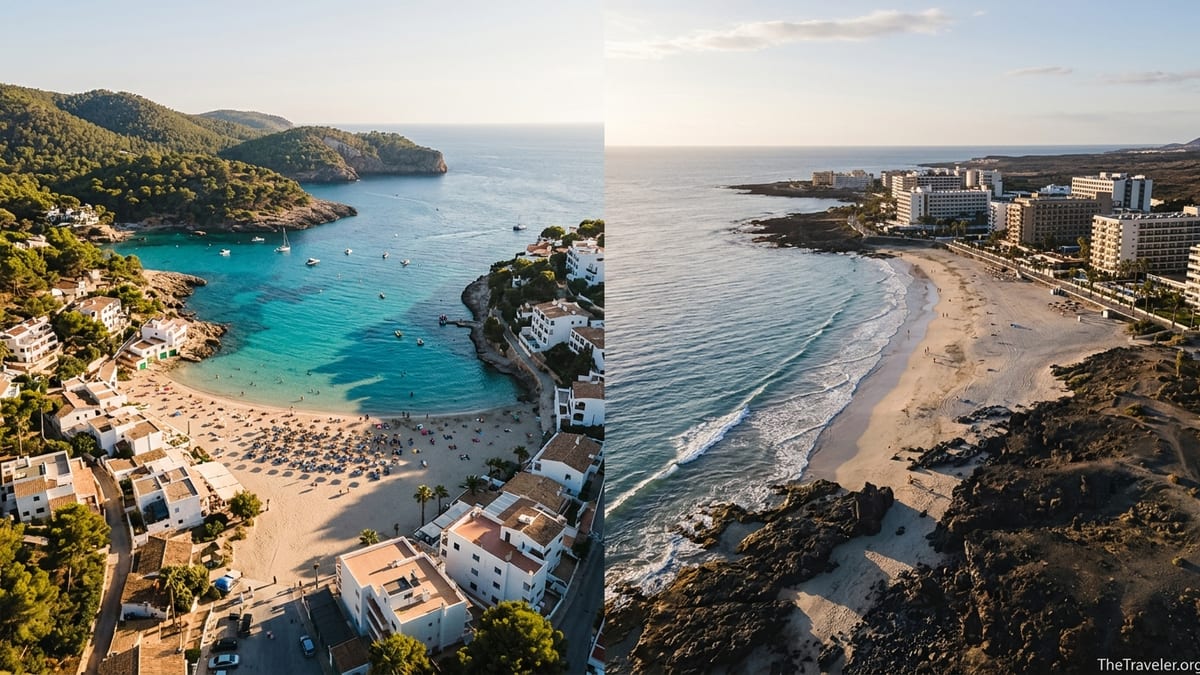
Mediterranean vs Atlantic: Why Timing Matters So Much
The Balearic Islands – Mallorca, Ibiza, Menorca and Formentera – sit in the western Mediterranean. Their climate is distinctly seasonal. Summers from June to early September are hot, dry and ideal for swimming, while winters are cooler, with changeable weather and a sea that stays chilly well into late spring. In Palma de Mallorca, average sea temperatures only creep past about 20°C in late May and peak around 26–27°C in August, so the true beach season is relatively concentrated from roughly June to September.
The Canary Islands – including Tenerife, Gran Canaria, Lanzarote and Fuerteventura – lie much further south off the coast of North Africa. Here the Atlantic moderates temperatures and creates a spring-like feel most of the year, with average air temperatures close to 21°C annually in places like Lanzarote. In January, daytime highs typically reach around 20–22°C in the south of Tenerife or Gran Canaria, and winter sea temperatures hover near 19–20°C. For many visitors from northern Europe or North America, those numbers still feel like summer.
These differences shape crowds and pricing. In the Balearics, peak tourism aligns with European school holidays in July and August, especially on Mallorca’s Alcúdia Bay or Ibiza’s San Antonio. In the Canaries there are two clear peaks: a winter sun high season from roughly late December through March driven by northern Europeans escaping the cold, and a second spike in August when Spanish families arrive. That means the “cheap and quiet” months are not the same in the two archipelagos.
Put simply: if you want reliably warm sea for long, lazy swims, you target late summer in the Balearics. If you want T-shirt weather in January and are happy with a slightly cooler ocean, you head for the Canaries. Everything else – nightlife, hiking comfort, rental car availability and hotel rates – flows from that basic climatic split.
Best Months for Beach Weather and Swimming
For classic Mediterranean beach holidays with bath-warm water, the Balearics shine from late June through early September. On Mallorca’s Playa de Muro or Cala d’Or, sea temperatures typically reach 24–27°C between July and September. In August, shallow coves on Mallorca’s east coast or Formentera’s Ses Illetes can feel almost like a warm pool, which is perfect for families with young children or anyone who wants long, leisurely swims without a wetsuit.
The trade-off is heat and crowds. Daytime highs in July and August often climb to 30°C or more in Ibiza Town and Palma, and beaches like Cala Comte in Ibiza or Es Trenc in Mallorca can feel packed from late morning onward. If you prefer a little breathing room but still want warm water, early to mid September is a sweet spot. The sea is at or near its annual peak, but many European families have already left, so you are more likely to find space on the sand and last-minute sunbeds.
In the Canary Islands, the sea never fully cools but it also rarely reaches the same bathtub temperatures. Around Lanzarote, official climate tables show average sea temperatures of roughly 18–19°C in January and 21–23°C between August and October. South coast resort areas such as Playa Blanca in Lanzarote or Costa Adeje in Tenerife often feel warmer than the raw numbers suggest on calm, sunny days, and strong sun means many visitors swim comfortably year-round.
If your priority is genuinely warm Atlantic water for extended swimming without a chill, late September and October are often ideal in the Canaries. The ocean has had all summer to warm, with typical sea temperatures around 22–23°C, air temperatures remain a pleasant 24–27°C in the afternoons, and humidity is lower than in high summer. Beaches at Maspalomas in Gran Canaria or Corralejo in Fuerteventura are still lively, but you will find more space than in August.
Winter Sun: Why the Canaries Win and the Balearics Rest
Winter is where the two archipelagos diverge most sharply. In the Balearics, November through March is off-season. Daytime highs in Palma and Ibiza Town usually run between about 14°C and 17°C, with cooler nights and a higher chance of rain or wind. You can absolutely enjoy outdoor cafés, sightseeing in Palma’s old town or hikes along Menorca’s Camí de Cavalls, but sitting on a beach in a swimsuit is hit-and-miss, and the sea, often around 14–16°C in January and February, feels bracing without a wetsuit.
Many beach clubs, smaller seaside hotels and seasonal restaurants in resort areas like Magaluf, Cala Millor or Platja d’en Bossa close from late October until around Easter. Ferries, buses and domestic flights continue to run, but the islands take on a quieter, more local rhythm. This is a fine time for cultural trips, cycling training camps or budget-friendly city breaks in Palma, but not for dependable winter sunbathing.
By contrast, winter is prime time in the Canary Islands. From roughly late December to March, southern resorts such as Playa del Inglés and Meloneras in Gran Canaria or Los Cristianos in Tenerife record daytime highs around 20–23°C with plenty of sunshine. Rain is usually limited and often concentrated on the greener northern slopes of the islands. On a typical January day, hotel guests breakfast outdoors in short sleeves, and by late morning many are sunbathing around pools or on beaches like Playa de las Vistas.
The sea in winter is cooler than in October but still swimmable for many, around 19–20°C. On calm days in sheltered spots like Puerto de Mogán’s small beach, you will see people of all ages in the water. For travelers from northern Europe, Canada or the northern United States, this feels like a minor climate miracle: four to five hours’ flight from London, Amsterdam or Frankfurt buys you almost guaranteed T-shirt weather in January, something most of mainland Europe cannot provide.
Crowds and Hotel Prices: When You Actually Save
Because the Balearics and Canaries serve different markets, their price curves do not line up. In the Balearics, hotel rates shoot up from late June through late August. A mid-range seafront hotel in Alcúdia Bay that might quote around 120–150 euros per night for a double room with breakfast in early May can climb to 250–300 euros or more in early August, especially if you are booking only a month or two in advance. Ibiza’s party hotspots, such as hotels near Playa d’en Bossa or San Antonio’s waterfront, see similar jumps, and minimum stay restrictions are common.
Outside high summer, prices in the Balearics drop significantly. In late April or early May, that same Mallorca property may return to roughly 100–150 euros per night, and many Ibiza hotels offer early-season deals to fill rooms before the big clubs fully kick into gear. By late October, when the sea is starting to cool but the weather is still pleasant, you can often find four-star hotels in resort areas at rates that would barely book a hostel bed in August.
In the Canaries, the pattern is more complex. Data from booking platforms and local tourism statistics indicate two pricing peaks: one in winter, another in August. For example, a cross-section of popular Canary Islands hotels on a major booking site recently showed average nightly base rates around 150–170 US dollars in January, dipping into the 120–140 dollar range in May or early June, then rising again for August holiday weeks. Government figures for average daily hotel rates show similar trends, with higher values in peak winter months and late summer compared with shoulder months.
If you are chasing lower prices in the Canaries while retaining good weather, look hard at April to mid June and late September to November, avoiding school holiday weeks and Christmas. In these windows you can often book a self-catering apartment in Costa Teguise or a four-star hotel in Puerto de la Cruz at noticeably lower rates than in January, yet still enjoy warm, mostly dry weather. The sweet spot for savings is smaller in the Balearics and usually falls in May and early June, plus late September and early October, when charter demand eases but beach conditions remain excellent.
Nightlife and Atmosphere: Ibiza vs Tenerife and Gran Canaria
Nightlife has its own seasonal rhythms that do not always follow the sun. In the Balearics, especially Ibiza, the club calendar is tightly focused on the European summer. Superclubs such as Ushuaïa, Hï Ibiza, Amnesia and Pacha traditionally host opening parties from late April or May, ramp up through June, peak in July and August and run closing parties in late September or early October. If your dream is to see big-name DJs, sunset pre-parties at Café del Mar and packed dance floors, plan between mid June and early September, and expect higher prices for everything from taxis to basic cocktails in San Antonio.
In low season, Ibiza’s nightlife becomes more local. Smaller bars in Ibiza Town and Santa Gertrudis stay open year-round, and there are weekend events, but the global club scene largely goes into hibernation. Mallorca’s party-oriented hot spots such as Magaluf and Playa de Palma follow a similar arc, with bars and clubs quiet or closed from November to March. Winter visitors still find tapas bars and a compact but lively nightlife scene in Palma, but the beach party experience is essentially seasonal.
In the Canary Islands, nightlife is more evenly spread across the year but changes character with the crowd mix. In Playa de las Américas in Tenerife or Playa del Inglés in Gran Canaria, you will find bars and small clubs open in January as well as in July. Winter evenings often see a mix of British, Irish, German and Scandinavian visitors in sports bars and live music venues, with a slightly older demographic. In summer, especially August, Spanish mainland visitors add a more youthful, late-night Mediterranean feel to the same strips.
If your priority is LGBTQ+ nightlife, Gran Canaria’s Yumbo Centre in Maspalomas is busy nearly year-round, with particular peaks during events such as Pride in May and November. For Canary nightlife with a more local flavor, Santa Cruz de Tenerife and Las Palmas de Gran Canaria offer terrace bars and live music scenes that are most lively during local festivals and weekends, often independently of tourist high season.
Month by Month: Choosing Between Balearic and Canary Islands
April and May highlight the contrast. In April, Mallorca and Menorca are greening up and ideal for cycling and hiking, but the sea is still cool for long swims. Temperatures usually sit in the mid to high teens Celsius, rising into the low twenties by May. Meanwhile, in the Canaries, April days often reach 22–24°C on southern coasts, with many visitors already swimming comfortably, especially in sheltered bays. A couple from Berlin wanting their first sun of the year might choose Gran Canaria in April, while a hiker from the UK might opt for a quiet, good-value Mallorca trip the same month.
June is transitional. In the Balearics, it often delivers near-peak conditions without the full crush of late July crowds. Sea temperatures in Ibiza and Mallorca usually pass 22°C, beach clubs reopen, and seasonal restaurants on Menorca’s south coast begin to buzz. On the Canary Islands, June feels similar to May: warm and sunny but often windier, especially in Fuerteventura and Lanzarote, which appeals to windsurfers and kitesurfers.
July and August lean toward the Balearics if you want high-energy beach life, ultra-warm sea and late-night Mediterranean buzz. Busy beach strips in Palma Nova or San Antonio are in full swing, and Formentera’s beaches feel like a postcard come to life. The Canaries at this time are warm, often a touch cooler than the Balearics, but busier and pricier than in shoulder months, especially in Spanish school holiday periods. Many regular Canary visitors actually avoid August because the experience is similar to September but more crowded and expensive.
September and October are where the decision becomes nuanced. For sun-and-sea travelers who can avoid school calendars, September in Mallorca, Ibiza and Menorca is arguably the best all-round month: sea temperatures still around 25–26°C, significantly fewer families than in August, and a more relaxed atmosphere in places like Port de Pollensa or Cala en Porter. In the Canaries, September and October mean warmer Atlantic water and slightly calmer trade winds, which suit beachgoers and swimmers. Someone chasing late-season warmth from northern Europe might, for example, spend a week in Mallorca in mid September for its still-summery beaches, but if they can only travel late October, Lanzarote or Tenerife would usually give a better chance of guaranteed pool and beach weather.
Lower Prices and Quieter Seasons: Smart Saver Windows
If budget and tranquility matter more to you than peak heat, look to the shoulder seasons. In the Balearics, late April to mid June and late September to mid October often offer the best value. During these times, large package-tour hotels in areas like Sa Coma, Santa Ponsa or Cala Bona reopen but are not yet full, so you may find package deals combining flights and accommodation at significantly lower prices than July or August. Rental cars are easier to secure cheaply too, which matters if you want to explore smaller coves like Cala Varques or remote viewpoints on Cap de Formentor.
In Menorca, which is quieter than Mallorca even in peak season, the difference between late June and early July prices can be striking. A family-friendly hotel with a pool in Cala Galdana might, for example, offer nightly rates under 200 euros if you visit mid June but jump well above that for the first two weeks of July. If you are flexible, slide your trip forward by two weeks and you still enjoy warm weather while avoiding the highest seasonal price tier.
In the Canaries, the true budget windows typically fall from late April to early June and again from mid September through November, outside of half-term and national holiday weeks. You might find a self-catering one-bedroom apartment with pool access in Puerto del Carmen, Lanzarote, dropping from roughly 90–110 euros per night in January to closer to 70–90 euros in May. Combined with cheaper flights in shoulder periods, that can cut the total cost of a one-week holiday by several hundred euros for a family of four.
Winter can be surprisingly expensive in the Canaries once you factor in Christmas, New Year and European school breaks in February. A four-star hotel in Costa Adeje that quotes 180–220 euros per night in mid January might drop to 140–170 euros in late April with almost identical daytime temperatures. If your main goal is sun rather than specific holiday dates, shifting travel just a few weeks either side of the winter peak can be one of the simplest ways to save.
The Takeaway
Choosing the best time to visit Spain’s islands begins with deciding what you want most: warm sea and classic Mediterranean summer, or reliable winter sun and milder extremes. The Balearic Islands are at their best for beach holidays from late June to late September, especially August and early September for truly warm water. Outside that window they are still attractive, but more for culture, hiking and cycling than daily swims. Prices, crowds and nightlife all follow that tight summer arc.
The Canary Islands, by contrast, offer something close to year-round spring, with an emphasis on winter. January in Tenerife or Gran Canaria can feel like May in Barcelona, and that makes them the logical choice for Europeans and North Americans chasing sunshine between November and March. Sea temperatures are cooler than the Balearics at their summer peak, but still comfortable for many swimmers, especially from late summer to early autumn.
If you are chasing lower prices without sacrificing too much on weather, target May and late September in the Balearics, and April to early June or late September to November in the Canaries, avoiding school holidays where possible. Families tied to July and August calendars might lean toward the Balearics for their warm seas and family-oriented resorts, while flexible couples, hikers and digital nomads could extract more value from the Canary shoulder seasons.
Ultimately there is no one “best” month that suits every traveler. A January week in Lanzarote might be perfect for a London-based couple desperate for dry, 21°C days, while that same week would disappoint someone expecting the kind of hot, late-night beach scene they saw in Ibiza in August. Matching your expectations about swimming, nightlife, crowds and budget to the right island and month is what turns a good holiday into a great one.
FAQ
Q1. Is January better in the Balearic or Canary Islands for beach time? In January the Canary Islands are the better choice if you want beach time. Southern areas of Tenerife, Gran Canaria and Lanzarote commonly see daytime highs around 20–22°C with sunny skies, so you can comfortably sunbathe and many visitors swim in water around 19–20°C. In the Balearics, January highs are closer to 14–16°C, the sea is much colder and resort areas are largely in winter mode.
Q2. When is the sea warmest in the Balearic Islands? The sea around Mallorca, Ibiza and Menorca is usually warmest from late July through September, often reaching about 25–27°C in August. Shallow coves and beaches with gentle shelving, such as those along Mallorca’s east coast or Formentera’s Platja de Ses Illetes, can feel especially warm. If long, relaxed swims are your priority, aim for mid August to mid September.
Q3. Are the Canary Islands warm enough for swimming in winter? For many people, yes. In winter the Atlantic around the Canaries typically sits near 19–20°C, which some find refreshing and others find cool. Calm, sunny days on sheltered beaches like Puerto de Mogán or Playa Blanca feel inviting for short swims, especially if you come from a much colder climate. If you are very sensitive to cooler water, you might prefer visiting in late summer or autumn when the sea is a couple of degrees warmer.
Q4. When are hotel prices lowest in the Balearic Islands? Prices are generally lowest between November and March, excluding Christmas and New Year, when many resort hotels are closed or operating with limited capacity. For a good balance of value and pleasant weather, late April to early June and late September to mid October often offer significantly lower rates than July or August while still delivering warm days and usable beach conditions.
Q5. When are hotel prices lowest in the Canary Islands? In the Canaries, the best value typically appears in late April, May, early June and again from late September to November, avoiding school holidays. Winter months such as January and February can be surprisingly expensive in popular southern resorts because of strong demand for winter sun. Booking midweek stays and considering less famous towns like Puerto de la Cruz or Arrecife can also help keep costs down.
Q6. Which islands are better for nightlife, and in which months? For headline clubbing and big-name DJs, Ibiza leads from late May through early October, with July and August the absolute peak. Mallorca’s Magaluf and Playa de Palma are also very lively in high summer. The Canary Islands have nightlife year-round in resort areas like Playa de las Américas and Playa del Inglés, but it is more bar-oriented and less dependent on a tight summer club calendar. Gran Canaria’s Yumbo Centre, for example, maintains a strong LGBTQ+ nightlife scene in both winter and summer.
Q7. Are the Balearic Islands good for a winter holiday if I do not need to swim? They can be, if your expectations are right. Winter in the Balearics brings cooler temperatures, occasional rain and far fewer tourists. Palma, Mahón and Ibiza Town are pleasant for city breaks with historic sites, cafés and local festivals, and the quieter roads appeal to cyclists and hikers. You just should not plan on consistent beach days or swimming without a wetsuit between roughly November and March.
Q8. What is the best time to visit with young children who need calm, warm water? For young children, late June to early September in the Balearics offers the warmest, calmest water, especially in sheltered bays like Alcúdia Bay, Cala Mondragó or Formentera’s beaches. If you need to travel outside the school summer holidays, early September is an excellent compromise, as the sea remains very warm but crowds thin. In the Canaries, late September and October often provide the warmest water and comfortable air temperatures for families.
Q9. How far in advance should I book for peak season in each archipelago? For July and August in the Balearics, booking flights and accommodation three to six months in advance is wise, especially for family rooms or popular seaside resorts. Club-focused travelers heading to Ibiza for specific events should sometimes plan even earlier. In the Canaries, peak winter weeks around Christmas, New Year and February school holidays also sell out early, so aim for at least three to four months’ lead time if you want southern beachfront hotels or larger apartments.
Q10. If I am flexible, is it better to choose May or October for lower prices and good weather? Both months can work well, but they favor different archipelagos. May is excellent value in the Canaries, with warm weather and fewer crowds, and a pleasant shoulder season in the Balearics for hiking and early beach days, though the sea is still on the cool side. October is often ideal in the Canaries for warm sea and comfortable temperatures, while in the Balearics early October can still feel summery, especially in the first half of the month, with noticeably lower prices than August.