

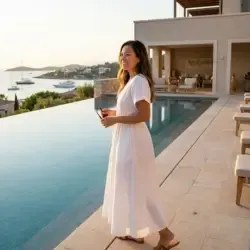
Spain’s islands offer some of Europe’s most seductive settings for couples, from pine-fringed Balearic coves to volcanic black-sand beaches in the Canaries. Yet each island has a very different mood. Whether you dream of boutique hotels tucked into cobbled old towns, barefoot days on near-empty sands, or stargazing above lava fields, choosing the right island can make the difference between a good trip and a life-memory romantic escape.
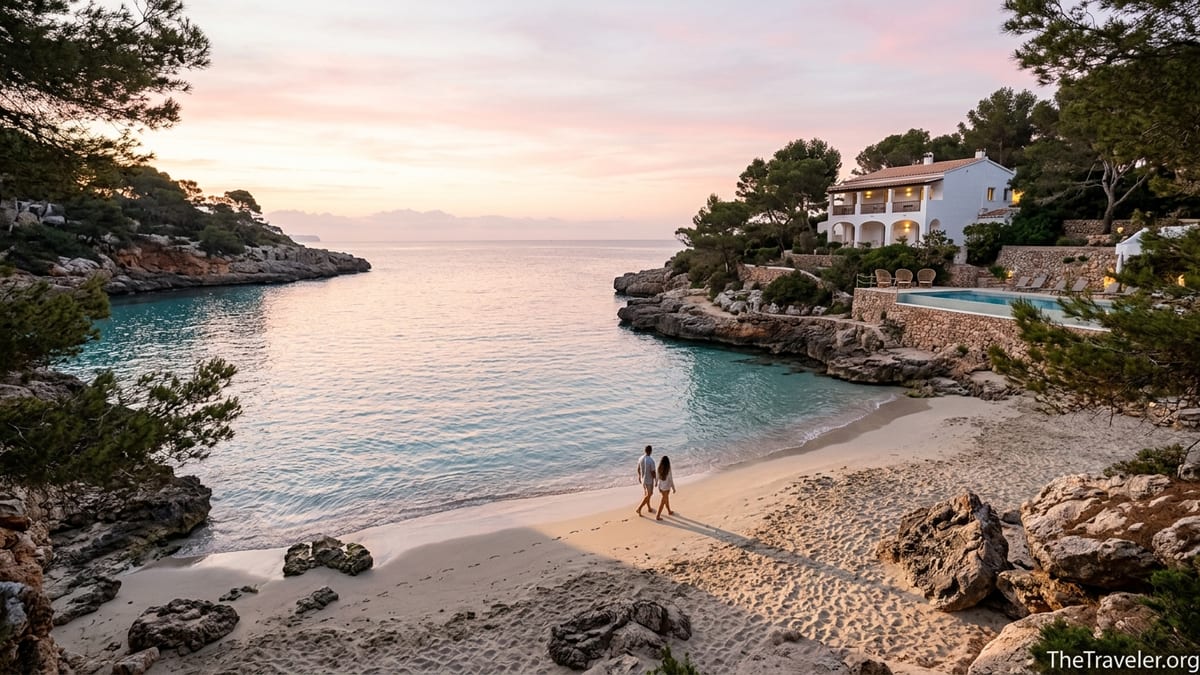
How to Choose the Right Spanish Island for Two
For couples, the Spanish islands break roughly into two groups: the Balearics in the Mediterranean and the Canary Islands in the Atlantic. The Balearics – Mallorca, Menorca, Formentera and Ibiza – feel summery and intensely seasonal, with warm, dry weather from roughly May to October. The Canaries – Tenerife, Lanzarote and La Palma – sit further south and work almost year-round, with mild winters and warm but often breezy summers. That matters if your honeymoon is in November or February rather than July.
Before booking, decide what balance you need between quiet and buzz. A couple who wants long lazy beach days and the occasional fine-dining dinner is likely to be happier in Menorca, Formentera or La Palma. Couples who want some nightlife or stylish beach clubs might lean toward Mallorca, Ibiza, Tenerife or Lanzarote, ideally choosing pockets that are removed from the loudest resort strips. In practice, you can often have both if you pick a rural or small-scale boutique hotel and then drive to busier spots for a night out.
Budget is another key factor. Boutique hotels on Mallorca and Ibiza in high season can easily start around the equivalent of mid-range city rates and climb quickly for design-led fincas or seafront suites, especially in July and August when demand peaks and many properties focus on quality over discounting. In the Canaries, by contrast, romantic adults-only resorts and small fincas can still feel comparatively good value, particularly in shoulder months like May, June, September and early December.
Privacy depends not only on the island but on micro-location. Rural hotels set among vineyards in Lanzarote’s La Geria region, old farmhouses in central Mallorca, or cliffside fincas in Ibiza’s north will feel far more secluded than any hotel on a busy bay, no matter how luxurious. When comparing islands for honeymoon-style trips, pay close attention to whether you are booking in a compact old town, a beach village, a countryside estate or a large resort area.
Mallorca: Classic Mediterranean Romance and Design Hotels
Mallorca suits couples who want variety without having to change islands. You can spend mornings hiking in the Tramuntana mountains, afternoons on pale-sand beaches like Es Trenc, and evenings in a stone courtyard under citrus trees. The island has invested heavily in stylish small hotels in recent years, with many 19th century manor houses and farm estates turned into chic rural retreats where breakfast is served under bougainvillea and rooms open onto private terraces or small plunge pools.
In the countryside, fincas around the central plain and foothills of the Tramuntana offer privacy and space. Recently profiled rural retreats emphasize that arriving often feels like reaching a private country house, with long driveways, old stone barns converted into suites and views across olive groves. In these places you are paying more for atmosphere and service than for flashy facilities: expect perhaps 10 to 30 rooms, a quiet pool, an honest kitchen using local produce, and staff who quickly remember your coffee order.
Palma de Mallorca, the island’s small capital, is another strong option for couples who like city energy with a romantic edge. Refurbished townhouses now operate as boutique hotels with fewer than 40 or 50 rooms, original frescoes in stairwells, stone-arched courtyards and rooftop terraces looking towards the cathedral or the bay. You can wander the old streets hand in hand, duck into wine bars, then return to a room that feels more like an elegant apartment than a typical resort suite.
For beaches, Mallorca works best if you rent a car and treat romantic coves as day-trip targets. Calas along the southeast and east coasts, such as those near Santanyí or around Cala Figuera, often mean parking above the bay and walking down pine-shaded paths to turquoise water. In high summer they can be busy, but in May, June, September and early October many still feel relaxed and couples can often find quieter corners, particularly early morning or towards sunset when day trippers have gone.
Menorca: Slow Travel, Secret Coves and Adults-Only Fincas
Menorca is the Balearic island for couples who prefer whisper-quiet beaches and long lunches to nightlife. It is smaller and less built up than Mallorca or Ibiza, with much of the coastline protected. That translates into a network of calas that often involve a short walk through rural paths before you emerge at perfect crescents of pale sand and clear water. Nude sunbathing is tolerated on some remote stretches, and even at more popular beaches it is relatively easy to find your own patch if you are willing to walk a little further than the main car park.
The boutique hotel scene on Menorca has grown steadily but remains low-key and intimate. Countryside properties like adults-only rural fincas hide behind dry-stone walls, surrounded by gardens and orchards. One widely recommended adults-only rural hotel sits in landscaped grounds a short drive from Mahón, combining old stone buildings, a pool shaded by olive trees and a feeling of being far from the coast crowds even in August. For many couples, the romance is in lingering over breakfast on a terrace scented with rosemary, then driving to a different beach each day.
In Mahón and Ciutadella, elegant townhouses have been converted into small boutique hotels, some with fewer than 20 rooms. A recent travel feature highlighted a salmon-colored 18th century townhouse in Mahón that has been transformed into an art-filled boutique stay, with high ceilings, terracotta floors and contemporary pieces on whitewashed walls. From places like this you can stroll to harbor-front restaurants in the evening, dine on fresh seafood and local wine, and return on foot through quiet alleys rather than needing a taxi.
For couples weighing Menorca against busier islands, the trade-off is clear: fewer big-name clubs and less late-night action, but more opportunities to feel alone on a trail or a clifftop at sunset. If your romantic ideal is swimming together in calm, clear water and lying under a parasol with only the sound of cicadas, Menorca will likely rank very high on your list.
Formentera: Barefoot Luxury and Near-Deserted Beaches
Formentera is the smallest of the main Balearic islands and has a very specific appeal for couples: it is almost entirely about the beach. The island is known across Europe for white sand and Caribbean-toned water, with long shallow shelves that encourage aimless floating and sandbars where couples pose for photos knee-deep in the sea. Nude or topless sunbathing is widely accepted on many stretches, which can add to the sense of freedom for some visitors.
There is no airport, so you reach Formentera by ferry from Ibiza, which helps keep it quieter and encourages a slightly higher-end, summer-house atmosphere. Accommodation ranges from modest apartments to small design hotels and renovated agroturismos. Many couples choose intimate hotels or guesthouses within walking distance of beaches like Platja de Migjorn or Playa de Ses Illetes, where sunset from simple chiringuito-style beach bars is part of the ritual. Rooms are often minimalist, with whitewashed walls, woven lampshades and wooden decks, creating a barefoot-luxury feel even if the service is relaxed rather than formally polished.
Because space on the island is limited, prices in July and August can be eye-watering, and many regulars now prefer June or September, when sea temperatures remain pleasant but there is more physical and visual space for lingering on the sand. A common honeymoon pattern is to spend a few nights in a countryside finca or quiet bay hotel in Ibiza and then take a private or scheduled boat across to Formentera for a few final nights of beach-only time with bicycles or a scooter as your main form of transport.
Formentera is not the place to look for big spa facilities or elaborate hotel restaurants. Its romance lies in simplicity: cycling past stone walls and fig trees, swimming from flat rocks into clear water, and dining in family-run restaurants with chalkboard menus. For couples who want to disconnect from work and social media, it can be the most effective reset of all the islands.
Ibiza: Hidden Fincas, Quiet Coves and Selective Nightlife
Ibiza’s reputation as a party island sometimes hides how good it can be for couples who want both romance and the option of nightlife. The trick is to stay away from the busiest resort strips and choose either a rural hotel or a smaller boutique property in quieter coastal areas. In recent years, travel editors and boutique specialists have highlighted a cluster of countryside fincas that offer exactly that: small-scale luxury, surrounded by fruit trees, where you hear cicadas more than bass lines.
For example, romantic boutique hotels in the hills above the west and north coasts tend to have under 40 rooms, pools with views across pine forests and simple but sophisticated restaurants serving Mediterranean menus built around local vegetables, seafood and Balearic wines. Some are refurbished farmhouses where thick whitewashed walls and wooden beams contrast with modern linens and large terraces. Others are coastal hideaways above coves like Cala Xarraca or Portinatx, where you can watch the sea change color through the day and be at a beach within minutes while still retreating to quiet at night.
If you prefer to stay closer to town, several small luxury hotels near Ibiza Town offer a different kind of romance. A notable example sits within the old fortified quarter, a converted early 20th century townhouse with only a handful of rooms, marble bathrooms and service structured more like a private members’ club than a resort. Here, the romance comes from being able to wander the ramparts after dinner, look back at the harbor lights and know you are just a short walk from your suite.
For couples debating whether Ibiza is “too much” for a honeymoon, the answer depends entirely on location and season. In May, June, late September and early October, even areas near big clubs feel more relaxed, and you can dip into nightlife for a single late night and then spend the rest of your stay at quiet coves, beach clubs with daybeds and long lunches, or on a boat trip to Formentera. If your ideal is a blend of spa time, stylish dining and one or two big nights out, Ibiza can be one of the best-balanced choices.
Tenerife: Boutique Comfort Amid Dramatic Volcanic Scenery
Tenerife, the largest of the Canary Islands, sometimes suffers from an image of large all-inclusive resorts, but couples willing to look beyond the main strips can find atmospheric boutique hotels that feel a world away from mass tourism. On the north coast, for instance, the small town of Garachico has gained attention in recent guides for its charming streets, natural sea pools and characterful hotels housed in historic mansions. One highly regarded boutique property here features a stone courtyard, individually designed rooms and a pool terrace oriented toward the Atlantic, making it popular with couples on road trips who want to slow down for a few nights.
Another style of romantic stay on Tenerife is the villa-style resort in the southwest, where private or semi-private pools, thick vegetation and Balinese-style daybeds create a cocooned atmosphere. Some high-end properties on this coast are now explicitly marketed to couples, with spa circuits, candlelit tasting menus and villas designed so that you might realistically not leave the property for two days if you did not want to. Yet you are still within a short drive of restaurants, beaches and whale-watching excursions departing from ports like Costa Adeje.
Tenerife also works well for active couples. You can hike through pine forests on the slopes of Teide, take a cable car to high viewpoints, or drive up above the cloud layer at sunset. Staying in or near traditional villages set back from the coast, you will find small family-run hotels or rural houses where breakfast might include local cheeses and jams, and nights are quiet enough to hear only wind and dogs barking in the distance. The volcanic scenery, from black-sand coves to lava fields, gives photos a moody, almost lunar quality that contrasts strongly with the softer Mediterranean islands.
Privacy here is less about completely empty beaches and more about being able to retreat into your own space after day trips. Many boutique hotels on Tenerife now incorporate features such as adults-only wings, spa access limited to certain hours, or suites with private jacuzzis or plunge pools, all of which suit honeymooning couples who value downtime as much as sightseeing.
Lanzarote: Design, Wine Country and Lunar Landscapes
Lanzarote has become a magnet for design-minded travelers, and that includes couples who want their hotel to feel as carefully composed as a gallery. The island’s strict building rules, heavily influenced by artist César Manrique, have kept construction low-rise and largely white, which gives many villages and resorts a coherent, almost sculptural look. Recent travel pieces have spotlighted small boutique properties in historic inland towns like Teguise, where converted houses offer just a handful of rooms around inner patios filled with tropical plants, and new adults-only retreats in the volcanic wine region of La Geria that are set among vineyards and black ash fields.
On the coast, there is a cluster of adults-only hotels in areas such as Playa Blanca and Puerto Calero. Some offer a conventional resort layout but cap the number of rooms and focus on quieter pools, spa treatments and long, late breakfasts with sea views. Others lean further into boutique style, with fewer rooms, design-led interiors and a focus on personalized service. A number of these properties specifically market themselves as ideal for couples who want a romantic and relaxing retreat, highlighting features such as room service breakfasts on the terrace, couples’ massages and dedicated sunset bars.
Lanzarote’s beaches are varied, from the broad sands around Playa Blanca to the wilder coves of the Papagayo area at the island’s southern tip. The latter, which involve a drive over rough tracks and a short walk, are especially popular with couples willing to trade facilities for landscape. Standing together on a clifftop here at golden hour, with ochre headlands and indigo water below, feels more like North Africa than the Mediterranean.
Because Lanzarote’s winter days are often sunny and mild compared with northern Europe, it has also become a favorite for off-season honeymoons. Couples can spend mornings exploring Manrique’s art and architecture, afternoons tasting local wines in family-run bodegas, and evenings dining in small restaurants where grilled fish and wrinkled potatoes with mojo sauce are staples. For a honeymoon that prioritizes design, scenery and good food over nightlife, Lanzarote compares very favorably with better-known Mediterranean islands.
La Palma: Quiet Starry Nights and Lush Green Valleys
La Palma, often called “La isla bonita,” is the least developed and most quietly romantic of the Canary Islands outlined here. Its steep ravines, laurel forests and pine-covered ridges lend it a far greener appearance than Tenerife or Lanzarote, and large areas are protected as biosphere reserve. For couples, the appeal lies in feeling far away from crowds, driving narrow roads that wind up to miradores, and returning at night to a cottage or small hotel where the main evening entertainment is stargazing from a terrace.
The accommodation mix on La Palma includes modest seaside hotels, rural casas with self-catering facilities, and a limited number of more polished boutique stays. Many of the most romantic options sit outside the main towns, on terraced hillsides or above the west coast, with maybe ten or fewer rooms, shared pools and panoramic views of the ocean and banana plantations. A number of properties are popular with hikers and nature-lovers, which often means breakfast is generous, staff know the trails well, and there is a quiet, early-to-bed rhythm ideal for couples who prefer sunrise hikes to late nights.
Beaches here are mainly black sand or pebbles, and while they lack the classic white-sand aesthetic, they are atmospheric. Watching waves roll onto dark lava sand at sunset feels elemental and intimate, especially when there are only a few other people around. Natural pools along parts of the coast provide sheltered swimming, and on calm days the water can be as clear and inviting as anywhere in the archipelago.
La Palma is particularly suited to couples who want their romantic escape to double as a digital detox. Mobile reception can be patchy in some valleys, and days easily fill with walks in the Caldera de Taburiente, drives through cloud forests or quiet hours reading in a hammock. Compared with louder islands, you sacrifice big-name restaurants and nightlife but gain the sense of being on a remote, almost secret island.
The Takeaway
Choosing the best Spanish island for a romantic or honeymoon-style trip is less about chasing a single “top” destination and more about matching your shared travel personality to each island’s character. Mallorca offers the most variety, with mountain villages, city-style boutique hotels and accessible beaches. Menorca excels at slow travel and intimate coves. Formentera is pure barefoot beach fantasy at its best in shoulder seasons.
Ibiza rewards couples who choose carefully, delivering a combination of rural fincas, bohemian beach clubs and the option of headline nightlife without having to stay in the middle of it. Tenerife and Lanzarote bring dramatic volcanic backdrops and year-round warmth, with an increasing number of adults-only and boutique stays designed with couples in mind. La Palma offers perhaps the greatest sense of escape, especially for walkers and stargazers.
As a rule of thumb, if you want nightlife and variety with some privacy, lean toward Mallorca, Ibiza or Tenerife. If you prioritize quiet beaches, understated boutique hotels and a feeling of discovery, Menorca, Formentera, Lanzarote and La Palma will likely come out ahead. Whichever island you choose, booking a smaller property in a less obvious location, traveling outside the very busiest weeks, and leaving space in your schedule for unscripted days will all increase the chances that this particular trip becomes one you remember together for years.
FAQ
Q1. Which Spanish island is best for a classic honeymoon with a bit of everything? Mallorca is often the best all-rounder, with a mix of stylish rural fincas, a charming capital city, good restaurants and a wide range of beaches within an hour or two’s drive.
Q2. We want almost total quiet and uncrowded beaches. Where should we go? Menorca and Formentera are strong choices, especially in May, June, September or early October, when their coves and long beaches are noticeably calmer than in high summer.
Q3. Is Ibiza suitable for couples who are not into clubbing? Yes, if you avoid the main party strips and stay in rural fincas or smaller hotels in the north and west, Ibiza can feel surprisingly peaceful while still offering great food and some nightlife options if you change your mind.
Q4. Which island is best for a winter honeymoon or romantic break? For winter, the Canary Islands work better than the Balearics. Tenerife and Lanzarote are particularly good bets for mild weather, boutique hotels and a mix of beaches and sightseeing.
Q5. Are there many adults-only boutique hotels on these islands? Adults-only options exist on all the highlighted islands, but they are especially common in Menorca, Ibiza, Lanzarote and parts of Tenerife, often marketed specifically for couples and honeymooners.
Q6. How far in advance should we book for a July or August trip? For popular islands like Mallorca, Ibiza and Formentera, booking at least six to nine months ahead is sensible if you want the most romantic small hotels and the best-located rooms or suites.
Q7. Do we need a car for a romantic stay on these islands? A car is very useful on Mallorca, Menorca, Ibiza and Lanzarote, where many of the best coves and rural hotels sit away from public transport routes. On smaller islands like Formentera you can manage with bicycles or scooters instead.
Q8. Which island is best if we love hiking as much as beaches? La Palma and Tenerife are ideal for serious hiking, while Mallorca’s Tramuntana mountains and some coastal paths on Menorca and Lanzarote also offer rewarding day hikes for active couples.
Q9. Are nude or clothing-optional beaches easy to find? Nude or topless sunbathing is accepted in many parts of Spain. Formentera is particularly known for relaxed attitudes on several beaches, and some more remote coves on other islands are informally clothing-optional.
Q10. How can we keep costs under control on popular islands? Travel in shoulder seasons, choose smaller boutique or rural hotels slightly away from famous hotspots, and plan a mix of restaurant meals and simpler picnics or tapas nights to enjoy the islands without overspending.