


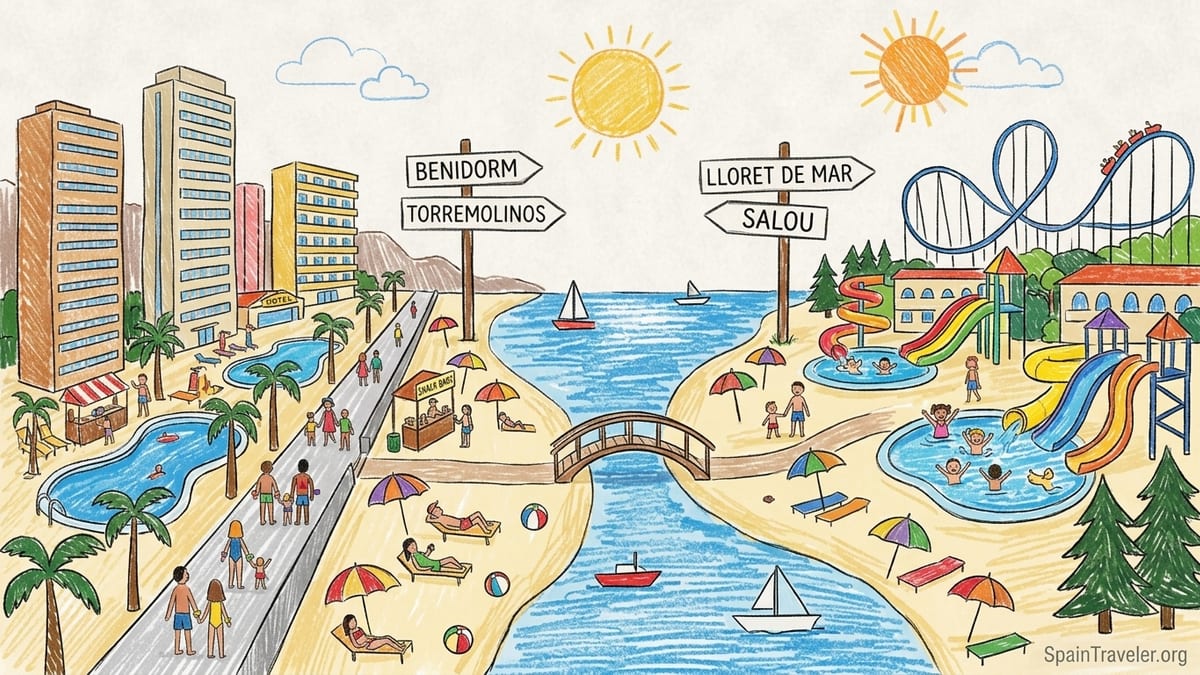
Spain’s Mediterranean costas are no longer just about self-catering apartments and beachfront bars. In 2026, the Costa Daurada, Costa Blanca, Costa Brava and Costa del Sol all have mature all-inclusive scenes, but they do not look or feel the same. From theme-park hotels outside PortAventura to big Benidorm towers and Lloret de Mar waterpark resorts, the style of “todo incluido” you choose will shape your entire holiday.
Where All-Inclusive Is Strongest: A Quick Snapshot
If you are specifically hunting for all-inclusive, it matters where you point your search. In 2026, the thickest concentration of all-inclusive options still lines the Costa Blanca and Costa del Sol, especially around Benidorm, Torremolinos and Benalmádena. These are the areas where you can scroll through dozens of packages on major holiday sites, from budget family 3-stars to polished 4-star adults-only hotels with spa access and branded drinks.
The Costa Brava, once dominated by simple half-board stays, is catching up quickly at the all-inclusive level. Lloret de Mar alone now lists several dozen all-inclusive or “pensión completa con bebidas” properties across big booking engines, with tour operators selling packages that bundle flights, transfers and resort-style complexes with splash zones. Costa Daurada, focused around Salou, La Pineda and Cambrils, also shows a deep, dedicated all-inclusive inventory, with some searches surfacing roughly fifty bookable properties that either market themselves as all-inclusive or offer it as a main board type.
By contrast, some quieter stretches of these coasts still work primarily on bed-and-breakfast or half board. Along the Costa Brava north of Lloret, or on less developed corners of the Costa Daurada, you will see fewer wristbands and more independent hotels or campsites. The picture is not uniform, so it is worth matching your expectations to each specific zone rather than assuming “Spain on the Med” offers a single model of all-inclusive.
Costa Daurada: Family All-Inclusive Meets Theme Parks
On the Costa Daurada, the strongest cluster of all-inclusive sits around Salou, La Pineda and the PortAventura World complex. Here, resorts like Estival Park Silmar in La Pineda blend classic buffet-driven all-inclusive with resort-style amenities such as multiple pools, a proper fitness club and easy access to a long sandy beach. Many stays include self-service beer, wine, soft drinks and basic cocktails throughout the day, along with buffet meals that lean toward international crowd-pleasers with a Spanish tilt.
PortAventura’s own hotels typically lean toward full board plus park access, but some offer packages that behave very much like all-inclusive from a family’s point of view: breakfast and dinner in the hotel, lunch vouchers for the parks and drinks included at set points. This format works particularly well if your main goal is roller coasters at PortAventura Park or Ferrari Land. You trade beachfront access for shorter walks to the gates, and you often get meal vouchers that are valid inside the theme park snack bars, which can save a family with teens a significant amount over paying day-by-day.
Pure beachfront all-inclusive is more limited here than in Benidorm or Torremolinos, but it exists. Properties like Best Cap Salou or Estival El Dorado in Cambrils sit directly on or very close to the sand and operate familiar buffets, with free-flow soft drinks and local alcohol, daily animation and evening shows. The vibe in Salou tends to be family-friendly, with kids’ clubs, mini discos and activities by the main pool, while Cambrils stays slightly calmer and attracts more couples and multi-generational groups who use all-inclusive as a base and then wander into town for tapas on a couple of evenings.
For transfers, most all-inclusive guests on the Costa Daurada fly into Reus or Barcelona, then use coach transfers arranged by tour operators. Package holidays often bundle a shared shuttle directly to Salou or La Pineda, which can cut hassle significantly if you are travelling with young children. If you plan to hire a car to explore Tarragona or the Priorat wine region, it can make sense to book hotel-only all-inclusive and handle the drive yourself.
Costa Blanca: Big Towers, Beach Clubs and Year-Round Buzz
The Costa Blanca is the heavyweight when it comes to sheer volume and variety of all-inclusive properties. Benidorm, with its skyline of tall hotels overlooking Playa de Levante and Playa de Poniente, hosts a dense mix of adult-focused and family all-inclusive resorts. Typical examples range from 4-star adult-recommended hotels like BCL Levante Club & Spa with spa access and multiple bars, to large family-oriented resorts around the Rincon de Loix with kids’ pools, evening shows and snack bars operating between meals.
Beyond Benidorm, the Costa Blanca all-inclusive scene extends to resorts just inland or along adjacent stretches of coast. Melia Villaitana, set back from the sea on a mock-Mediterranean village-style complex, often sells all-inclusive packages with multiple pools, golf nearby and a wide choice of dining spaces. There are also large camping-resort hybrids such as Alannia Costa Blanca that operate near-all-inclusive models with buffet restaurants, pool complexes and activity programs, especially popular with families driving in from elsewhere in Spain or France.
A distinctive feature here is the sophistication of the all-inclusive offering within certain local chains. For instance, Benidorm-based groups with several hotels in town sometimes offer “ultra all inclusive” formulas that cover branded spirits, snacks nearly around the clock and access to affiliated beach clubs. In some cases, staying at one flagship hotel on an upgraded plan allows limited access to other properties in the chain for themed dinners or rooftop cocktails, which brings some of the variety you would expect from a city break into a resort holiday.
On the practical side, prices along the Costa Blanca span from sharply priced 3-star all-inclusive packages in spring, often under mid-range hotel-only rates once you factor in food and drink, to summer peak weeks when Benidorm’s most popular all-inclusive resorts command premium pricing. Alicante airport, with plentiful low-cost flights from across Europe, makes access straightforward. Shared shuttle transfers to Benidorm or Albir are widely available and inexpensive, while private transfers make more sense if you are heading to resorts further south or inland.
Costa Brava: Lloret de Mar’s New Wave of All-Inclusive
For many years the Costa Brava, particularly around Lloret de Mar, Tossa de Mar and Blanes, was dominated by simple bed-and-breakfast or half-board stays. That picture has shifted. In 2026, Lloret de Mar alone lists several dozen all-inclusive options across international booking platforms and European tour operator brochures. Resorts like htop Palm Beach & SPA and Costa Encantada Suites & Resort structure their packages around three buffet meals, local drinks and a strong emphasis on pools and family activities rather than direct beachfront locations.
Most all-inclusive hotels in Lloret sit a short walk inland rather than on the sand itself. You might trade a five to ten minute stroll to the beach for larger pools, splash areas and bigger family rooms or suites. For example, suite-style resorts are particularly attractive to families of four or five who need a separate sleeping area for children but still want the convenience of an all-inclusive wristband. Many of these properties now include compact waterpark-style features such as multi-lane slides or splash pads, which can keep younger children happily on property for entire days.
Food and drink on the Costa Brava’s all-inclusive scene tend to follow the classic buffet model, with a mix of Mediterranean plates, grilled meats and pasta, plus a dessert station and show-cooking corners. Drinks are usually local brands, with international labels available at a surcharge. Compared with Costa Blanca and Costa del Sol, there are fewer ultra-premium or adults-only all-inclusive options here; the focus is strongly on value and families, particularly for drive-in guests from France and northern Spain. That said, some hotels now carve out adult-only rooftop terraces or quiet pool zones to appeal to couples out of school holidays.
Transfers here have a particular quirk. Many visitors fly into Girona airport on seasonal low-cost routes and take relatively short coach transfers to Lloret or Tossa. Others land at Barcelona and join longer shared shuttles heading up the coastal highway. It is worth checking whether your all-inclusive package includes late-night cold plates on arrival, because Girona and Barcelona arrivals often land at awkward hours and not all properties keep buffets open after midnight.
Costa del Sol: Beachfront Classics and Resort Strips
On the Costa del Sol, all-inclusive hotels stretch along the corridor between Torremolinos, Benalmádena, Fuengirola and, to a lesser extent, Marbella’s outskirts. Here you are much more likely to find classic beachfront or promenade-front hotels operating all-inclusive, where you can step from the pool deck straight onto a Blue Flag sand strip. Longtime favorites in Torremolinos and Benalmádena offer packages built around three main buffet services, snack times, and inclusive local beer, wine and mixed drinks, along with nightly entertainment such as live music, magic shows and quiz nights.
The character here differs from Benidorm or Lloret partly because of the longer-established international community in this part of Andalusia. You will see a mix of British, Irish, Scandinavian and Spanish guests, and many hotels run varied daytime activities from paddleboard taster sessions to aqua gym and dance classes. Some resorts, especially in Torremolinos, operate separate adults-only wings or pools while sharing buffet restaurants, giving couples space during the day while still benefiting from the scale of a larger property.
Costa del Sol all-inclusive properties also make strategic sense as a base for exploration. From Torremolinos or Benalmádena you can use the local train or organised excursions to visit Málaga city, Mijas Pueblo or even Granada on a long day trip, while keeping your resort as a predictable “home base” where meals and drinks are already paid. For families, this removes the stress of hunting for dinner each evening, but it is still easy to step off-property to try a chiringuito beach bar or old-town tapas one or two nights of the week.
Access is one of the Costa del Sol’s major advantages. Málaga airport sits only a short drive from the main resort strip, so shared shuttle transfers are quick and relatively inexpensive, and taxi or ride-hailing fares are manageable even for late arrivals. This convenience, combined with a deep inventory of hotels of all categories, helps explain why Costa del Sol occupancy regularly climbs into the high 80s and 90s in peak summer. If you want one of the better-located all-inclusive beachfront resorts in school holidays, it pays to book many months ahead.
Comparing What You Actually Get: Meals, Drinks and Extras
Across all four costas, “all-inclusive” usually means buffet breakfast, lunch and dinner, plus a selection of local drinks and snacks. The differences sit in the details. On the Costa Blanca and Costa del Sol, where competition is intense and repeat guests are common, some hotels have upgraded their programs to feature show-cooking stations, weekly theme nights and a small selection of branded spirits in the base package. By contrast, many Costa Brava and Costa Daurada properties still keep a simpler, volume-focused buffet and a shorter included drinks list, relying on location and pool complexes to deliver value.
In practice, a mid-range all-inclusive in Benidorm or Torremolinos might include draft beer, house wine, simple mixed drinks, coffee, tea and soft drinks from roughly 10:00 to 23:00, plus mid-morning and afternoon snacks. Ultra or “plus” options, sometimes sold as a supplement, might cover upgraded spirits, bottled drinks and extended bar hours. Theme park-associated hotels on the Costa Daurada sometimes replace standard lunch buffets with park vouchers, which can be a positive if you plan to spend your days on rides but less appealing if you prefer long poolside lunches.
Waterpark access is another dividing line. On the Costa Brava and Costa Blanca, several resort complexes integrate their own water slides, lazy rivers or kids’ splash worlds directly into the hotel grounds. In Lloret de Mar or inland Costa Blanca, this can be the main selling point, with marketing images dominated by colorful slides. On the Costa del Sol and Costa Daurada, waterpark access is often external: you stay all-inclusive in a hotel and purchase day tickets to nearby parks or municipal pool complexes. Families who prefer to stay mostly on property may find better value in a resort where the slides are part of the package.
Room types differ as well. Costa Blanca and Costa Brava resorts have made a particular push toward suites and apartment-style units that suit families, while many older Costa del Sol seafront hotels still offer mostly standard doubles with limited numbers of family rooms. When comparing prices, it is important to look not just at the star rating but at the actual square meterage of your room and whether you get a separate sleeping area for children. A slightly higher per-night rate for a one-bedroom suite on the Costa Brava may, in real comfort terms, beat a cheaper but cramped standard double elsewhere.
Kids’ Clubs, Entertainment and Atmosphere by Coast
For families, the quality of kids’ clubs and entertainment can matter more than brand names or even food variety. Costa Daurada resorts around Salou and La Pineda lean heavily into family animation, with daytime kids’ clubs, mini discos and character visits linked to nearby theme park branding. These are good choices if you want a holiday where young children are kept busy within a structured program and you plan to add one or two full park days.
On the Costa Blanca, Benidorm in particular splits into two broad atmospheres. Many central hotels, especially those near the Old Town or nightlife zones, cater more to adults and groups, with live music and late-night bars. Others further from the most intense nightlife market themselves as family-focused, with kids’ clubs, quieter evening shows and stricter noise policies. Checking recent guest reviews for comments on noise, pool rules and kids’ facilities is essential if you travel with under-10s and want early nights.
Costa Brava’s Lloret de Mar has historically attracted party-focused crowds, and that reputation still lingers around some budget hotels. However, the newer or freshly renovated all-inclusive resorts have been deliberately repositioning toward families, with supervised kids’ areas, early dinner timings and stricter security at night. If you care about a calmer atmosphere, it pays to focus on properties that highlight family-friendly animation in their description and to travel outside the height of July and August.
On the Costa del Sol, resort life tends to be a little more laid back, with a mix of family and adult guests often coexisting within the same large hotel. Daytime entertainment might include aqua aerobics, beach volleyball or language taster classes, followed by live bands or flamenco shows in the evening. Adults-only properties, while fewer than in some Caribbean destinations, do exist, particularly in and around Benalmádena and Torremolinos, offering quieter pools, spas and a focus on couples rather than families.
The Takeaway
If all-inclusive is your priority, it pays to choose your Spanish Mediterranean costa carefully. The Costa Blanca and Costa del Sol offer the deepest overall inventories, particularly around Benidorm and the Torremolinos to Fuengirola strip, where you will find everything from value 3-star packages to polished 4-star beachfront or adults-only properties. Costa Daurada and Costa Brava cannot match those numbers overall, but they deliver strong, concentrated pockets of all-inclusive around Salou, La Pineda, Cambrils and Lloret de Mar, often with theme parks or in-resort water slides as anchors.
Families who prize waterparks and large suites might lean toward inland Costa Blanca resorts or Lloret de Mar’s newer complexes, while thrill-seekers who want roller coasters with their buffet should look seriously at Salou and PortAventura-based stays. Travelers who want easy flights and fast transfers with direct beach access, plus the option of city excursions, are well served by the Costa del Sol. Meanwhile, those who like a mix of nightlife, high-rise views and competitive pricing will continue to find Benidorm hard to beat.
Whichever costa you choose, the same principles apply. Read the small print on what “all-inclusive” covers, look closely at the photos of pools and rooms rather than just star ratings, and check recent guest feedback for comments on noise, cleanliness and food quality. A little extra research on the front end will help you match the right Spanish Mediterranean all-inclusive to your own idea of a perfect holiday, whether that means kids on slides from dawn to dusk or quiet sundowners on a seafront terrace.
FAQ
Q1. Which Spanish Mediterranean costa has the biggest choice of all-inclusive resorts?
In practical terms, Costa Blanca and Costa del Sol offer the deepest overall inventories of all-inclusive properties, especially around Benidorm, Torremolinos and Benalmádena. Costa Daurada and Costa Brava have strong clusters, but not the same coast-long density.
Q2. Where should families with young children look for resorts with waterparks included?
Families who want on-site slides and splash zones should focus on larger resort complexes in Lloret de Mar on the Costa Brava and inland or outskirts resorts on the Costa Blanca, where waterpark-style pools are a major selling point and usually included in the all-inclusive package.
Q3. Is Costa Daurada mainly for theme park holidays or are there classic beach all-inclusives too?
Costa Daurada does both. Around Salou and the PortAventura complex you find park-focused hotels with meal plans that work like all-inclusive, while in Salou, La Pineda and Cambrils there are more traditional beachfront all-inclusive resorts offering buffets, drinks and kids’ clubs.
Q4. Are drinks as generous in Spain’s all-inclusives as in the Caribbean or Mexico?
Spanish all-inclusive programs usually focus on local beer, wine and simple mixed drinks, often with time limits such as 10:00 to 23:00. They can feel more restrained than many Caribbean or Mexican resorts, though some Costa Blanca and Costa del Sol hotels now sell upgraded or “ultra” packages with broader branded choices.
Q5. Which costa is best if I want easy airport transfers and minimal travel time to my hotel?
Costa del Sol is hard to beat for convenience, since Málaga airport sits very close to Torremolinos, Benalmádena and Fuengirola. Costa Blanca is also straightforward via Alicante for Benidorm. Costa Daurada and Costa Brava usually involve longer transfers from Barcelona or seasonal flights into smaller airports.
Q6. Do all-inclusive resorts on these costas usually have direct beach access?
Not always. On the Costa del Sol and parts of the Costa Blanca many all-inclusive hotels sit directly on or just off the promenade. On the Costa Brava and inland Costa Blanca, plenty of all-inclusive resorts are a short walk or shuttle ride from the beach but compensate with larger pools and family facilities.
Q7. Are there good adults-only all-inclusive options on the Spanish Mediterranean coast?
Yes, although they are a minority compared with family resorts. Costa Blanca and Costa del Sol have the most adults-only or adult-recommended all-inclusive hotels, often with quieter pools and spa facilities. On Costa Brava and Costa Daurada, adults-only choices exist but are fewer and less prominent.
Q8. How do meal options compare between the different costas?
All four costas rely heavily on buffet-style dining with a mix of Mediterranean and international dishes. Competition in Benidorm and along the Costa del Sol has pushed some hotels to add more live cooking and themed nights, while many Costa Brava and Costa Daurada resorts keep simpler but hearty buffets focused on crowd-pleasing favourites.
Q9. Is it easy to explore beyond the resort when staying all-inclusive?
Yes. On all four costas you can leave the hotel whenever you like to visit local towns, beaches or nearby cities, then return for included meals. Costa del Sol and Costa Blanca are especially good for this, thanks to rail links and frequent excursions to places like Málaga, Alicante or inland hill towns.
Q10. When is the best time of year to get value from an all-inclusive on these costas?
For best value, look at late spring and early autumn, when weather is still warm but prices and crowds are lower than peak July and August. During school holidays, all-inclusive on the main costas can still be good value for families, but the most popular beachfront resorts often need to be booked many months in advance.