


Southern Spain is one of Europe’s most rewarding regions for value, but recent price rises mean you still need a clear budget before you land in Seville or on the Costa del Sol. This guide walks through what a trip really costs today, with concrete examples from major destinations like Seville, Málaga, Cádiz and the Costa del Sol so you can build a realistic budget for your own style of travel.
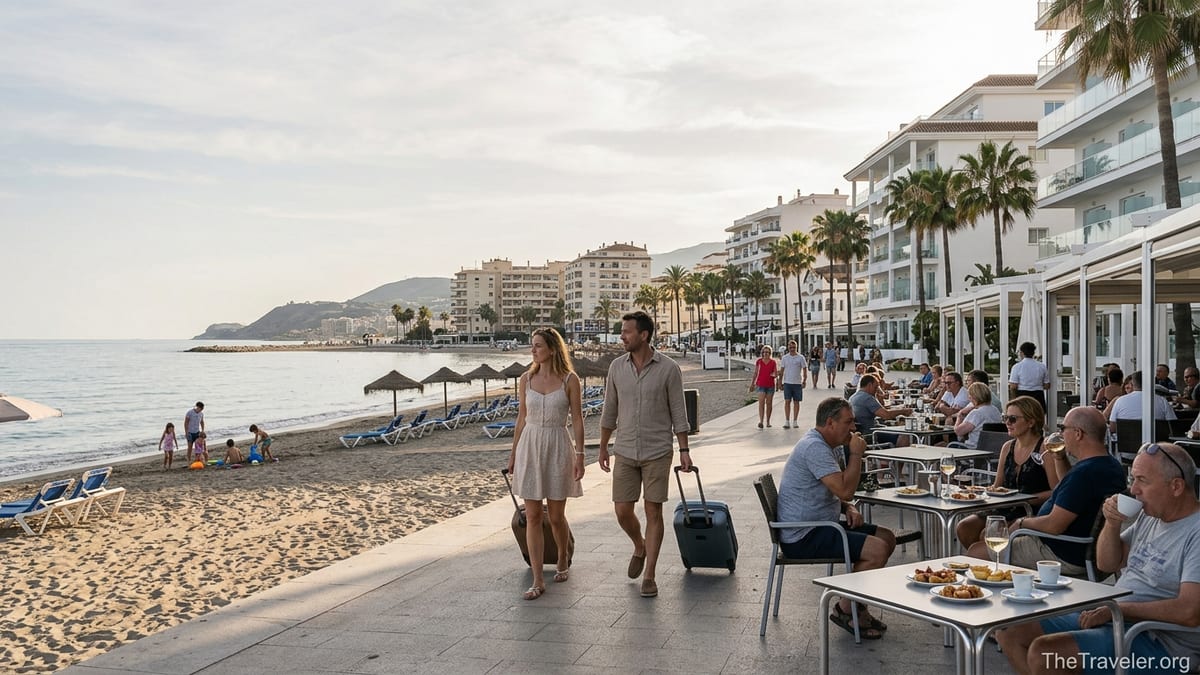
How Much Does a Southern Spain Trip Really Cost?
After several years of strong tourism and steady inflation, prices in southern Spain are no longer a bargain basement secret, yet the region still offers better value than many parts of Italy or France. Hotel and restaurant costs have climbed, but generous lunch menus, affordable public transport and a wide choice of accommodations mean careful planners can keep daily costs under control.
As a broad guideline, a budget traveler staying in hostels or simple guesthouses, using regional trains or buses and eating mainly casual meals can often travel in Andalusia for around 70 to 100 euros per person per day, excluding flights. Mid range travelers who want comfortable three and four star hotels in places like Seville or Málaga, a mix of tapas bars and sit down restaurants and a few guided tours typically spend 130 to 200 euros per person per day. At the higher end, couples staying in beachfront resorts near Marbella, booking private tours and driving a rental car should plan on 250 to 400 euros per person per day, especially in peak season.
Location and season are the two biggest variables. A three star hotel in inland cities such as Córdoba in November can cost less than half of a similar room at a Costa del Sol beach resort in August. The same is true for flights, car hire and even parking, which can be relatively inexpensive in winter but surge in summer holiday months when Spanish and European families head south.
Hotel and Beach Resort Prices in Southern Spain
In Seville, recent hotel data shows an average hotel rate roughly in the 100 to 120 US dollar range per night across all categories, with mid range three and four star hotels commonly selling standard double rooms around 90 to 150 euros depending on the month and how early you book. Simple but well located two star hotels or pensiones in the historic Santa Cruz neighborhood can sometimes be found for 60 to 90 euros per night outside the busiest festivals, while characterful boutique properties near the cathedral often start closer to 160 euros in high season.
On the Costa del Sol, where demand is higher and many properties cater to international holidaymakers, average nightly prices are significantly steeper. Recent price samples on major booking platforms suggest an average of around 300 to 350 US dollars per night for resort properties when you mix budget and luxury, with four star beachfront resorts in places like Marbella or Estepona commonly charging 220 to 400 euros per night in July and August. In shoulder months such as May or late September, those same resorts can drop to around 150 to 220 euros, especially for non refundable rates and weekdays.
Málaga city offers something in between. Central three star hotels near Calle Larios and the port often price doubles at 90 to 140 euros in spring and autumn, rising closer to 160 to 200 euros in peak summer. Budget travelers can still find basic but decent private rooms or hostels for 35 to 70 euros per night, particularly outside Easter, Feria and Christmas. Apartment rentals remain popular, but remember to factor in cleaning fees and the impact of local regulations, which can restrict supply and keep prices firm in the historic centers.
At the top end, famous luxury addresses along the Costa del Sol such as grand beachfront clubs and golf resorts regularly quote summer rates in the 600 to 1,200 euro per night range for standard rooms or junior suites. These properties often include extensive pools, kids clubs, on site restaurants and spa facilities, so their nightly rate can offset some activity and transport costs if you plan to stay largely within the resort.
Trains, Buses and Getting Around the Region
Spain’s high speed rail network makes moving between major southern cities fast and relatively affordable if you book ahead. Recent figures for the busy Madrid to Seville and Madrid to Málaga high speed corridors put the average one way ticket price just under 50 euros in standard class, though promotional fares bought weeks in advance can drop to around 25 to 35 euros, while last minute tickets for popular times can climb to 70 euros or more. Competing operators on these routes have helped keep prices in check, but trains still price dynamically, much like airlines.
Within Andalusia, high speed and conventional trains connect key cities such as Seville, Córdoba, Málaga and Granada. A typical one way ticket from Seville to Córdoba on a fast train can cost 15 to 30 euros, while Seville to Málaga on a high speed connection is often in the 25 to 45 euro range. Regional trains and buses are cheaper but slower. For example, a regional bus between Seville and Cádiz might cost around 15 to 20 euros one way and take about two hours.
Inside cities, public transport is generally inexpensive. A single city bus ride in Málaga or Seville tends to cost around 1.40 to 1.60 euros, and simple rechargeable cards or passes can bring the per ride cost down further if you stay several days. Taxis are widely available, with airport to city center transfers often falling in the 20 to 30 euro range in Seville or Málaga, depending on traffic and time of day. App based ride services operate in some larger urban areas, but not all smaller coastal towns.
If your itinerary is heavy on coastal villages or rural white towns such as Ronda, Frigiliana or Vejer de la Frontera, the limited public transport timetables can make a rental car worthwhile. Many travelers choose a hybrid approach, using high speed trains for long intercity hops and renting a car for just a few days on the coast or in the mountains to keep overall costs down.
Rental Cars, Fuel and Parking Costs
Competition among rental agencies in southern Spain keeps daily base rates relatively low outside peak summer. Small manual economy cars collected at Málaga Airport or Seville Airport can sometimes price as low as 15 to 25 euros per day in November or February when demand is low, though that figure often excludes essential extras like full insurance, additional drivers and one way drop fees. In late June through August, the same class of car can rise to 40 to 70 euros per day or more, especially if you book late or want an automatic transmission.
Fuel prices in Spain fluctuate with global markets but in recent years have often hovered around 1.60 to 1.80 euros per liter for gasoline, which translates to roughly 6 to 7 euros per 100 kilometers in a typical compact car that averages 6 liters per 100 kilometers. Driving from Málaga to Cádiz, for instance, is about 230 kilometers each way, so fuel for that round trip might cost 30 to 40 euros depending on your vehicle.
Parking is an often overlooked expense, particularly along the Costa del Sol where space is tight. In city centers such as Málaga, Seville or Granada, public underground car parks commonly charge 2 to 3 euros per hour with daily maximums around 20 to 25 euros. Some beachfront resorts include parking in the nightly rate, but many charge an additional 10 to 20 euros per day for secure on site spaces. Street parking can be cheaper, yet most central areas use blue or green paid zones with time limits and enforcement that is taken seriously.
Toll roads are less of a budget issue in this region than in parts of northern Spain since many formerly tolled sections of the main coastal highway have been de-tolled. However, you may still encounter some toll stretches depending on your route. Budget 5 to 10 euros per car per long driving day for the occasional toll, or use toll free routes and accept slightly longer journey times.
Food, Drinks and Daily Spending in Cities and Beach Towns
Eating out in southern Spain can still feel very reasonable compared with many Western European cities. Current crowd sourced cost of living data for Málaga suggests that a simple meal at an inexpensive restaurant averages around 15 euros, while a three course meal for two at a mid range restaurant typically totals 40 to 70 euros, before drinks, depending on location and menu choices. Tapas bars remain a budget friendly way to dine, with many places offering small plates for 3 to 5 euros each and house wine or small beers for 2 to 3 euros.
In practice, a modest daily food budget might look like a coffee and pastry breakfast for 3 to 5 euros, a sit down lunch with a fixed price menú del día for 12 to 18 euros including a drink, then a light tapas style dinner with a few plates and a glass of wine for another 15 to 25 euros. That adds up to roughly 30 to 45 euros per person per day for satisfying, largely restaurant based meals in cities such as Seville, Cádiz or Málaga. Self catering with supermarket groceries and picnic lunches can reduce that figure dramatically, sometimes to 15 to 20 euros per day.
Beachfront locations and heavily touristed strips on the Costa del Sol tend to be more expensive for drinks and food than backstreets a few blocks inland. A glass of wine that costs 2.50 euros in a neighborhood bar in Málaga city can easily be 5 or 6 euros at a prime seafront chiringuito in Marbella. Cocktails in high end beach clubs often start at 12 to 18 euros, more in peak summer evenings. If you enjoy long afternoons at beach bars, it is worth adding an extra 15 to 30 euros per day to your budget for drinks and snacks.
Breakfast is usually the easiest meal to keep cheap. Many cafés offer a typical Andalusian breakfast of toast with olive oil and tomato plus coffee for 3 to 4 euros. Ordering at the bar, choosing house wines, and looking out for lunchtime menus instead of dining at tourist focused restaurants at 7 p.m. can all help keep your total food spend in check without sacrificing quality.
Attractions, Tours and Beach Activities
Major cultural attractions in southern Spain are still relatively affordable in global terms, though top sites have introduced dynamic or seasonal pricing. In Seville, entry to the famous cathedral and Giralda tower is typically around 12 to 15 euros per adult, while the Real Alcázar often ranges from about 14 to 18 euros depending on the time and any temporary exhibitions. In Granada, tickets for the Alhambra complex generally fall between 19 and 25 euros for standard visits, with nighttime visits priced separately.
Smaller monuments, museums and churches often charge just a few euros or operate on a suggested donation. The Picasso Museum in Málaga, for example, has charged around 12 euros for general admission in recent years, with combined or temporary exhibition tickets slightly higher. Many cities also offer free entry periods one afternoon a week or special days, which can reduce sightseeing costs if you plan ahead.
Guided walking tours in historic centers such as Cádiz or Córdoba typically cost 15 to 25 euros per person for a 2 to 3 hour small group experience, while private guides for a couple or family start around 120 to 180 euros for a half day. On the coast, popular day trips include boat excursions to see dolphins near Gibraltar or sailing outings along the Costa del Sol, which often cost 40 to 80 euros per person depending on duration and group size.
Beach activities introduce another budget layer. Sun lounger and umbrella rentals at many Andalusian beaches cost roughly 10 to 18 euros for a pair per day, though some basic stretches of sand remain free if you bring your own towel and shade. Jet ski rentals and parasailing sessions at resort towns can cost 60 to 100 euros per person. Families should also plan for small daily extras such as ice creams, paddle boat rentals or amusement rides on seafront promenades.
Sample Daily Budgets for Different Travel Styles
For a budget traveler combining historic cities and a few days on the coast, a workable per person daily budget might start around 80 to 100 euros, not including arrival flights. That could cover a hostel bed or very simple private room for 30 to 50 euros per night when shared between two people, roughly 25 to 35 euros per day in food using a mix of supermarket meals and tapas, 10 to 15 euros for local transport and the occasional regional bus, and 10 to 20 euros for attractions or occasional tours.
A realistic mid range budget for a couple visiting Seville, Córdoba and Málaga in shoulder season often lands between 150 and 200 euros per person per day. In this scenario, you might spend 80 to 140 euros per night on a comfortable central hotel room shared between two, roughly 40 to 60 euros per day on meals and drinks, 15 to 25 euros on local transport and taxis, and 15 to 30 euros on museum entries or guided walks. Adding one or two long distance high speed train journeys at around 40 to 50 euros each will raise your average slightly on travel days.
For an upscale beach focused holiday along the Costa del Sol, including a rental car and a resort stay, budgets escalate quickly. A good four star seaside resort might cost 220 to 350 euros per night in summer, shared between two people, so 110 to 175 euros per person just for accommodation. Daily restaurant spending including drinks could easily reach 60 to 90 euros per person if you dine at higher end spots and order cocktails. Add 15 to 25 euros per person per day for a rental car, fuel and parking, plus 20 to 40 euros for loungers, spa access or activities, and it is easy to reach 250 to 350 euros per person per day.
Families often benefit from apartment rentals and shared expenses. A two bedroom apartment in Cádiz or Nerja outside peak summer might cost 120 to 180 euros per night for four people, which can bring individual accommodation costs below 50 euros each. Cooking some meals at home and using local buses instead of taxis can keep total per person daily costs closer to the mid range level, even with children in tow. However, family budgets should include generous allowances for snacks, ice creams, beach toys and spontaneous activities that are hard to resist on holiday.
The Takeaway
Southern Spain remains a strong value destination, but it is no longer a place where you can count on ultra low prices year round. Hotel rates, restaurant tabs and train fares have all edged up in recent years, especially at peak times and in heavily touristed zones along the Costa del Sol. The good news is that by mixing travel styles and choosing your season carefully, you can still experience the region’s palaces, plazas and beaches without overspending.
Travelers who focus on shoulder seasons, book high speed trains ahead of time, stay slightly away from the most touristed strips and embrace tapas bars and lunch menus will typically find their daily costs coming in below those of many comparable Mediterranean destinations. Those who want high season beachfront luxury and lots of paid activities will need to plan substantially higher per person budgets, but will also enjoy a polished hospitality infrastructure that delivers comfort and convenience.
Ultimately, building a realistic budget for southern Spain starts with honest decisions about where you want to splurge and where you are willing to save. Use the ranges and examples here as a framework, then price out your specific dates and priorities. With that groundwork done, you can spend your days wandering Seville’s orange scented lanes or watching the sun set over the Costa del Sol, confident that your spending matches your expectations.
FAQ
Q1. How much should I budget per day for a trip to southern Spain?
For most travelers, a realistic daily budget excluding flights runs from about 80 to 100 euros per person for backpacker style trips, 130 to 200 euros for comfortable mid range travel, and 250 euros or more for high season resort stays and private tours.
Q2. When is the cheapest time of year to visit southern Spain?
The most economical periods are typically from November to early March, excluding Christmas, New Year and Easter. Hotel prices in cities like Seville and Málaga often drop significantly compared with April to October, though some coastal resort facilities may reduce services in winter.
Q3. Are trains in southern Spain cheaper than renting a car?
For point to point travel between major cities such as Madrid, Seville, Córdoba and Málaga, trains are usually more cost effective and faster, especially if you book advance fares. A rental car becomes better value if you want to explore smaller coastal towns and rural villages that are poorly served by public transport or if you are sharing costs among several people.
Q4. How expensive are beach resorts on the Costa del Sol?
Mid range beachfront hotels in areas like Torremolinos, Fuengirola or Marbella often charge around 150 to 250 euros per night in summer for a double room, while upscale resorts and beach clubs can easily exceed 300 to 400 euros. Outside peak months, rates can fall by 30 percent or more, especially on weekdays.
Q5. What do typical restaurant meals cost in cities like Seville or Málaga?
Inexpensive restaurants and tapas bars often offer filling dishes for 10 to 15 euros, while a three course meal at a mid range restaurant usually costs 20 to 35 euros per person before drinks. Using fixed price lunch menus and sharing tapas plates can keep average daily food spending in the 30 to 45 euro range.
Q6. How much should I expect to pay for major attractions?
Entry to headline sites such as the Seville cathedral, the Alcázar or the Alhambra typically ranges from about 12 to 25 euros per adult. Smaller museums and monuments often cost between 3 and 10 euros, and many offer occasional free entry periods, so a daily sightseeing budget of 10 to 25 euros per person is usually sufficient.
Q7. Is southern Spain still good value compared with Italy or France?
In general, yes. While prices have risen, hotel and restaurant costs in Andalusian cities and many coastal areas remain lower on average than in major Italian or French destinations. Travelers who lean on public transport, local bars and lunch menus often find their overall spend noticeably lower than in Rome, Paris or the French Riviera.
Q8. How much does a rental car cost in southern Spain?
Outside peak summer, small manual cars can often be rented from about 20 to 35 euros per day before insurance and extras, while July and August rates more commonly sit between 40 and 70 euros per day. Remember to include fuel, tolls and parking when comparing against train and bus costs.
Q9. Do I need to tip in restaurants and for tours?
Tipping in Spain is modest compared with North America. Service charges are usually included, so rounding up the bill or leaving 5 to 10 percent for good service is appreciated but not obligatory. For guides on walking tours or day trips, a few euros per person is customary if you enjoyed the experience.
Q10. How far in advance should I book trains and hotels to get good prices?
For popular routes like Madrid to Seville and Madrid to Málaga, booking high speed train tickets 4 to 8 weeks ahead often yields the best mix of price and flexibility. Hotels in major cities or beach resorts generally reward booking one to three months ahead, especially for Easter, local festivals and summer school holidays.