


Southern Spain rewards almost any month of the year, but the experience you get in Seville, Málaga, Granada or Cádiz changes dramatically between January and August, or between Easter week and a quiet November Tuesday. If you are choosing dates for a trip and want the best mix of sightseeing weather, beach time and reasonable prices, it pays to be strategic. This guide breaks down southern Spain month by month, then compares spring, summer, autumn and winter so you can match your travel dates to the kind of holiday you really want.
How Southern Spain’s Seasons Really Feel
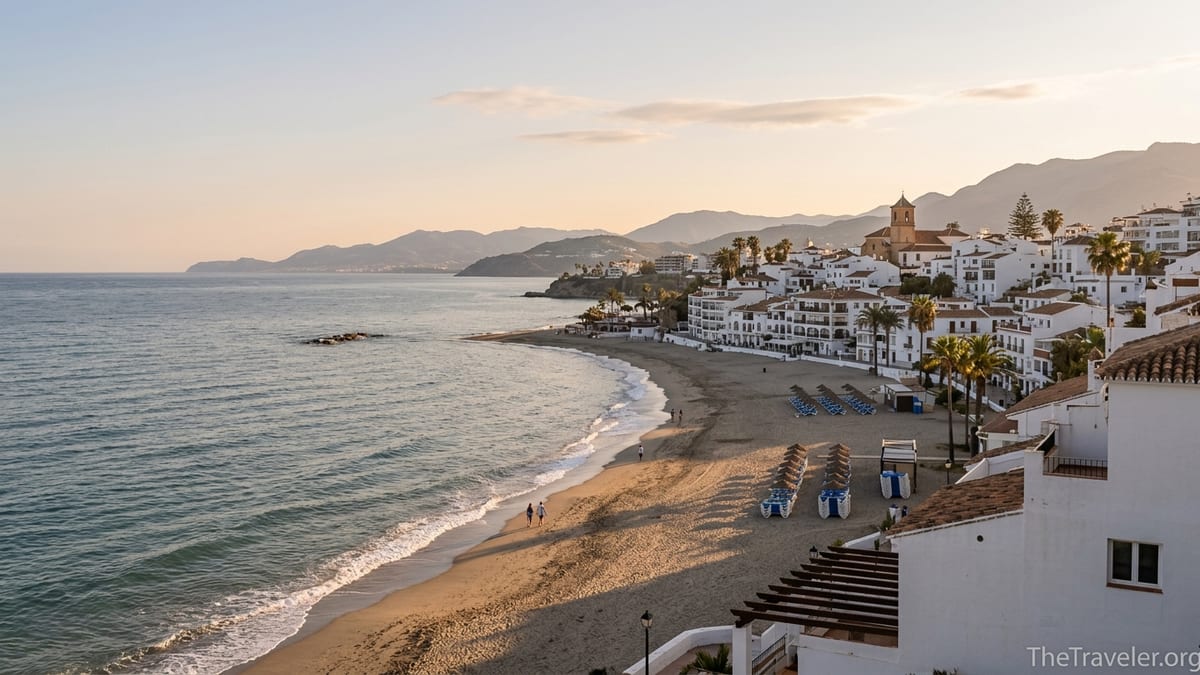
On paper, southern Spain is “mild Mediterranean” all year. In reality, Seville can sit above 40°C in July and August, while coastal Málaga basks in sea breezes and mid 30s. Inland cities like Córdoba and Granada swing between near-freezing winter nights and intense summer afternoons, whereas the Costa del Sol is far more even, staying pleasant for café terraces in January and warm enough for sea swims from roughly late May to early October. For trip planning, it is more useful to think in travel seasons than just calendar seasons.
High season for international visitors tends to run from late May through early September along the coast and during Easter week and big ferias in cities such as Seville and Málaga. Prices and occupancy data from local tourism offices show hotel rates on the Costa del Sol peaking in July and August and dropping noticeably in November and January, even at well-known beach resorts. You will feel this in practice as a three star hotel in central Málaga that costs around 80 to 100 euros per night in November jumping closer to 150 euros or more in August for the same room category, depending on demand.
For city sightseeing, shoulder seasons are king. March, April, May, late September and October usually bring daytime highs in the low to mid 20s in Seville and Granada, with cooler, fresher conditions in coastal spots like Cádiz and Nerja. That makes queueing for the Alhambra in Granada, climbing the Giralda tower in Seville or walking the Caminito del Rey gorge near Málaga comfortable rather than punishing. Winter, from December to February, is often bright and crisp, with occasional rain, cheaper hotels and the possibility of skiing in the Sierra Nevada in the morning and having tapas under blue skies in Granada in the afternoon.
Month by Month: Southern Spain at a Glance
January and February are low season almost everywhere except for New Year and a brief bump around the Three Kings festivities in early January. Expect cool mornings, daytime highs around the mid to high teens along the Costa del Sol and slightly cooler inland. In practice, you will see locals in coats while visitors from colder countries happily sit in the sun at Plaza de la Constitución in Málaga in just a sweater. Sea temperatures are too chilly for most swimmers, but it is a great time for road trips along the white villages route between Ronda and Grazalema, or for unhurried museum visits in Seville and Córdoba without tour group congestion.
March and April feel like the beginning of “real” travel season. Orange blossoms perfume Seville’s Barrio Santa Cruz, jacaranda trees start to flower later in spring, and café terraces fill. However, Easter week, known as Semana Santa, transforms Seville, Málaga, Granada and many smaller towns into one of the busiest, most atmospheric but also most crowded times of the year. Religious processions, marching bands and huge wooden floats shut down streets and send hotel prices soaring. A midrange hotel in Seville that may be 120 euros in early March can be double that during the core days of Holy Week. Two weeks later, Seville’s Feria de Abril brings another spike, with casetas, horse carriages and late night flamenco filling a vast fairground and making rooms scarce across the city.
May and June are arguably the sweet spot if you want long days and warm evenings without the full intensity of summer heat. In Málaga, daytime temperatures often sit in the mid 20s to low 30s by June and the sea starts to feel genuinely swimmable. Beach clubs in Marbella and Torremolinos are in full swing, but you can still find midweek bargains outside holidays. Inland, Córdoba hosts its famous Patio Festival in May, opening up flower decked courtyards to visitors and drawing crowds, yet daytime temperatures are usually manageable for sightseeing with an early start and a siesta.
July and August are full summer. On the coast, this means packed beaches from Benalmádena to Estepona, sunbeds booked out by late morning, and families from across Europe filling seafront apartments and all inclusive resorts. Expect higher nightly rates and minimum stays in popular hotels, and busy roads at weekend changeover days. Inland, Seville, Córdoba and parts of inland Málaga province get very hot in the afternoon. Many locals leave or shift daily life into late evening, with tapas bars in Seville’s Alameda de Hércules area buzzing after 10 pm. In the second half of August, Málaga’s weeklong feria brings fireworks, music and crowds to both the historic centre and a dedicated fairground, creating a memorable but intense city break.
September and October are often ideal for those who want both city time and beach time. The Mediterranean stays warm enough for swimming, beaches are quieter once Spanish school holidays end, and coastal towns like Nerja, Estepona and Conil de la Frontera feel more relaxed. Inland, daytime highs fall back into the 20s, making it much easier to spend several hours exploring the Mezquita in Córdoba or the Albaicín in Granada. Hotel prices begin to soften compared with peak summer, especially midweek, and you can often secure good deals on rental cars for a circular route such as Málaga to Ronda, then over to Jerez and back via the Cadiz coast.
November and early December bring shorter days and a mix of crisp, sunny spells and occasional rain. Tourism slows in many coastal resorts, with some chiringuito beach bars closing midweek, but larger cities retain their year round life. This can be an excellent time for budget conscious travellers who prioritise museums, food and local culture over beach time: you might pay under 70 euros per night for a simple but central hotel in Cádiz that would cost significantly more in summer. Late December and the Christmas and New Year period see another small price rise and more local events, from festive lights along Málaga’s Calle Larios to New Year celebrations in city squares.
Best Time for City Sightseeing: Seville, Granada & Beyond
If your main focus is architecture, history and walking tours in cities like Seville, Granada, Córdoba and Cádiz, spring and autumn are usually the best bets. From roughly mid March to early June and late September to early November, daytime highs inland are often in the low to mid 20s, ideal for spending several hours outdoors. In practice, this means you can join a morning walking tour of Seville’s Santa Cruz quarter, visit the cathedral and Alcázar in the same day, and still have energy for tapas in Triana without feeling drained by heat. In Granada, spring and autumn let you climb up through the Albaicín to Mirador de San Nicolás for Alhambra views without stopping in every patch of shade.
The main trade off is crowd level. Spring in Seville and Málaga is busy even on ordinary weeks, and gets extremely busy around Semana Santa and Feria de Abril. Reservations for the Alhambra in Granada regularly sell out weeks ahead for popular dates in April and May. To hedge your bets, consider late February or early March for Seville and Córdoba, or the second half of October for Granada, when tour groups thin out but the daytime weather is still comfortable. Another tactic is to base yourself in a smaller city like Jerez de la Frontera or Antequera and visit larger cities as day trips by train or rental car, returning to quieter streets and more relaxed dining in the evening.
Summer city breaks are still possible, but they require adaptation. In July and August, plan indoor or shaded activities between roughly 1 pm and 6 pm in Seville or Córdoba. Many locals head home for a long lunch and siesta during these hours, then reappear around sunset. You can copy this rhythm by booking early entry slots for major sites, long midday museum visits with air conditioning, and late dinners. Winter city trips, meanwhile, let you see Seville’s cathedral lit with low winter light, enjoy hearty stews in Granada and experience local Christmas lights without the cost of high season. Just pack layers and expect some days with rain or chilly wind, especially in inland cities.
Best Time for Beaches, Swimming & Coastal Towns
Along the southern Spanish coast, from the Costa del Sol to the Costa de la Luz, the key questions are: when is the water warm enough to swim, and when are the beaches pleasant but not overcrowded. In general, hardy swimmers start taking dips from late May, but most visitors find the sea genuinely comfortable from June through late September on the Mediterranean side near Málaga, Marbella and Nerja. On the Atlantic side around Tarifa and Cádiz, the water tends to be cooler and windier, so peak swimming season may feel narrower, focused on July and August.
If you want a classic beach holiday with near guaranteed hot days, buzzing seafront promenades and full services open, late June to early September is the most reliable. Towns like Torremolinos, Benalmádena and Fuengirola fill with families, while Marbella and Puerto Banús attract a mix of luxury travellers and nightlife seekers. Expect to pay premium rates for seafront hotels and for extras such as sunbed rentals. For example, a double room at a well located four star hotel on Marbella’s beachfront might be several hundred euros per night in August, versus under half that in November.
For many travellers, the best compromise between warmth and space is early summer or early autumn. In the first half of June, coastal towns are already lively but not at full capacity, and sea temperatures have usually risen enough for comfortable swims. Similarly, mid September can bring golden, warm days, warm water and quieter beaches after Spanish families return home. This is an excellent time for coastal walks near Nerja’s cliffs, day trips to pretty whitewashed villages like Frigiliana, or combining a few beach days with city excursions to Málaga’s museums.
Winter by the sea is a different kind of charm. You will not be sunbathing in a swimsuit most days, but you can stroll empty stretches of sand near Cádiz under a soft winter sun, enjoy fresh seafood in small towns like Sanlúcar de Barrameda at off season prices, and sleep in seafront hotels that would be financially out of reach in August. Many chiringuitos reduce their hours or close, particularly in smaller resorts, but larger towns such as Málaga, Cádiz and Almería remain active year round, with indoor attractions and local bar scenes largely unaffected by the season.
Heat, Crowds & Prices: Spring vs Summer vs Autumn vs Winter
Spring in southern Spain, particularly from late March to May, combines generally pleasant temperatures with some of the year’s biggest cultural events. Seville’s Semana Santa and Feria de Abril, Córdoba’s flower filled patios, and Málaga’s film festival all fall in this window. The upside is exceptional atmosphere and photogenic streets. The downside is that hotel rates can spike dramatically around specific dates, trains and flights book out early, and central streets can feel overcrowded, especially in Seville during Holy Week when processions occupy key routes and make moving around slower and more complicated.
Summer is simpler to describe: hot, lively and expensive in the most popular places. On the Costa del Sol, occupancy rates and average room prices tend to peak in July and August, reflecting school holidays and European travellers descending on the coast. In Seville or Córdoba, high temperatures push many visitors to plan their main sightseeing in the early morning and late evening, or to skip these cities in favour of coastal bases. If you are sensitive to heat, or travelling with young children or older family members, summer inland might not be ideal. On the other hand, if your priority is nightlife and busy beaches, and you are happy to pay high season rates, then July and August deliver exactly that.
Autumn offers a softer version of spring. September and October feel warm but less frenetic, with fewer major festivals to drive prices up and more flexibility for last minute bookings. Vineyards near Jerez are in harvest, inland forests around Huelva and Grazalema start to shift into autumn colours, and city crowds ease. You can often find better value in rental apartments and hotels, with coastal properties in places like Estepona or Roquetas de Mar offering shoulder season discounts that make longer stays viable. The risk is more variable weather, including some rainy days, especially later in October and November.
Winter is the clear choice for lower prices and quieter streets, at the cost of swim friendly weather. Accommodation costs in coastal areas and inland cities are generally at their lowest from mid November to early March, outside Christmas, New Year and local festivals. You might find boutique hotels in Seville’s historic centre or stylish apartments on Málaga’s Soho district offered at rates that would be unthinkable in April or August. Restaurants and tapas bars remain open in cities, and you will share them mostly with locals and winter sun seekers rather than large tour groups. Pack layers, plan for shorter daylight hours, and enjoy being able to walk straight into many museums and monuments without queuing.
Festivals, Events & When to Plan Road Trips
Southern Spain’s calendar is dotted with festivals that can either be a highlight of your trip or a source of practical headaches, depending on your tolerance for crowds and higher prices. Semana Santa is the most important, with elaborate processions in Seville, Málaga, Granada, Córdoba and many smaller towns. Hotels often sell out months in advance, and navigating city centres requires patience, but the atmosphere is intense and emotional, with music, incense and candles late into the night. Two weeks later, Seville’s Feria de Abril transforms a large fairground into a world of striped tents, horse parades and round the clock dancing. Meanwhile, in mid August, Málaga hosts its feria with day time festivities in the historic centre and night time rides and concerts at a separate fairground.
Beyond the headline events, almost every town has its own feria or fiesta, particularly between late April and early September. Coastal towns on the Costa del Sol and Costa de la Luz hold virgen del Carmen maritime processions in July, while wine towns near Jerez celebrate harvest festivals in early autumn. These local events make a road trip especially rewarding. You might, for instance, pick up a rental car in Málaga, spend a couple of nights in Ronda exploring the dramatic gorge and nearby white villages, then continue to Jerez for sherry bodegas and a local feria, finishing on the Cadiz coast in Conil or Zahara de los Atunes for quieter beaches.
Road trips are easiest outside the absolute peak of summer, when coastal highways can clog with change over traffic and inland routes can be very hot at midday. Spring and autumn offer the best balance of daylight hours, manageable temperatures and moderate traffic. In practice, that means you can comfortably drive from Seville to Granada via Antequera, stopping for a long lunch and a short hike, without worrying about heat stress or night driving. Winter road trips are also feasible, but you should be aware of occasional snow or ice on higher mountain routes near the Sierra Nevada and check local conditions if you intend to drive mountain passes.
If your dates are fixed around a festival, book key elements early and be realistic about how much sightseeing you will achieve in large cities. During Easter week in Seville, for example, moving between the cathedral area and the Triana neighbourhood can take significantly longer on certain evenings, and some smaller museums shorten their hours. On the positive side, you will experience Spain’s cultural calendar at its most expressive, from brass bands echoing off Seville’s stone façades to spontaneous flamenco performances in packed casetas during local ferias.
The Takeaway
There is no single “best” time to visit southern Spain, only better matches for different types of trips. If your priority is city sightseeing in Seville, Granada and Córdoba with manageable temperatures, aim for March to early June or late September to early November, avoiding Semana Santa and major ferias if crowds and high prices bother you. If you dream of long beach days on the Costa del Sol, warm evening promenades and buzzing nightlife, late June to early September will deliver, especially if you base yourself near Málaga, Marbella or Nerja and accept higher seasonal rates.
For travellers who value lower prices and quieter streets, winter from mid November to early March can be very rewarding, particularly in larger cities that maintain year round cultural life. Autumn provides an attractive middle ground, with warm seas, thinning crowds and softer prices along the coast. Layer your planning: first decide whether you are more interested in cities, beaches or festivals, then choose a season that suits your heat tolerance and budget, and finally fine tune your dates to avoid or embrace specific events. With that strategy, southern Spain’s varied calendar becomes an asset rather than a complication.
FAQ
Q1. When is the overall best month to visit southern Spain for first timers?For most first time visitors, May or late September offer the best balance of pleasant temperatures, active cities, warm enough sea for some swimming on the Mediterranean coast, and slightly softer prices than peak summer, as long as you avoid Easter week and major local fairs.
Q2. When is the sea warm enough to swim comfortably on the Costa del Sol?Most visitors find the Mediterranean around Málaga, Marbella and Nerja comfortable for swimming from roughly June through late September, with early adopters starting in late May and some hardy swimmers continuing into October if the weather has stayed warm.
Q3. Is August too hot to visit Seville and Córdoba?August in Seville and Córdoba is very hot in the afternoons, and many locals plan their days around staying indoors during peak heat. It is still possible to visit if you schedule main sightseeing early in the morning and late in the day, but travellers sensitive to high temperatures may prefer coastal bases or different months.
Q4. How far in advance should I book accommodation for Semana Santa or Feria de Abril?For Easter week or Seville’s April Fair, it is wise to book central accommodation several months ahead, especially if you want specific room types or smaller boutique hotels. Prices rise significantly closer to the dates, and last minute availability can be limited to higher end options or less convenient locations.
Q5. When are hotel prices lowest in southern Spain?Hotel prices are generally lowest from mid November to early March, excluding Christmas, New Year and major local events. Coastal resorts in particular often offer off season rates that are much lower than in summer, while inland cities like Seville and Granada also tend to be more affordable outside spring and major festival periods.
Q6. Is winter a good time for a road trip in Andalucía?Winter can be an excellent time for a road trip focused on cities and lower altitude countryside, with quieter roads and easier parking in popular towns. You should, however, be prepared for shorter daylight hours and check weather reports if you plan to drive through higher mountain areas such as the Sierra Nevada, where snow and ice are possible.
Q7. Which season is best if I want both skiing and beach time?Late winter and early spring, typically from February to early April depending on snow conditions, are ideal if you want to ski in the Sierra Nevada near Granada in the morning and enjoy café terraces or coastal walks on the Costa del Sol in the afternoon, although sea temperatures will still be cool for swimming.
Q8. Are coastal towns too quiet in November and December?Some smaller beach resorts do become very quiet in late autumn and early winter, with reduced restaurant hours and some seasonal closures. Larger towns and cities such as Málaga, Cádiz and Almería remain lively year round, so basing yourself there gives you access to both coastal scenery and an active local scene even in the off season.
Q9. What is the best time for a budget friendly beach trip with some sun?For a more budget friendly coastal break with a good chance of sunny days, consider late May, early June or late September. Accommodation prices are typically lower than in July and August, and while the sea may be slightly cooler at the edges of the season, conditions are usually pleasant for beach time and outdoor dining.
Q10. If I hate crowds, which dates should I avoid in southern Spain?If you prefer quieter travel, try to avoid Easter week, Seville’s April Fair, Málaga’s August Fair, and the peak weeks of late July and early August on the Costa del Sol. Instead, look at late February, early March, late October or mid November, when major sights are open but visitor numbers are generally lower.