


Southern Spain offers more than 600 kilometres of coastline, from high-rise resorts and late-night beach clubs to sleepy fishing villages backed by sand dunes. For many travellers the choice comes down to four big names: Costa del Sol, Costa de la Luz, Costa Tropical and Costa de Almería. Each stretches across a different corner of Andalusia and each delivers a very distinct kind of beach holiday. Understanding those differences is the key to choosing the right base for your trip.
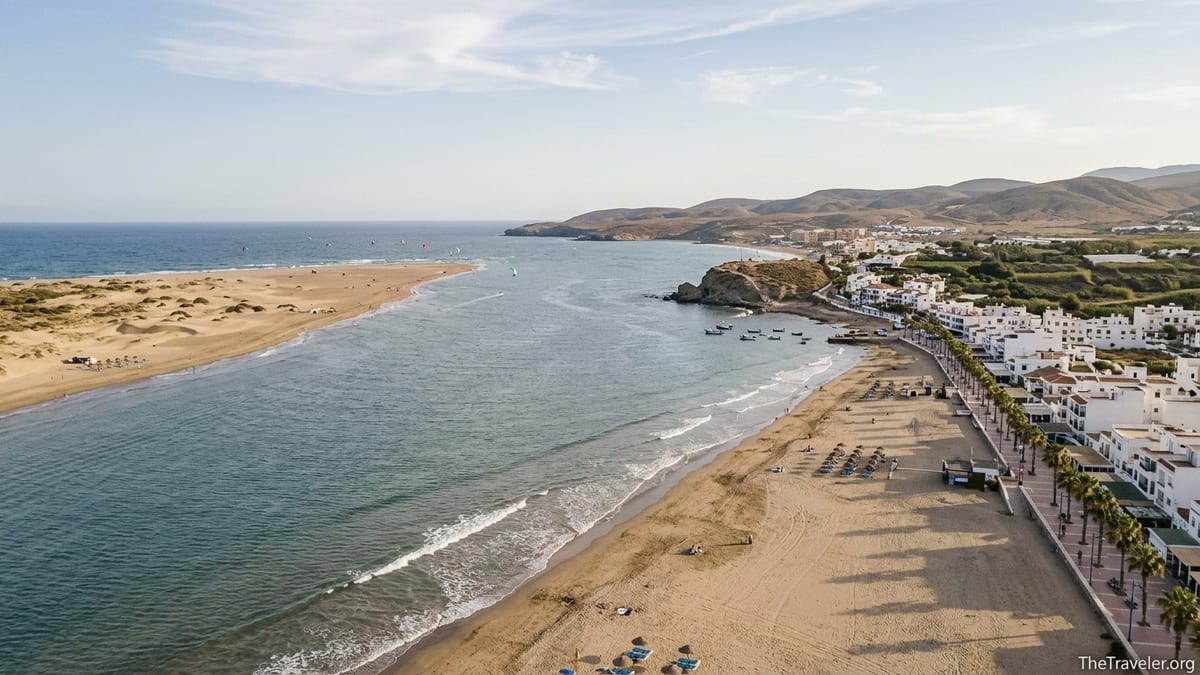
Costa del Sol: Big resorts, nightlife and easy family beaches
The Costa del Sol runs for roughly 150 kilometres between Manilva and Nerja and is the best known of southern Spain’s coasts. Much of this shoreline is built-up urban beach, with long promenades, mid and high-rise hotels and densely packed sun loungers in summer. Places like Torremolinos, Benalmádena, Fuengirola and central Marbella feel like classic Mediterranean resorts, where you can step from a seafront apartment or hotel directly onto the sand and find beach bars, mini-markets and pharmacies within a few minutes’ walk.
For families, the main appeal of the Costa del Sol is convenience. Beaches such as Playa de la Carihuela in Torremolinos or Playa de la Malagueta in Málaga city typically have lifeguards in season, gentle shelving sand and playgrounds close to the promenade. Day beds and umbrellas usually cost in the region of 12 to 18 euros for two loungers and a parasol in high season, and most chiringuitos serve children’s menus, grilled fish and salads all day. The region’s strong transport links also help: Málaga Airport sits in the middle of the coast, and commuter trains run from the terminal to resorts as far as Fuengirola, which means many visitors do not need a car.
Nightlife is concentrated in pockets rather than on every beach. In Marbella and nearby Puerto Banús, the party scene revolves around day clubs and beach clubs rather than the public sand itself, with pool parties, bottle service and DJ sets in high summer. Torremolinos and Benalmádena keep a long-standing reputation for late bars and clubs that attract a younger international crowd. In contrast, low-key former fishing villages such as La Cala de Mijas or Estepona have a softer atmosphere in the evenings, with tapas bars and ice-cream kiosks instead of thumping music.
One trade-off on the Costa del Sol is that genuinely quiet or wild feeling beaches are rare. Even the smaller bays near Nerja, such as Playa de Burriana or Playa de Maro, see significant summer crowds and paid parking. For travellers who value long, empty horizons, it can be worth considering one of the other coasts. For those who want a ready-made resort with everything at their doorstep, Costa del Sol remains the most straightforward option.
Costa de la Luz: Wide Atlantic sands and quieter resort towns
The Costa de la Luz traces the Atlantic edge of Andalusia through the provinces of Cádiz and Huelva, from Tarifa at the southern tip up to the Portuguese border near Ayamonte. Its name, Coast of Light, suits the long, open beaches and big skies that feel quite different from the enclosed Mediterranean coves of the Costa del Sol. Outside a few built-up pockets, this coast is defined by wide dune-backed sands and low-rise development, which makes it particularly attractive to travellers who want space and a more natural setting.
In Cádiz province, beaches such as La Barrosa at Chiclana, Playa de Zahara de los Atunes and Playa de Bolonia near Tarifa stretch for kilometres with soft golden sand and Atlantic waves. Even in peak August it is usually possible to walk along the shore and find quieter sections away from the main car parks and beach bars. Towns like Conil de la Frontera, El Palmar or Zahora still have a laid-back, surf-town feel. Many visitors stay in modest guesthouses or small apartment complexes a short walk from the water, often paying less per night than at equivalent properties on the Costa del Sol, although prices climb sharply in late July and August.
Huelva’s portion of the Costa de la Luz is even quieter in parts. Beaches such as Matalascañas, Mazagón or the long stretch around El Portil and Nuevo Portil are popular with Spanish families but remain comparatively low-key compared with Málaga’s resorts. Several stretches sit next to protected areas, including the marshes of Doñana, so the impression can be of almost endless dunes and pine forest with very little concrete in sight. Services are still present in season, from lifeguards to simple seafood restaurants, but nightlife tends to be limited to evening strolls, terrace bars and summer ferias in the larger towns.
For families, the key consideration on the Costa de la Luz is that the Atlantic can bring stronger winds and waves than the Mediterranean coasts. On many days the surf is gentle enough for paddling and beginner bodyboarding, but at times red flags go up and swimming is restricted. For couples, on the other hand, the big sunsets, horse riding on the sand near Doñana, and romantic dinners in old towns like Vejer de la Frontera or Sanlúcar de Barrameda make this one of southern Spain’s most atmospheric choices.
Costa Tropical: Compact coast between mountains and sea
The Costa Tropical, also known as Costa Granadina, is a shorter stretch of coastline in Granada province, broadly between La Herradura and La Rábita. It sits only about 70 kilometres south of Granada city, with fast motorway access that has made it a weekend and holiday escape for residents of the interior. Compared with the Costa del Sol or Costa de la Luz, this coast feels more compact, with a mix of pebble and dark sand beaches framed by steep hillsides, subtropical crops and small towns.
Key resort towns include Almuñécar, Salobreña and Motril’s Playa Granada. In Almuñécar, beaches such as San Cristóbal, Velilla and Puerta del Mar run along the town, giving easy access to hotels, apartments and beach bars. Salobreña is known for its whitewashed hilltop old town and castle, which look down on long beaches like Playa de la Charca and Playa del Peñón, where the sand is darker and a little coarser than on the Costa del Sol. Motril’s Poniente and Playa Granada areas combine broad beaches with a growing cluster of apartment resorts and a golf course, appealing to longer-stay visitors.
One of the Costa Tropical’s selling points is climate. Thanks to the shelter of the Sierra Nevada and its latitude, this coast markets itself as a place where you can swim in the sea in winter on milder days and potentially ski in the mountains within a two-hour drive on the same trip. Beach services are more limited outside the main summer months, but in July and August there are plenty of chiringuitos, water sports rentals and seasonal attractions such as small water parks. Prices for sunbed rentals and restaurant meals are often slightly below those in the busier parts of the Costa del Sol, with many local families from Granada taking advantage of short breaks at modest beachfront apartment complexes.
For travellers seeking quieter stays, smaller villages such as La Herradura, with its crescent-shaped bay popular with divers and kayakers, or Torrenueva Costa, with more residential development and fewer international visitors, can work well. Beaches here are rarely as empty as the wildest corners of Almería or Cádiz, but the overall feel is more low-key and Spanish than many parts of Málaga province. The trade-off is that sand can be pebbly and access to the sea can shelve more steeply, so it is worth bringing water shoes for children or anyone with mobility concerns.
Costa de Almería: Wild coves, desert landscapes and developing resorts
The Costa de Almería stretches along the southeastern corner of Spain and feels noticeably drier and more rugged than the other coasts. Large sections remain relatively undeveloped, especially around the Cabo de Gata–Níjar Natural Park, which is known for its volcanic headlands, arid hills and protected coves. Beaches such as Playa de Mónsul, Playa de los Genoveses, Cala del Plomo and Cala de Enmedio are often cited among the most beautiful unspoilt strands in mainland Spain, with minimal construction and a strong sense of wilderness.
Access to these wildest coves usually involves driving along rough tracks, using designated car parks that can fill early in high season, and sometimes walking for 10 to 30 minutes along paths or sand. Services are limited or absent once you reach the beach, so visitors typically bring their own water, snacks and shade. This makes them less practical for young families but very appealing to couples and independent travellers who value quiet, clear water and scenic surroundings. Outside July and August, it is still possible to find beaches with only a handful of people, especially on weekdays.
Where the coast does develop into more conventional resorts, such as Mojácar Playa, Roquetas de Mar or Aguadulce, the feel is closer to a smaller version of the Costa del Sol, with long promenades, apartment blocks and all-inclusive hotels. Prices for accommodation and restaurant meals in these towns can be competitive compared with Málaga province, especially outside the Spanish school holidays. Mojácar in particular has a split personality: a hillside old town a couple of kilometres inland with whitewashed houses and views, and a separate strip of beachfront hotels and bars that come alive in summer but still feel more relaxed than the busiest Costa del Sol resorts.
For travellers choosing Costa de Almería, the main considerations are transport and car use. Almería does have an airport, but many visitors arrive via Málaga or Alicante and then drive 2 to 3 hours. Public transport between smaller coastal villages is limited, and reaching the best coves of Cabo de Gata almost always requires a car or pre-arranged transfer. For those willing to drive and walk a little, the reward is a combination of desert scenery and coastline that remains less discovered than the other southern Spanish costas.
Sand quality, sea conditions and suitability for families
When comparing these four coasts, sand type and sea conditions play a major role in how family friendly each feels. The Costa del Sol is dominated by urban beaches with groomed sand that can be a mix of fine and slightly coarse grains, often darkened by natural minerals. The Mediterranean here is usually calm in summer, with small waves and shallow entry points, which works well for children and less confident swimmers. Lifeguard coverage is widespread in July and August, and facilities such as showers and toilets are common along the promenades.
On the Costa de la Luz, sand is typically finer and lighter in colour, and many beaches are remarkably wide, but the Atlantic brings more swell, currents and wind. In practice this means more days with surfable waves and occasional red-flag closures for swimming, particularly in winter and spring. Families who are used to the Atlantic, such as travellers from the UK or northern Spain, often welcome the extra space and the chance for older children to try bodyboarding or surfing lessons in towns like El Palmar. Those with toddlers or anyone nervous in the sea need to pay a little more attention to flags and local advice.
The Costa Tropical sits somewhere in between. Some beaches are sandy, but many are shingle or coarse sand with pebbles, which can be less comfortable for bare feet but often keeps the water clearer for snorkelling close to rocks. The Mediterranean sea here is generally calm in summer, although certain bays can have quicker drop-offs from shallow to deep water. For families, the practical solution is choosing town beaches that offer gentler entries and good facilities, such as parts of Almuñécar and Salobreña, and bringing beach shoes for children.
In Costa de Almería the contrast between wild coves and urban resorts is sharp. In places like Cabo de Gata, beaches range from soft sand to volcanic pebbles, and access might involve walking over uneven ground, which can be difficult with pushchairs. Urban resorts such as Roquetas de Mar, Vera Playa and Mojácar have long, mostly sandy beaches with services and lifeguards in season. Families who prefer simple logistics may want to base themselves in these towns and take day trips by car to more scenic wild beaches on days when everyone feels up to a walk.
Resorts, nightlife, couples breaks and quieter towns
For travellers prioritising nightlife, the most obvious choice is the Costa del Sol. Marbella, Puerto Banús, Torremolinos and Benalmádena together offer a dense concentration of beach clubs, cocktail bars, live music venues and late-opening clubs. Summer weekends can feel like a continuous party, particularly in July and August, and it is common for groups of friends to plan short breaks built around specific venues and events. Málaga city adds a more urban nightlife option, with rooftop bars, contemporary restaurants and cultural attractions that can fill day and night itineraries.
The Costa de la Luz has nightlife in the sense of evening life rather than clubbing. Towns like Conil, Tarifa and Zahara de los Atunes fill with beach bars, simple nightspots and live music in season, but the mood is more about sunset drinks and late dinners than high-budget clubbing. Tarifa in particular draws a mix of windsurfers and kitesurfers, which keeps the atmosphere young and bohemian. Couples looking for relaxed evenings, with the option of a few lively bars but quiet streets a block or two inland, often gravitate to this coast, especially in late May, June or September when Spanish school holidays have not yet filled every room.
On the Costa Tropical, evenings tend to revolve around seafront promenades, tapas bars and local festivals. There are a few clubs in Almuñécar and a modest bar scene in Salobreña and Motril, but visitors rarely choose this coast primarily for nightlife. It suits couples who want a slower pace, perhaps combining days on the beach with trips to Granada, the Alpujarras or local hiking routes, and families who prefer apartment stays with a short walk to the sea. Quieter towns and residential developments, such as some parts of Torrenueva Costa or smaller villages east of Motril, remain relatively calm even in August.
Costa de Almería offers both lively strips and some of the quietest coastal villages in southern Spain. Mojácar and Roquetas have a good selection of beach bars and summer nightlife, though on a smaller scale than Málaga province. In contrast, villages within or on the edge of Cabo de Gata, such as San José, Las Negras or Agua Amarga, keep a tranquil, almost island-like feel outside peak weeks. Many restaurants here focus on simple local fish and Mediterranean cooking, and evenings are often spent sitting on terraces under clear, starry skies rather than chasing late-night venues.
Beach accommodation and budget considerations
Across all four coasts, visitors can choose between hotels, self-catering apartments and, in some cases, campsites and rural guesthouses. The Costa del Sol generally commands the highest average prices, especially in front-line properties in Marbella, Puerto Banús and the most central parts of Málaga city. A modern double room in a mid-range hotel near the beach in high summer can cost significantly more than on the other coasts, and private apartment rentals within a short walk of the sea book out months in advance for late July and August.
On the Costa de la Luz, especially in Cádiz and Huelva provinces outside the most fashionable hotspots, nightly rates are often more moderate, though they still spike in August. Many Spanish families return year after year to the same apartment blocks or holiday villages near beaches like La Barrosa, Costa Ballena or Isla Canela. Modest hotels and guesthouses in towns such as Conil or Rota can offer good value in June and September, when weather is still warm but demand is lower. Travellers willing to stay a short drive from the sea, in inland white villages, can sometimes find significantly cheaper accommodation while still reaching the beach in 15 to 20 minutes.
The Costa Tropical remains comparatively affordable. Beachfront apartment complexes around Playa Granada, Salobreña and parts of Almuñécar cater to families and groups who prefer self-catering, and many properties are owned by residents of inland cities who rent them out when not using them. A week in a two-bedroom apartment can work out economical for families compared with separate hotel rooms on the Costa del Sol. Rural guesthouses in the hills just inland also appeal to couples who want views of both mountains and sea and are happy to drive to the beach.
In Costa de Almería, prices vary sharply between wild areas and consolidated resorts. Holiday packages and all-inclusive hotels in Roquetas or Mojácar can be cost-effective outside Spanish school holidays, partly because these areas are still developing their international profile. On the other hand, small boutique hotels and apartments in coveted coastal villages inside Cabo de Gata, such as Agua Amarga or Rodalquilar, can command premium rates, especially in high season, due to limited supply and high demand from Spanish visitors. Travellers on a tighter budget sometimes choose to stay in Almería city or in less touristy inland towns and drive to the beaches.
The Takeaway
For travellers choosing between southern Spain’s main coasts, the decision often comes down to priorities. Those who want easy logistics, big resort infrastructure, plenty of nightlife and reliably calm swimming conditions generally find the Costa del Sol the most straightforward match. Families who value flat promenades, playgrounds and car-free access to the beach may particularly appreciate Málaga’s urban strands and the string of classic resorts between Torremolinos and Fuengirola.
If wide, open sands, sunsets over the Atlantic and a more natural setting are higher on the wish list, the Costa de la Luz stands out. It delivers long, dune-backed beaches, less dense development and relaxed surf-town atmospheres, though at the cost of occasionally rougher seas and more wind. Couples and independent travellers who like the idea of combining beach days with visits to Cádiz, Jerez or white villages such as Vejer often gravitate here.
Travellers looking for a more compact, local-feeling coast, with the option to combine sea and mountains, may find the Costa Tropical appealing. Its small towns, shingle beaches and subtropical crops create a different mood from the more built-up Costa del Sol, while still offering enough services for comfortable family or couples’ holidays. For the wildest landscapes and quietest coves, especially outside peak weeks, Costa de Almería and the protected shores of Cabo de Gata are compelling, provided visitors are prepared to drive, walk and occasionally forgo on-beach amenities.
In practice, all four coasts share warm summers, a long swimming season and a strong food culture anchored in local seafood and Andalusian dishes. The best approach is to match the character of each coast to your travel style, whether that means sunrise runs along urban promenades, afternoons in empty dune systems, snorkelling in rocky coves or late nights at beach clubs. With that alignment, southern Spain’s beaches become not just a backdrop, but the defining pleasure of the trip.
FAQ
Q1. Which coast in southern Spain is best for families with young children
The Costa del Sol is often the easiest with young children, thanks to calm Mediterranean waters, plentiful lifeguards in season and many resorts that sit directly on gently shelving town beaches.
Q2. Where can I find the quietest beaches with few buildings
For wide, largely undeveloped sands, look at the Costa de la Luz in Cádiz and Huelva or the protected areas around Cabo de Gata in Costa de Almería, where construction is limited and dunes or cliffs dominate the backdrop.
Q3. Which coast has the best nightlife
The most intense nightlife is on the Costa del Sol, particularly around Marbella, Puerto Banús, Torremolinos and Benalmádena, where beach clubs, bars and nightclubs operate late into the night in high season.
Q4. Are there good options for couples seeking a romantic, low-key beach break
Yes, couples often enjoy the Costa de la Luz for its sunsets and relaxed beach towns, the Costa Tropical for its small-scale resorts and easy access to Granada, or Costa de Almería’s villages in and around Cabo de Gata for quieter evenings.
Q5. Do I need a car on these coasts
On the Costa del Sol it is possible to manage without a car thanks to trains and buses between major resorts, while on the Costa de la Luz, Costa Tropical and especially Costa de Almería a car makes it much easier to reach quieter beaches and small towns.
Q6. Which coast is most budget friendly
Average prices vary by season, but many travellers find the Costa Tropical and parts of Costa de Almería and the Costa de la Luz slightly more budget friendly than the Costa del Sol, especially for self-catering apartments away from prime hotspots.
Q7. What is the main difference between the Atlantic and Mediterranean coasts
The Atlantic Costa de la Luz usually has wider, lighter sands, stronger winds and more waves, while the Mediterranean coasts of the Costa del Sol, Costa Tropical and much of Costa de Almería tend to have calmer seas and, in many places, more developed promenades.
Q8. Are there sandy beaches on the Costa Tropical and Costa de Almería
Yes, both coasts include sandy beaches, especially in urban resort areas, but they also feature many shingle or coarse-sand strands, so visitors who prefer fine sand may want to research specific towns and beaches in advance.
Q9. When is the best time to visit for fewer crowds but good weather
Late May, June, September and early October often offer warm sea temperatures and plenty of sunshine with fewer crowds than in late July and August, particularly on the Costa de la Luz and Costa de Almería.
Q10. Which coast is best if I want to combine beach time with cultural sightseeing
All four coasts offer cultural excursions, but the Costa del Sol and Costa Tropical make it particularly easy to combine beach days with visits to cities like Málaga and Granada, while the Costa de la Luz pairs well with Cádiz, Jerez and inland white villages.