


Planning a trip to central Spain often starts with one big question: how much will it actually cost once you land in Madrid or Toledo and start moving around? Prices in Spain are generally lower than in many parts of Western Europe, but there are sharp differences between a budget backpacking trip and a comfortable mid range or higher end holiday. This guide brings together current sample prices from Madrid, Toledo, Segovia, Ávila and nearby areas to help you build a realistic budget for hotels, trains, rental cars, restaurants and daily spending.
What "Central Spain" Typically Includes
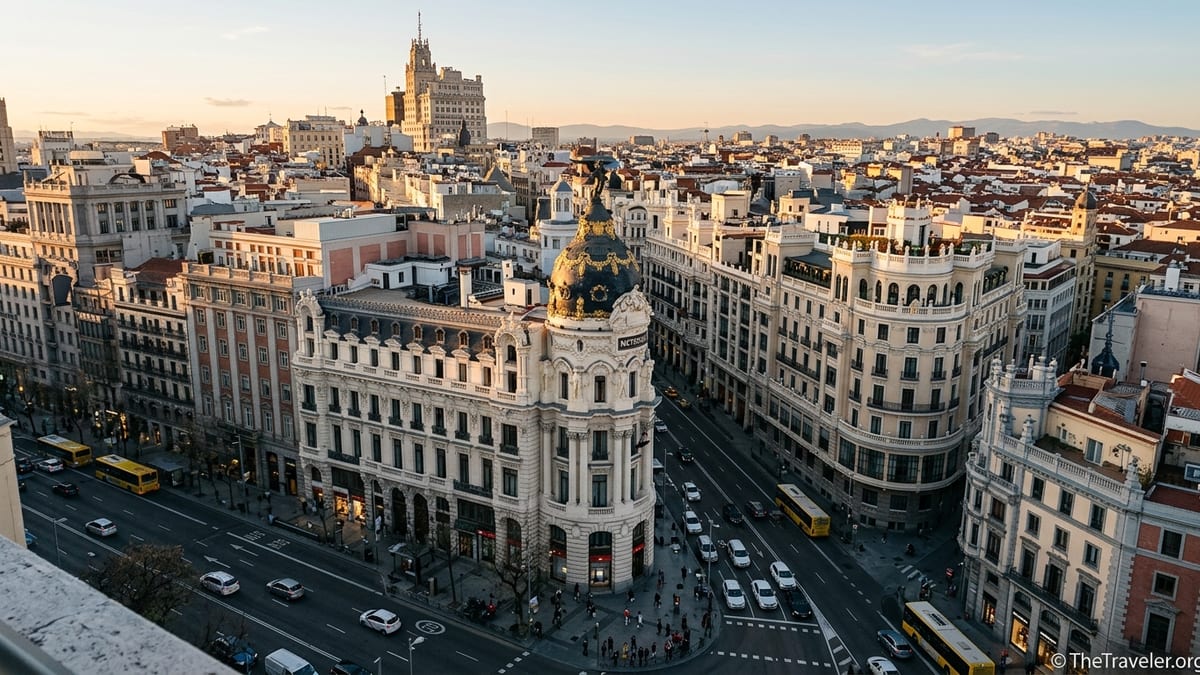
When travelers talk about central Spain, they usually mean Madrid and the historic cities within easy train or driving distance. The core includes Madrid itself, plus Toledo, Segovia and Ávila, with some itineraries stretching to Cuenca or inland wine regions like Ribera del Duero. All of these are well connected by rail or road and can be combined into a one or two week trip without long transit days.
Madrid is usually the most expensive stop in terms of hotels and restaurant dining, similar in price to other major European capitals but often still cheaper than Paris or London. Once you step into smaller cities like Segovia or Ávila, you can find gentler prices on accommodation and food, especially outside the busiest holiday and festival dates. However, central Spain is not a rock bottom destination. Coffee and tapas are affordable, but central neighborhoods and famous sights are priced for international visitors.
This guide assumes you are traveling independently and booking standard options like city center hotels, national rail tickets, mainstream car rental brands and widely available tours. Ultra luxury stays, private drivers and bespoke experiences can increase budgets substantially, while slow travel with monthly rentals can reduce costs per day. The numbers below are rounded ranges based on recent price checks and common patterns rather than fixed tariffs.
Typical Daily Budgets: Budget, Mid Range and Higher End
For a budget trip in central Spain, a solo traveler staying in hostel dorms or the cheapest guesthouses, using regional trains or buses and eating mostly in casual tapas bars can often get by on roughly 70 to 110 euros per day. That range might break down as about 25 to 40 euros for a bed in a decent Madrid hostel, 15 to 25 euros for local transport and occasional intercity trains, and 25 to 35 euros for food and basic sightseeing. Sharing private rooms lowers costs per person for couples or friends.
A comfortable mid range budget for most visitors falls around 130 to 220 euros per person per day, depending on how many museum tickets, day trips and restaurant meals are included. In Madrid that could mean around 120 to 170 euros for a central three star or four star hotel room for two, 10 to 20 euros per person for metro and buses, 30 to 50 euros per person for meals and drinks, and 20 to 40 euros per person on attractions, guided tours or a high speed train to Segovia or Toledo.
For higher end travelers who want central four star or five star hotels, some fine dining and a mix of private and small group tours, daily costs can rise to roughly 250 to 450 euros per person. A classic example would be a five star hotel in central Madrid starting around 280 to 450 euros per night for a double room, lunch in a good sit down restaurant for about 30 to 45 euros per person with wine, dinner in a Michelin listed venue from roughly 80 to 150 euros per person, and at least 60 to 150 euros per person for guided experiences or day trips with hotel pickup.
Hotel and Accommodation Costs in Central Spain
Accommodation will usually be your single biggest cost, especially in Madrid. In the capital, basic hostel dorm beds in central neighborhoods like La Latina, Malasaña or Lavapiés often run around 20 to 35 euros per night in low or shoulder season, and closer to 30 to 45 euros in peak periods like May, September or major event weeks. Simple private rooms in modest pensions just off Gran Vía or near Puerta del Sol might start around 70 to 110 euros per night for two people.
For mid range comfort, expect many well rated three star hotels in central Madrid to fall around 110 to 170 euros per night for a double room in most months, with four star business and boutique properties typically between 150 and 230 euros. Prices climb for weekend nights and major events such as football matches or big concerts. A polished four star hotel near the Prado or in the Salamanca district can reach closer to 200 to 280 euros in busier periods.
Outside Madrid, prices generally soften. In Toledo, it is still possible to find charming guesthouses within the old city walls from about 80 to 130 euros per night for a double room, and higher end historic hotels or paradores can start around 150 to 250 euros depending on the season. In Segovia and Ávila, a comfortable centrally located three star hotel might fall in the 90 to 140 euro range, with more atmospheric boutique or historic properties rising to roughly 150 to 220 euros per night.
Vacation rentals add another option. City center apartments in Madrid suitable for two to four people frequently range between 120 and 220 euros per night, depending on location and size, while apartments in Toledo or Segovia can be found closer to 80 to 160 euros. Cleaning fees and minimum stay rules can affect the per night cost, so it is important to look at the full price for your dates rather than headline nightly rates.
Trains, Buses and Getting Around
Central Spain is very well connected by rail, especially high speed and regional trains from Madrid. Advance purchase tickets on the high speed line from Madrid to Toledo, for instance, often land in the 15 to 30 euro range each way in standard class, with a journey time of about 30 minutes from Madrid Puerta de Atocha. Madrid to Segovia on a high speed service can be similar, typically around 15 to 35 euros each way. Prices vary with how early you book, the time of day and any ongoing promotions.
Slower regional trains and buses can save money for very tight budgets, at the cost of more travel time. For example, a bus from Madrid to Segovia, operating from one of the city bus terminals, may frequently fall around 8 to 15 euros each way and take roughly 1 hour and 20 minutes instead of half an hour on the fastest train. Similarly, buses to Ávila often sit in the 8 to 15 euro bracket one way, while regional trains connecting Madrid and Ávila can be in the 10 to 20 euro range.
Within Madrid, public transport remains relatively affordable. A typical single metro or bus ticket in the central zones is often around 1.50 to 2 euros, and many visitors purchase a rechargeable transport card that reduces the per ride price or a tourist pass that can cost roughly 8 to 18 euros per day depending on zones and duration. Taxis from Madrid Barajas airport into the central districts are commonly charged at a flat rate close to 30 euros, while licensed ride hailing trips might be in a similar range depending on traffic.
Day to day local transport in smaller cities is cheaper. Many visitors will walk most of the time in compact old towns like Toledo or Segovia, occasionally using local buses that often cost around 1.20 to 1.50 euros per ride. Budget about 5 to 10 euros per day per person for local transport in those smaller cities, and 10 to 20 euros per day in Madrid depending on how much you rely on the metro and short taxi rides.
Rental Cars, Fuel and Parking
While you can visit most of central Spain comfortably by train and bus, some travelers prefer the flexibility of a rental car, especially for exploring smaller villages or rural wine regions. At Madrid Barajas airport and in city locations, compact manual cars from major international brands often start around 30 to 60 euros per day in low and shoulder seasons when booked in advance, rising to roughly 60 to 90 euros per day or more in peak summer or during holidays. Automatic transmission cars typically carry a supplement of about 10 to 25 euros per day.
Insurance and extras can significantly affect the final rate. Many agencies advertise low base prices and then add fees for full coverage, additional drivers, GPS units or infant seats. Full protection coverage purchased directly through the rental agency might add 15 to 30 euros per day, though some travelers rely on their credit card collision coverage instead. Fuel prices in Spain fluctuate, but recent petrol costs often sit in a band that might translate to about 1.60 to 1.90 euros per liter, so a typical compact car doing a day trip loop of 250 kilometers might use roughly 25 to 35 euros of fuel depending on consumption.
Parking is another expense to factor in, particularly in Madrid and inside walled historic centers like Toledo or Segovia. Central Madrid hotels sometimes charge 20 to 30 euros per night for on site parking. Public underground car parks in central areas may run around 2 to 3.50 euros per hour, with a daily cap that can easily reach 25 to 35 euros. By contrast, public or private parking just outside the most historic zones can be cheaper, with daily rates often closer to 10 to 18 euros, plus a short walk or local bus ride into the center.
In smaller cities, many visitors choose to park in lots at the edge of the old town and walk in. In Toledo, for example, several multi level car parks near the escalators that rise to the historic quarter can cost in the ballpark of 15 to 20 euros for a full day. When staying the night in places like Ávila or Segovia, look for hotels that either include parking or charge a modest fee such as 8 to 15 euros per night, especially if you plan to use the car as a base for nearby day trips.
Restaurants, Tapas and Everyday Food Costs
Food in central Spain can be very good value if you lean into local habits. At the budget level, breakfast at a neighborhood bar in Madrid might consist of a coffee and a toasted baguette with tomato and olive oil for around 3 to 5 euros. A quick lunch could be a sandwich or a slice of tortilla española for 4 to 8 euros. Many tapas bars still offer small plates around 3 to 5 euros each, and in some places you might receive a simple tapa with each drink at no extra charge.
One of the best deals is the traditional menú del día, a set price lunch menu common on weekdays. In central Madrid or Toledo, these menus often cost around 12 to 18 euros and include a first course, main course, dessert or coffee, bread and sometimes a drink. Choosing menú del día for your main meal and then keeping dinner light with a couple of tapas can help hold daily food costs to roughly 20 to 35 euros per person for budget travelers.
Mid range diners who want to sit down for both lunch and dinner in comfortable restaurants should expect to spend around 30 to 50 euros per person per day on food, excluding extravagant wine orders. A typical dinner at a mid range place in Madrid might cost 18 to 30 euros per person for a main course and shared starters, plus 3 to 6 euros per glass of wine or beer. In smaller cities, similar meals might come in a few euros cheaper, although highly touristed old town streets can match Madrid prices.
Higher end restaurant experiences add up quickly. Dining at one of Madrid's well known traditional institutions or at a modern fine dining spot can easily run from 60 to 120 euros per person for a multi course meal, before premium wine. Tasting menus at Michelin starred restaurants may sit in a broad band from about 90 to 200 euros or more per person. For travelers mixing casual tapas nights with a couple of special dinners, a realistic overall food and drink budget might float around 45 to 80 euros per person per day.
Attractions, Tours and Cultural Experiences
Central Spain's star attractions are reasonably priced compared with some major European destinations, but costs add up on multi day trips. In Madrid, general admission to the Prado Museum often sits around 15 to 20 euros for adults, while the nearby Thyssen Bornemisza Museum charges a similar amount. The Reina Sofía Museum, home to Picasso's Guernica, also typically falls in the 10 to 15 euro range, with some free entry periods during specific evening hours that budget travelers can target.
In Toledo, access to major sites such as the cathedral and certain monasteries often involves tickets in the 10 to 15 euro range per attraction, although combination tickets and city passes are sometimes available at slightly reduced combined prices. Segovia's famous Roman aqueduct is free to view, but entrance to the Alcázar or the cathedral will usually cost around 7 to 15 euros. Ávila's medieval walls typically charge a modest fee of roughly 5 to 10 euros to walk the ramparts.
Guided walking tours provide context and can be relatively affordable. Standard group walking tours in Madrid often start around 15 to 25 euros per person for a couple of hours, with specialized food or history tours ranging more like 50 to 90 euros per person. In cities like Toledo or Segovia, shorter guided tours might cost around 15 to 30 euros per person. Full day group excursions from Madrid that package transport and guiding to places like Toledo, Segovia or Ávila usually run between 60 and 120 euros per person depending on inclusions.
More bespoke experiences, such as private guides, winery visits or hot air balloon rides over Segovia, increase trip costs markedly. A private guide for a half day in Madrid or Toledo might charge somewhere in the region of 150 to 300 euros for the group, not including museum tickets. A hot air balloon ride around Segovia can cost on the order of 150 to 220 euros per person. These higher ticket items are optional but should be factored into budgets for travelers seeking memorable splurges.
Putting It All Together: Sample Daily Spend Scenarios
To translate these prices into real daily budgets, consider a three night city break in Madrid for a solo budget traveler. Staying in a central hostel dorm at around 35 euros per night, using a daily public transport pass for about 10 euros, spending roughly 25 euros on food by sticking mostly to menú del día and tapas, and setting aside 20 euros per day for museum entries and the occasional bar or treat would result in a daily total of around 90 euros. A pair of travelers sharing a basic private room at about 90 euros per night could each spend closer to 80 euros per day including similar activities.
A mid range couple doing a week across Madrid, Toledo and Segovia might choose centrally located three star hotels averaging 140 euros per night, equating to 70 euros per person. Add 12 euros per person for local transport, 40 euros per person for food including a daily restaurant dinner, and an average of 25 euros per person per day for museums, cathedral entries and a couple of guided tours spread across the week. That setup would yield a daily budget of roughly 150 euros per person before shopping or unexpected extras.
For a higher end scenario, imagine two travelers spending five nights in Madrid in a four star hotel at 220 euros per night, plus two nights in Toledo at 180 euros per night. Accommodation would average about 115 euros per person per day across the week. If they plan for about 70 euros per person per day in food, including one or two fine dining dinners, 20 euros per person in local transport and taxis, and 40 euros per person on attractions and private or semi private tours, their realistic daily budget might land near 245 euros per person, not counting luxury shopping.
It is wise to add a small cushion on top of these estimates, perhaps 10 to 15 percent, to cover coffee stops, spontaneous tickets, souvenirs or small rate fluctuations. Exchange rates and seasonal demand can nudge prices up or down, but using these examples as a framework will give most travelers a reliable sense of what they can expect to spend in central Spain today.
The Takeaway
Central Spain offers strong value for travelers who plan ahead and align their expectations with current price levels. Madrid, Toledo, Segovia and Ávila remain cheaper than many major Western European capitals, but they are not bargain basement destinations, especially for prime location hotels and premium tours. Understanding what hostels, mid range hotels, trains, restaurant meals and attractions actually cost on the ground can help you avoid surprises.
For budget focused travelers, it is still very possible to experience the highlights of central Spain on roughly 70 to 110 euros per person per day if you rely on public transport, simple accommodation and everyday bars and cafés. Most visitors seeking comfortable private rooms and a mix of casual and sit down dining will find that 130 to 220 euros per person per day feels realistic. Those looking for upscale stays, plentiful taxis and high end experiences should expect to spend closer to 250 to 450 euros per person per day.
Whatever your budget bracket, booking rail tickets in advance where possible, avoiding the most expensive restaurant streets, and considering smaller but well located hotels rather than famous addresses will stretch your money further. With a clear sense of likely costs before you arrive, you can focus less on the numbers and more on Madrid's galleries, Toledo's hilltop skyline and Segovia's castle silhouettes once your trip begins.
FAQ
Q1. How much does a one week trip to central Spain typically cost per person?
For most travelers, a week in central Spain excluding flights might cost around 600 to 800 euros on a tight budget, 900 to 1,500 euros for a comfortable mid range stay, and 1,800 euros or more for higher end hotels and experiences.
Q2. Is Madrid much more expensive than Toledo or Segovia?
Madrid is usually noticeably pricier for hotels and some restaurants, but daily food and local transport can be similar. Accommodation in Toledo and Segovia often runs 20 to 40 percent cheaper than comparable central Madrid options.
Q3. How far in advance should I book trains in central Spain to get good prices?
Booking high speed trains at least a few weeks in advance often yields lower fares, especially on popular routes like Madrid to Toledo or Madrid to Segovia. Last minute tickets can be significantly more expensive at peak times.
Q4. Are rental cars worth it for visiting central Spain?
Rental cars are useful if you want to explore villages and countryside, but they add costs for parking and fuel, and can be cumbersome in city centers. For an itinerary focused on major cities, trains and buses are usually more convenient and often cheaper.
Q5. How much should I budget for food per day in central Spain?
Budget travelers who lean on café breakfasts and menú del día lunches can often manage on roughly 20 to 35 euros per day. Mid range visitors might plan for 30 to 50 euros, and those including fine dining could spend 60 to 100 euros per day.
Q6. Are museum and attraction tickets expensive in Madrid and nearby cities?
Most major museums and monuments in central Spain have entry fees in the 10 to 20 euro range. Visiting several in a day adds up, but overall they are moderate compared with some other European capitals.
Q7. What is a realistic daily budget for a backpacker in central Spain?
A backpacker staying in hostel dorms, using public transport and focusing on low cost food and occasional attractions should expect to spend roughly 70 to 100 euros per day, depending on the season and how often they visit paid sights.
Q8. How much do airport transfers cost in Madrid?
A licensed taxi between Madrid Barajas airport and central districts usually follows a flat rate around 30 euros. Public transport alternatives using the metro or airport bus can bring the cost down to roughly 5 to 10 euros per person.
Q9. Do I need to tip in restaurants and on tours in central Spain?
Tipping is not as obligatory as in some countries. Locals often leave small change or around 5 to 10 percent for good service in restaurants. For guided tours, many visitors offer a modest tip if they enjoyed the experience, but it is not strictly required.
Q10. How much extra should I allow in my budget for shopping and small extras?
A comfortable buffer for most travelers is around 10 to 25 euros per day for coffee breaks, snacks, souvenirs and price fluctuations. Serious shoppers looking for fashion or wine should add more according to their habits.